If your Keurig K-Mini is brewing coffee that tastes off, it can be frustrating. Often, simple maintenance or troubleshooting can restore your coffee’s flavor. This guide walks you through common causes of bad-tasting coffee and practical fixes to improve your brew quality.

Get kitchen gear delivered free with Prime
- Fast, free delivery on millions of items
- Prime Video, Amazon Music and more included
- Member-only deals all year
Follow these step-by-step instructions to identify issues and keep your Keurig functioning at its best, ensuring every cup is fresh and delicious.
Key Takeaways
| Regular cleaning is essential | Mineral buildup and residue cause bad taste. |
| Use fresh, filtered water | Impurities affect flavor and machine performance. |
| Descale periodically | Mineral deposits impact taste and brewing efficiency. |
| Check for mold or moldy parts | Mold can contaminate coffee and cause off-flavors. |
Step 1: Clean the Machine
- Unplug your Keurig K-Mini before cleaning.
- Remove the water reservoir and drip tray, and wash with warm, soapy water.
- Use a damp cloth to wipe the exterior and the brew head.
Step 2: Descale Your Keurig
- Fill the water reservoir with a descaling solution or white vinegar mixed with water (1:1 ratio).
- Run a brew cycle without a K-Cup, discard the liquid.
- Repeat until the reservoir is empty, then rinse with fresh water to clear residual vinegar or descaler.
Step 3: Use Fresh, Filtered Water
Always fill your Keurig with fresh, filtered water to prevent mineral buildup and improve flavor. Avoid using tap water if it has a high mineral content.
Step 4: Check and Replace the Water Filter
If your model has a water filter, replace it every 2-3 months or as recommended to maintain water quality and flavor.
Additional Tips & Warnings
- Never use flavored or overly old coffee grounds in the reusable filter.
- Ensure the brew head and needle are free of clogs or blockages.
- Regularly clean the inside of the machine to prevent mold growth.
The Products in This Guide
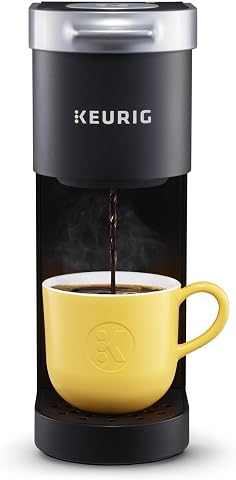
Keurig K-Mini Single Serve K-Cup Pod Coffee Maker
- ✔ Capacity: 6-12oz
- ✔ Dimensions: Less than 5 inches wide
- ✔ Material: Matte finish
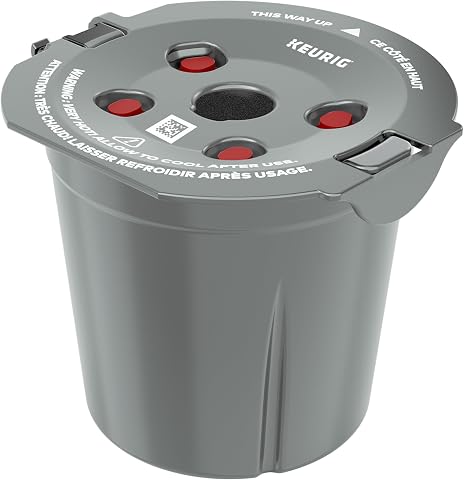
My K-Cup® Reusable Coffee Filter
- ✔ Material: BPA-free plastic
- ✔ Capacity: Single serve
- ✔ Compatibility: Keurig K-Mini
Keurig K-Mini Single Serve K-Cup Pod Coffee Maker
The Keurig K-Mini is a compact, efficient single-serve coffee maker perfect for small spaces. Regular maintenance can prevent bad-tasting coffee and ensure fresh brews every time.
Pros:
- Space-saving design
- Fast brewing
- Removable drip tray
- Compatible with reusable filters
Cons:
- Limited water reservoir
- No auto-start feature
- Less suitable for frequent large batches
Best for: Small kitchens, offices, and dorms
Not ideal for: Heavy daily use or large volume brewing
Bottom line: A compact, reliable coffee maker that benefits from regular cleaning.
My K-Cup® Reusable Coffee Filter
The My K-Cup® Reusable Coffee Filter allows you to brew your favorite ground coffee, enhancing flavor and reducing waste. Compatible with your Keurig K-Mini, it’s a practical upgrade for better-tasting coffee.
Pros:
- Cost-effective
- Customizable strength
- Eco-friendly
- Easy to clean
Cons:
- Requires ground coffee prep
- Slightly more cleanup
- May need initial adjustment
Best for: Coffee enthusiasts wanting control over flavor
Not ideal for: Quick single-serve K-Cup convenience
Bottom line: A valuable accessory for brewing fresh, ground coffee easily.
Frequently Asked Questions
Why does my Keurig coffee taste bad even after cleaning?
Mineral buildup or mold can cause off-flavors. Regular descaling and cleaning with proper solutions help restore taste.
How often should I descale my Keurig?
Descale every 3-6 months, depending on water hardness and usage, to prevent mineral buildup.
Can using tap water affect the taste?
Yes, tap water with high mineral content can affect flavor. Using filtered or bottled water is recommended.
What if cleaning doesn’t improve the taste?
Check for mold, replace the water filter, and ensure the brew head and needle are clear of clogs. Consider replacing the reusable filter if used.
Keep Your Coffee Fresh and Flavorful
Regular cleaning, descaling, and using fresh water are key to maintaining great-tasting coffee with your Keurig K-Mini. With simple maintenance steps, you can enjoy delicious brews every time and extend your machine’s lifespan.
Affiliate disclosure: As an Amazon Associate we earn from qualifying purchases. Prices and availability are accurate as of the time of publishing.
Halloween Picks
halloween
As an affiliate, we earn on qualifying purchases.