Including accessibility in every smart kitchen conversation guarantees everyone can comfortably and independently operate appliances, regardless of physical ability. Voice controls and ergonomic designs make tasks easier when multitasking or hands are full, while assistive technologies support diverse needs. Prioritizing accessibility creates a more inclusive, user-friendly environment that benefits all users. If you keep exploring, you’ll discover how thoughtful design and innovative features can make your smart kitchen truly accessible for everyone.

Get kitchen gear delivered free — and shop member deals
- Fast, free delivery on millions of items
- Access to Prime Big Deal Days deals on October 6–7
- Prime Video, Amazon Music and more included
Key Takeaways
- Accessibility features ensure smart kitchens serve users of all abilities, promoting inclusivity and independence.
- Voice control and ergonomic design make appliance operation easier for individuals with mobility challenges.
- Incorporating accessibility fosters a more user-friendly environment benefiting everyone, regardless of physical ability.
- Assistive technologies enhance functionality and adaptability, creating smarter, more inclusive kitchen spaces.
- Prioritizing accessibility in conversations supports innovative, equitable kitchen designs aligned with universal principles.
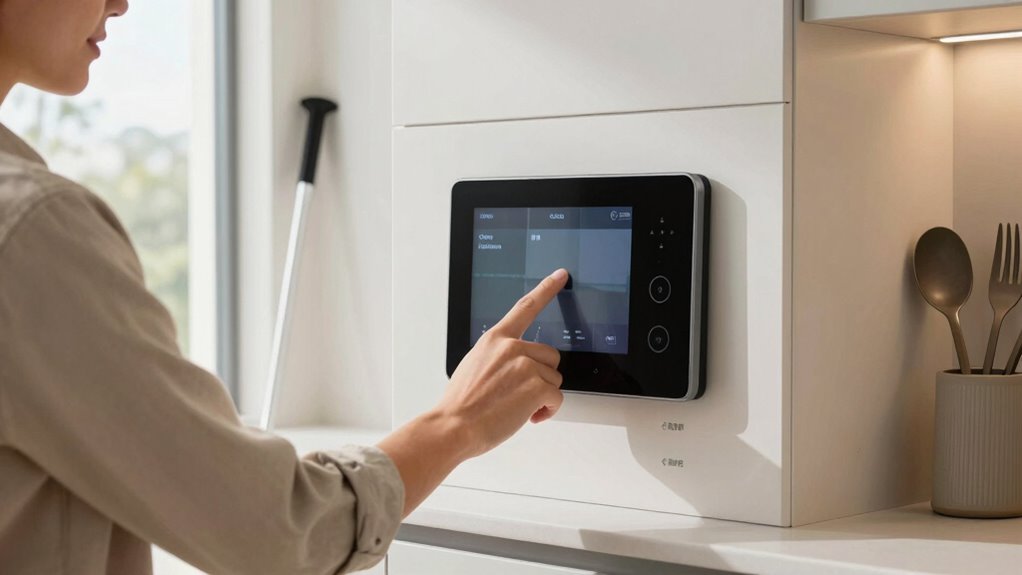
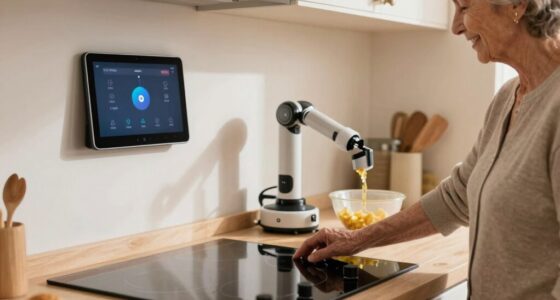
Have you ever wondered how smart kitchens are becoming more inclusive for everyone? As technology advances, developers and designers are focusing on making these spaces accessible to people of all ages and abilities. You might be surprised to learn that features like voice control and ergonomic design play essential roles in creating kitchens that truly serve everyone. Voice control, in particular, transforms the way you interact with kitchen appliances. Instead of fumbling with buttons or touchscreens, you can simply speak commands to turn on the stove, adjust the lighting, or start the coffee maker. This technology not only benefits those with mobility challenges but also makes cooking more convenient for everyone, especially when your hands are full or you’re managing multiple tasks. Voice control removes physical barriers, empowering you to operate your kitchen seamlessly and independently. Incorporating accessibility features such as voice control and ergonomic design is vital in making smart kitchens truly inclusive for all users. Additionally, designing with universal design principles ensures that the kitchen remains functional and comfortable for a diverse range of users, regardless of their physical abilities. Moreover, integrating assistive technologies can further enhance the experience for users with specific needs, making the kitchen a truly adaptable space. Embracing these innovations can also lead to more user-friendly environments that benefit everyone, not just those with specific disabilities.
Frequently Asked Questions
How Does Accessibility Impact Smart Kitchen Device Pricing?
Accessibility impacts smart kitchen device pricing by increasing the cost implications due to specialized features like voice control or adjustable interfaces. However, as market demand for inclusive technology grows, manufacturers can achieve economies of scale, potentially lowering prices over time. Your focus on accessible devices encourages innovation, making smart kitchens more affordable and welcoming for everyone, ultimately fostering a broader adoption of inclusive smart home solutions.
Are There Specific Brands Known for Accessible Smart Kitchen Products?
Some brands stand out for their accessible smart kitchen products, making your cooking experience revolutionary. Companies like Amazon with Alexa-enabled devices and Google with Nest Hub prioritize voice control, making them perfect for those with limited mobility. They also emphasize ergonomic design, ensuring ease of use. These brands are transforming kitchens into inclusive spaces where everyone can effortlessly control appliances, turning everyday tasks into simple, enjoyable activities.
Can Existing Smart Kitchens Be Easily Adapted for Accessibility?
Yes, existing smart kitchens can often be adapted for accessibility by adding voice control features and focusing on ergonomic design. You can install voice-activated devices to operate appliances hands-free, making tasks easier. Additionally, adjusting the layout or choosing ergonomic tools can reduce strain and improve safety. These modifications help create a more inclusive kitchen, ensuring everyone can cook comfortably and independently, regardless of physical ability.
What Training Is Available for Users With Disabilities?
Did you know that only 20% of accessible design tools are widely used? You can find training programs focused on inclusive technology and accessible design, tailored for users with disabilities. These courses teach you how to operate smart kitchen devices effectively, ensuring independence and safety. Many organizations offer online workshops, tutorials, and certifications, making it easier for you to learn how to maximize your smart kitchen’s accessibility features and integrate inclusive technology into daily routines.
How Does Accessibility Influence Smart Kitchen Security?
Accessibility markedly improves smart kitchen security by integrating voice recognition, allowing you to control devices hands-free and restrict unauthorized access. Tactile feedback ensures users with visual impairments can navigate and verify settings confidently. These features make your smart kitchen safer and more inclusive, preventing accidental or malicious use. Embracing accessibility not only protects your space but also guarantees everyone, regardless of ability, can operate and secure the kitchen effectively.
Conclusion
When accessibility is part of every smart kitchen conversation, you guarantee inclusivity, empower independence, and promote safety for all users. You recognize the importance of thoughtful design, embrace innovation that serves everyone, and create a space where everyone feels welcome. You make accessibility a priority, not an afterthought. You build a kitchen that adapts, assists, and respects every individual’s needs. Because when accessibility is integrated, everyone benefits, everyone thrives, and everyone enjoys the full potential of a truly smart kitchen.
Fall Picks
fall essentials
As an affiliate, we earn on qualifying purchases.