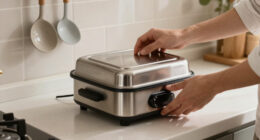
To roast your own beans at home, you can use gadgets like dedicated coffee roasters that offer precise control or versatile options like stovetop popcorn poppers and oven roasting. Some machines come with built-in fans and thermostats to monitor temperature and guarantee even roasting. Ventilation is key to avoid smoke, and quick cooling methods lock in flavor. Keep experimenting with settings—there’s plenty more to discover for your perfect brew.
Key Takeaways
- Dedicated home coffee roasters provide precise control over roast level and heat for consistent results.
- Stovetop popcorn poppers are affordable, manual gadgets suitable for small-scale home roasting.
- Electric drum roasters and fluid bed machines offer automatic, even roasting with adjustable settings.
- Thermometers and smartphone apps help monitor temperature and timing for perfect roast levels.
- Proper ventilation equipment, like exhaust fans or outdoor setups, ensures safe roasting with minimal smoke.

Roasting your own coffee at home can be both rewarding and cost-effective, giving you fresh, customizable beans right from the comfort of your kitchen. When you roast your own beans, you unlock the benefits of fresh coffee—more vibrant flavors, better aroma, and a richer overall experience. Unlike store-bought options that may sit on shelves for weeks, homemade roasted coffee is at its peak freshness, ensuring each cup you brew is as flavorful as possible. Plus, you gain control over the roast level, allowing you to tailor the flavor profile to your preferences, whether you like a light, medium, or dark roast.
Getting started with roasting techniques is straightforward once you understand the basics. There are several methods, each with its own advantages. For example, using a dedicated home coffee roaster offers precise temperature control and consistent results. These gadgets often come with built-in fans and thermostats, making it easier to achieve the perfect roast. On the other hand, some prefer more manual approaches like stovetop poppers or even oven roasting. While these might require more attention and experimentation, they’re accessible and affordable options for beginners.
Using a dedicated coffee roaster ensures precise, consistent results with minimal effort.
When exploring roasting techniques, it’s important to monitor the beans closely. You’ll want to listen for the first crack, which signals that your beans are reaching a roast level suitable for brewing. The duration of roasting after this point determines whether you end up with a light, medium, or dark roast. For consistency, many roasters use a thermometer or even a smartphone app to track temperature and time, helping you refine your process with each batch. Stirring or shaking the beans during roasting ensures even heat distribution, preventing uneven chipping or burning. Additionally, understanding the importance of color accuracy in the roasted beans can help you achieve the desired roast level and flavor profile.
Ventilation is another key aspect of roasting at home. Coffee beans release smoke and chaff, especially during darker roasts. Using a well-ventilated space or roasting outdoors helps keep your kitchen clean and safe. Once the beans are roasted to your liking, cooling them quickly—often with a colander or a fan—locks in the flavor and stops the roasting process. After cooling, it’s advisable to let the beans rest for a day or two to allow the flavors to fully develop.

JIAWANSHUN Electric Coffee Bean Roaster for Home Use 1.1lb Capacity Temperature Control (0-240℃), Non-Stick, Perfect for Beginner Roasting, 1200W, 110V
Premium Quality & Easy Cleaning: This 110V/1200W electric coffee roaster features a non-stick chassis for effortless cleaning. The…
As an affiliate, we earn on qualifying purchases.
As an affiliate, we earn on qualifying purchases.
Frequently Asked Questions
How Do I Store Roasted Coffee Beans for Maximum Freshness?
To keep your roasted coffee beans fresh, store them in airtight storage containers, ideally made of opaque materials to block light. Keep the containers in a cool, dark, and dry place away from heat and humidity. Avoid refrigerating or freezing, as drastic temperature changes can cause bean freshness to decline. Proper storage preserves aroma and flavor, ensuring your coffee stays fresh and delicious for as long as possible.
What Safety Precautions Should I Take During Home Roasting?
When home roasting, you should always wear safety gear like gloves and eye protection to prevent burns and eye irritation. Make sure your ventilation setup is effective, as coffee roasting releases smoke and fumes. Keep a fire extinguisher nearby and never leave the roaster unattended. Use a heat-resistant surface and work in a well-ventilated area to minimize health risks. Prioritize safety to enjoy roasting without hazards.
How Do I Troubleshoot Uneven Roasting Results?
Like a knight facing dragons, you can troubleshoot uneven roasting by adjusting your heat source and stirring more consistently. Check for scorching risks by ensuring even heat distribution and avoid hot spots. Use cooling techniques like quick cooling or stirring to prevent over-roasting. Keep an eye on roast development and be patient, as small adjustments make a big difference. Consistent monitoring helps achieve evenly roasted beans every time.
Can I Roast Different Types of Beans Together?
Yes, you can roast different types of beans together for unique flavor blending, but it requires careful attention to flavor balancing. Start by choosing beans with similar roasting profiles to avoid uneven results, and keep an eye on timing since different beans may roast at different rates. Experiment in small batches first, adjusting as needed, to find a harmonious blend that highlights each bean’s best qualities while maintaining consistency.
How Does Roast Level Affect Flavor Profiles?
Roast level is like a painter’s palette, shaping your coffee’s flavor nuances. Light roasts preserve bright, fruity notes, while dark roasts develop bold, smoky flavors. As you move along the roast spectrum, you’ll notice subtle changes that impact acidity, body, and aroma. By adjusting roast levels, you control the complexity and depth of your brew, making each cup uniquely tailored to your taste preferences.
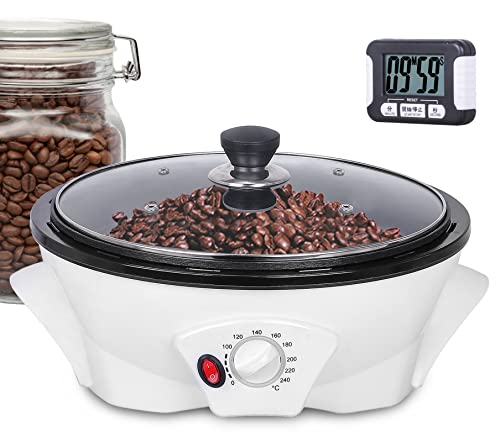
JIAWANSHUN Coffee Roaster Upgraded Electric Coffee Bean Roaster 1.1lb Coffee Roaster for Home Use,0-240℃ Temperature Adjust&Timer 110-120V
HOME COFFEE BEAN ROASTER: 100-240℃ adjustable temperature control, comes with an extra timer. It roasts coffee beans to…
As an affiliate, we earn on qualifying purchases.
As an affiliate, we earn on qualifying purchases.
Conclusion
Just like an artist paints their masterpiece, roasting your own coffee lets you craft a unique symphony of flavors. With the right gadgets, you become the maestro of your brew, transforming green beans into aromatic delights. Embrace the process, and soon you’ll find yourself savoring each cup, as if you’ve revealed a secret garden of rich, roasted treasures. Your coffee journey is yours to create—so go ahead, ignite your passion and enjoy the fragrant rewards.

Original Whirley Pop Popcorn Machine – 3-Minute Stovetop Popcorn Maker for Home Movie Snacks & Game Night – Wabash Valley Farms – Aluminum Pot With Nylon Gears – (Silver)
Perfect Popcorn in 3 Minutes – The Original Whirley Pop Popcorn Maker takes the guesswork out of creating…
As an affiliate, we earn on qualifying purchases.
As an affiliate, we earn on qualifying purchases.
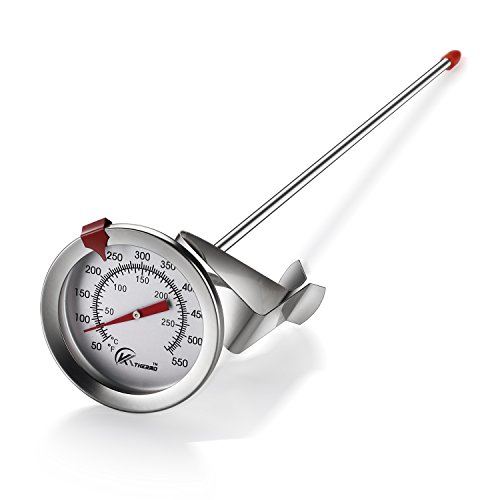
KT THERMO Candy/Deep Fry Thermometer with Instant Read,Dial Thermometer,12" Stainless Steel Stem Meat Cooking Thermometer,Best for Turkey,BBQ,Grill,Analog display
Multi-purpose: Mechanical induction, can be directly and accurately measure the oil pan, frying, barbecue temperature control.
As an affiliate, we earn on qualifying purchases.
As an affiliate, we earn on qualifying purchases.