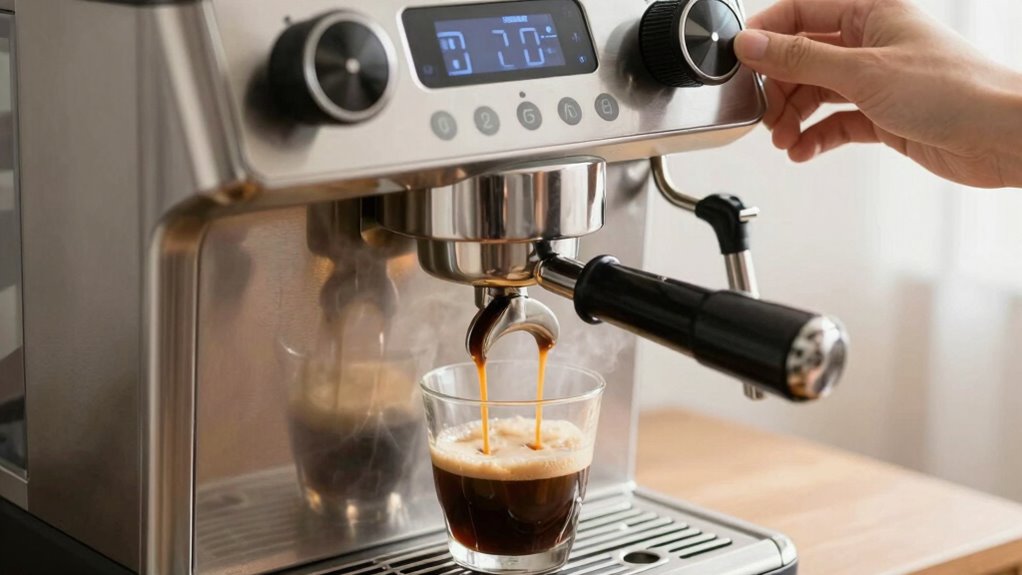
Coffee automation can deliver consistent, high-quality brews by precisely controlling temperature, grind size, and extraction time, making it easier for you to enjoy a reliable cup daily. However, it can’t capture the full complexity of manual brewing’s nuanced flavors. It follows preset parameters that overlook subtle variations in beans or environment, which are key to rich, layered taste. If you want to understand how to get the best of both worlds, there’s more to discover.

Get kitchen gear delivered free — and shop member deals
- Fast, free delivery on millions of items
- Access to Prime Big Deal Days deals on October 6–7
- Prime Video, Amazon Music and more included
Key Takeaways
- Automation ensures consistent brewing parameters but may miss subtle flavor nuances influenced by human intuition.
- Automated machines cannot adapt in real-time to aroma, color, or flow rate cues like manual brewing.
- They provide reliable results for beginners, but might lack the depth and complexity of manually crafted flavors.
- Manual craftsmanship allows customization and experimentation that automation cannot replicate.
- Combining automation with manual techniques optimizes both convenience and the potential for flavor complexity.
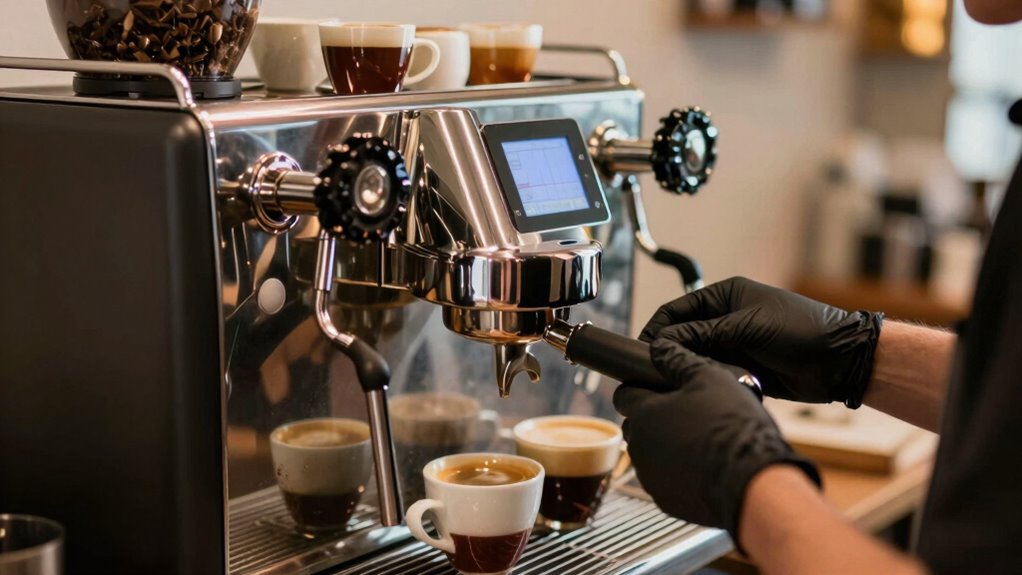
Coffee automation has rapidly transformed how we brew our favorite beverages, offering convenience and consistency like never before. With automated coffee machines, you can enjoy a perfect cup every time, thanks to precise controls over temperature, grind size, and extraction time. This consistency is a major advantage, especially if you prioritize brewing reliability. Automated systems are designed to deliver the same high-quality result with minimal effort, ensuring that each cup matches your preferred profile. But while automation excels at maintaining brewing consistency, it doesn’t replace the artistry of manual craftsmanship. When you brew manually, you have the opportunity to adjust variables based on subtle cues—like the aroma, color, or flow rate—that machines might not detect. This hands-on process allows for a nuanced approach to flavor, giving you the ability to experiment and tailor each cup to your taste.
However, automation does have its limitations when it comes to capturing the full depth of flavor that manual craftsmanship can produce. Skilled baristas or home brewers often make adjustments on the fly, responding to real-time feedback from the coffee’s aroma and appearance. Machines, on the other hand, follow preset parameters that may not account for small variations in coffee beans or environmental conditions. As a result, the complex, layered flavors that come from a human touch can sometimes be lost. Automation can produce a consistently good cup, but it may lack the depth and richness that come from a more intuitive, manual process. This is especially noticeable with specialty coffees, where subtle differences in grind, tamping, and extraction time *considerably* influence flavor. Recognizing the importance of manual skill can help you better understand the nuances that contribute to a truly exceptional brew. Additionally, understanding the impact of environmental factors can further enhance your appreciation of manual brewing’s complexity. Incorporating an awareness of flavor development can help you maximize your brewing potential, whether manual or automated.
That said, automation isn’t about replacing manual craftsmanship entirely; it’s about offering a reliable baseline for brewing. For many, it’s a matter of convenience—press a button, and you’re guaranteed a decent cup without needing to master every detail. Still, if you’re passionate about exploring different roast profiles or honing your brewing skills, manual methods give you the flexibility to push boundaries and craft unique flavors. Additionally, the precision controls offered by automation can help less experienced brewers achieve better results than they might manually. Moreover, understanding the role of environmental variables can help you adapt your brewing process to different conditions for optimal flavor. Ultimately, automation can elevate your daily routine by ensuring consistent quality, but for true flavor complexity, nothing beats the attentive touch of manual craftsmanship. It’s the balance between these approaches that lets you enjoy both convenience and the nuanced art of coffee brewing.
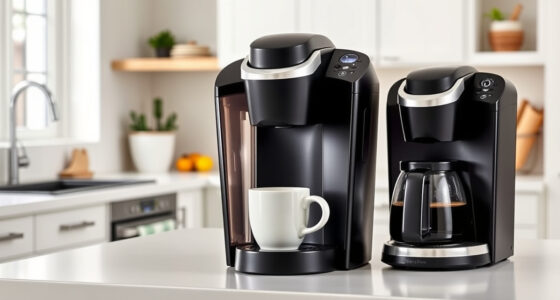
automatic coffee machine with precise temperature control
As an affiliate, we earn on qualifying purchases.
As an affiliate, we earn on qualifying purchases.
Frequently Asked Questions
Can Automation Improve Coffee Bean Sourcing?
Yes, automation can improve your coffee bean sourcing through automated sourcing systems that streamline your supply chain. These systems analyze data to identify reliable suppliers, track inventory levels, and forecast demand accurately. By reducing human error and increasing efficiency, automation helps you secure consistent quality beans and maintain a steady supply, ultimately enhancing your coffee’s flavor profile. It makes sourcing more transparent, reliable, and responsive to your needs.
How Does Automation Affect Environmental Sustainability?
Automation acts like a guardian for the environment, boosting eco-friendly processing and energy efficiency. You’ll notice less waste and lower energy use as machines optimize each step, reducing your coffee’s carbon footprint. While automation streamlines operations, it also promotes sustainable practices, helping you serve your coffee with a clear conscience. It’s a powerful tool that aligns your love for coffee with your commitment to environmental sustainability.
Is Manual Skill Still Necessary With Automation?
Manual skill remains necessary with automation because it relies heavily on manual precision and your skill dependency. Automation can handle repetitive tasks, but your expertise ensures consistency and quality, especially during setup or troubleshooting. You still need to fine-tune processes, understand the nuances of brewing, and make adjustments. Your skill enables you to oversee and refine automated systems, maintaining control and delivering the best coffee experience.
Can Automation Replicate the Sensory Nuances of Handcrafted Coffee?
Think of automation like a camera with perfect focus—it can capture many details but might miss the soul behind the scene. While automation offers impressive sensory precision, it struggles to replicate the nuanced flavor complexity of handcrafted coffee. You might notice subtle differences in aroma and taste, as machines can’t fully mirror the human touch that brings out the depth and character in each cup.
What Are the Future Trends in Coffee Automation Technology?
You’ll see future coffee automation trends focus on enhancing flavor consistency with advanced robotic baristas. These machines will incorporate smarter sensors and AI to fine-tune brewing parameters, ensuring each cup meets your flavor expectations. Expect more personalized experiences, where automation adapts to your preferences seamlessly. Overall, technology will drive precision and efficiency, making high-quality, consistent coffee accessible while still leaving room for the artistry behind handcrafted brews.
As an affiliate, we earn on qualifying purchases.
Conclusion
So, while coffee automation can make your mornings less chaotic and guarantee consistency, it’ll never truly teach your taste buds to dance or your nose to appreciate the nuanced aroma. Don’t expect a robot to replace the art of brewing or the joy of discovering a new flavor. Ultimately, automation’s great for convenience, but if you’re after that soulful, imperfect cup, you’ll still need to embrace your barista’s human touch—and maybe a little caffeine-induced poetry.
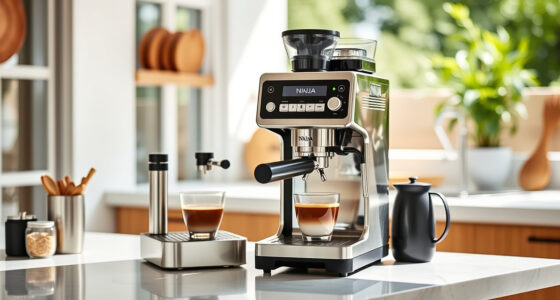
coffee grinder for specialty beans
As an affiliate, we earn on qualifying purchases.
As an affiliate, we earn on qualifying purchases.
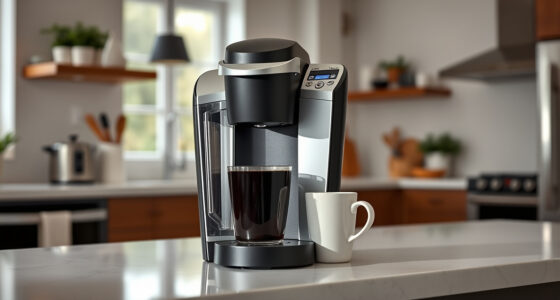
coffee brewing accessories for manual and automated methods
As an affiliate, we earn on qualifying purchases.
As an affiliate, we earn on qualifying purchases.
Fall Picks
fall essentials
As an affiliate, we earn on qualifying purchases.


![Bread 🍞 [Bonnymama7]](https://thesmartsous.com/wp-content/uploads/2026/09/bread-bonnymama7-featured-260x140.jpg)