
TL;DR

Get kitchen gear delivered free with Prime
- Fast, free delivery on millions of items
- Prime Video, Amazon Music and more included
- Member-only deals all year
Battuto is a raw aromatic mixture, while soffritto is the cooked version, forming the flavor base of many Italian dishes. Understanding the distinction improves cooking results and authenticity.
Battuto and soffritto are fundamental components of Italian cooking, serving as the flavor foundation for countless dishes. While often used interchangeably in everyday speech, they represent different stages in flavor development. Battuto is a finely chopped raw mixture of aromatics, and soffritto is that mixture after it has been gently cooked in fat. Recognizing this distinction helps cooks build more authentic and flavorful dishes, from ragù to seafood sauces. For more details, see the original analysis on Italian flavor bases. This understanding is crucial for both amateur and professional chefs aiming for true Italian taste, as detailed in this analysis.
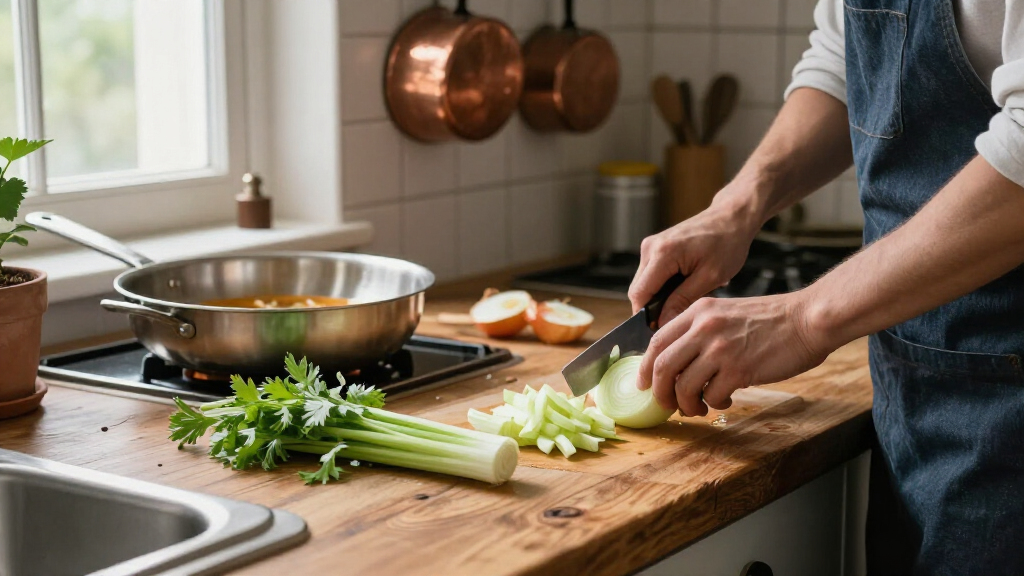
According to culinary sources, battuto originates from the Italian word battere, meaning “to beat” or “to chop,” and refers to the raw, finely chopped aromatic mixture typically including onion, carrot, celery, and sometimes cured meats or herbs. Once this mixture is cooked slowly in fat—olive oil, butter, or rendered pork fat—it becomes soffritto, a fragrant, tender, and lightly golden base that supports the main ingredients of a dish.
In practical terms, the difference influences how a dish develops its flavor. For example, in making a traditional ragù alla bolognese, the raw battuto is first chopped evenly and then cooked gently until fragrant and soft. This process extracts sweetness and aroma, creating a rich, layered foundation. The timing and temperature are key; rushing the process can leave raw, bitter flavors, while slow cooking ensures depth and subtlety. The ingredients used in battuto or soffritto vary regionally, with some recipes omitting carrot or using garlic and herbs instead, depending on the dish’s final profile.
Cooking techniques emphasize controlled heat, gentle stirring, and patience. Typically, the vegetables are cooked over low or medium-low heat for 10 to 20 minutes until tender and fragrant. The choice of fat also impacts flavor; olive oil is common in central and southern Italy, while butter may be preferred in northern regions. Mastering these steps allows cooks to create bases that enhance the overall dish without overpowering it with raw or burnt flavors.
Why Understanding Battuto and Soffritto Improves Italian Cooking
Knowing the difference between battuto and soffritto is essential for achieving authentic Italian flavors. It helps cooks develop a layered, balanced taste profile, avoiding raw or overly caramelized flavors that can detract from the dish. For home cooks, this knowledge enables more precise control over flavor development, leading to more consistent and satisfying results. For professional chefs, mastering these stages is fundamental to replicating traditional recipes and maintaining culinary authenticity. Overall, this understanding enriches the cooking process, allowing for better flavor management and regional variation recognition.
As an affiliate, we earn on qualifying purchases.
Historical and Regional Variations of Aromatic Bases in Italy
The use of battuto and soffritto has deep roots in Italian culinary tradition, varying by region and dish. In northern Italy, especially Emilia-Romagna, the base often includes onion, carrot, celery, and sometimes pancetta, cooked in butter or pork fat for rich ragùs. Central Italy favors a simpler mixture with herbs like rosemary and sage, cooked in olive oil, supporting hearty bean and meat dishes. Southern regions, such as Campania, often emphasize garlic and parsley, with olive oil, especially in seafood preparations like spaghetti alle vongole. The distinction between raw and cooked aromatics has historically guided regional cooking techniques, though in everyday conversation, the terms are sometimes used interchangeably.
Over centuries, these techniques have evolved but remain central to Italian cuisine. The slow, gentle cooking of soffritto is seen as a way to build flavor gradually, a lesson passed down through generations. While the basic ingredients—onion, carrot, celery—are common, regional variations reflect local tastes, available ingredients, and dish requirements. Recognizing these differences provides insight into Italy’s culinary diversity and helps cooks adapt recipes authentically.
“The mixture becomes soffritto once it is gently cooked in fat. The goal is tender, fragrant vegetables that support the main ingredients without overpowering them.”
— Mad Tasting
As an affiliate, we earn on qualifying purchases.
Regional and Ingredient Variations Still Evolving
While the basic distinction between battuto and soffritto is well established, regional variations and ingredient choices continue to evolve. Some chefs experiment with different herbs, fats, or additional aromatics, leading to a spectrum of interpretations. It is also unclear whether the precise timing and chopping techniques are universally followed, as home cooks often adapt based on tradition or convenience. Additionally, the terminology may vary locally, with some regions using different terms or blending the concepts, making standardization challenging.
finely chopped aromatic mixture tools
As an affiliate, we earn on qualifying purchases.
As an affiliate, we earn on qualifying purchases.
Further Research and Culinary Education on Italian Bases
Future developments may include more detailed culinary guides, regional cookbooks, and cooking classes emphasizing the importance of battuto and soffritto. As Italian cuisine continues to gain global popularity, chefs and home cooks alike are likely to explore regional variations and refine techniques. Food media and culinary institutions might also focus on preserving traditional methods, while encouraging experimentation within authentic parameters. The ongoing dialogue about regional differences will help deepen understanding and appreciation of Italy’s diverse culinary heritage.
As an affiliate, we earn on qualifying purchases.
Key Questions
What is the main difference between battuto and soffritto?
The main difference is that battuto is a raw, finely chopped aromatic mixture, while soffritto is that mixture after it has been gently cooked in fat, developing flavor and aroma.
Can I use the terms interchangeably?
In everyday speech, they are often used interchangeably, but technically, battuto refers to the raw ingredients, and soffritto describes the cooked, fragrant base.
What are the typical ingredients for soffritto?
The classic ingredients include onion, carrot, and celery, but regional variations may include garlic, herbs, or cured meats, depending on the dish.
How long should I cook soffritto?
Typically, it takes about 10 to 20 minutes over low or medium-low heat until the vegetables are tender, fragrant, and lightly golden.
Why is patience important when making soffritto?
Patience ensures the vegetables soften properly, releasing their sweetness and aroma without burning or becoming bitter, which is essential for authentic flavor development.
Source: Mad Tasting
Halloween Picks
halloween
As an affiliate, we earn on qualifying purchases.