
🔍 Read the full analysis: Extra Virgin, Really: How To Buy Italian Olive Oil You Can Trust on Mad Tasting

Get kitchen gear delivered free with Prime
- Fast, free delivery on millions of items
- Prime Video, Amazon Music and more included
- Member-only deals all year
TL;DR
Authentic Italian extra virgin olive oil can be verified through certifications like DOP or IGP, recent harvest dates, specific origin labels, and taste. This guide explains how to distinguish real from fake, helping consumers make informed choices.
Consumers can now better identify genuine Italian extra virgin olive oil by examining key indicators such as certification seals, harvest dates, origin labels, packaging, and taste. This guidance aims to help buyers avoid adulterated or mislabeled products, which is especially important given ongoing issues with olive oil fraud in Italy and across Europe.
Authentic Italian extra virgin olive oil is often certified with the DOP (Denominazione di Origine Protetta) or IGP (Indicazione Geografica Protetta) seals. DOP offers the strongest guarantee, ensuring every step of production — from growing to bottling — occurs within a defined region under strict EU rules, with chemical and sensory testing. IGP indicates at least one major stage took place in the region, but with slightly looser standards.
Labels matter: ‘Product of Italy’ combined with a DOP or IGP seal is the most reliable indicator. Conversely, phrases like ‘bottled in Italy’ or ‘imported from Italy’ may only mean the bottle was assembled there, not that the oil is entirely Italian. Additionally, the specific olive varieties listed on the label, such as frantoio, leccino, or coratina, provide further assurance of authenticity.
One of the most critical details is the harvest date. Fresh oil tastes vibrant, with a peppery, bitter bite, and should be used within 12 to 18 months of harvest. Older oils lose flavor and health benefits, turning dull and stale. Producers often label the harvest period, typically between October and December, with early picks being sharper and greener, and later ones more mellow.
Taste is a reliable test: genuine extra virgin olive oil should have a fruity, bitter, and peppery profile. The peppery burn in the throat is a sign of high polyphenol content, which correlates with freshness and quality. An absence of this bite may suggest oxidation or adulteration, not a flaw. Storage in dark glass or tins helps preserve quality once purchased.
Why Verifying Italian Olive Oil Matters
With Italy importing more olive oil than it produces, much of the product sold as Italian is actually from other countries like Spain, Greece, or Tunisia. Counterfeit and adulterated oils can be common, and consumers often pay premium prices for subpar or mixed oils. Knowing how to read labels, recognize certifications, and assess taste empowers buyers to avoid fraud and enjoy authentic, healthful products that support small producers and regional traditions.
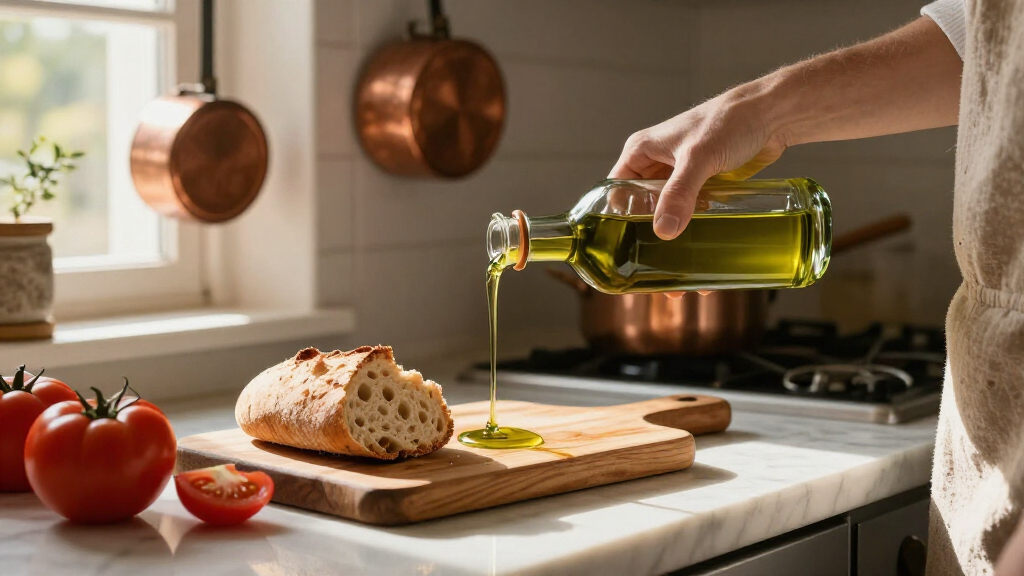
Italian extra virgin olive oil with DOP certification
As an affiliate, we earn on qualifying purchases.
As an affiliate, we earn on qualifying purchases.
Olive Oil Fraud and Certification Challenges in Italy
Italy’s high demand for olive oil has led to widespread importation of oils from other countries, which are sometimes relabeled as Italian. Investigations over recent years have uncovered large-scale adulteration rings, with testing revealing that many bottles labeled as extra virgin do not meet sensory standards. Certification seals like DOP and IGP are meant to guarantee origin and quality, but they can be counterfeited or misused, making label literacy essential for consumers.
As an affiliate, we earn on qualifying purchases.
Limits of Certification and Labeling Transparency
While certifications like DOP and IGP significantly reduce the risk of buying adulterated oil, they can be counterfeited or misused. Labels such as ‘product of Italy’ or ‘bottled in Italy’ do not always guarantee 100% Italian origin, especially with complex supply chains. The accuracy of olive variety names and harvest dates depends on producer honesty and regulatory enforcement, which can vary.
As an affiliate, we earn on qualifying purchases.
Steps Consumers Can Take to Ensure Authenticity
Buy from reputable sources that specify region, mill, and harvest date. Look for the DOP or IGP seal and check the label for specific olive varieties. Taste the oil for a peppery, bitter bite, and store it in dark containers away from light and heat. Continued enforcement and consumer awareness will help reduce fraud and promote authentic Italian olive oils.
As an affiliate, we earn on qualifying purchases.
Key Questions
How can I tell if an Italian olive oil is authentic?
Check for official certification seals like DOP or IGP, verify the harvest date within 12–18 months, read the origin labels carefully, and taste for a peppery, bitter bite that indicates freshness.
Is ‘bottled in Italy’ the same as ‘product of Italy’?
No. ‘Product of Italy’ means the olives were grown, pressed, and bottled in Italy. ‘Bottled in Italy’ can mean only the bottle was assembled there, with the oil possibly coming from other countries.
What should I avoid when buying Italian olive oil?
Be suspicious of very low prices, vague labels, or oils without harvest dates. Also, avoid products labeled only as ‘extra virgin’ without region or certification details.
Does taste really matter in identifying quality olive oil?
Yes. Authentic high-quality extra virgin olive oil should have a fruity flavor, and a peppery, bitter finish—these are signs of freshness and high polyphenol content.
How should I store olive oil once I buy it?
Store in a dark glass bottle or tin, away from light, heat, and air to preserve flavor and health benefits for as long as possible.
Source: Mad Tasting
Halloween Picks
halloween
As an affiliate, we earn on qualifying purchases.