
TL;DR
Health officials confirmed E. coli contamination in several lettuce products, prompting a nationwide recall. The recall impacts multiple brands, and investigations are ongoing. Consumers are advised to discard affected lettuce.
Health authorities confirmed a nationwide recall of lettuce products after identifying E. coli contamination in multiple batches, affecting several brands and prompting urgent consumer advisories. This development underscores ongoing food safety concerns and highlights the importance of proper handling and inspection.
The CDC and FDA announced on March 15, 2024, that multiple lettuce products sold across the United States are being recalled due to confirmed E. coli contamination. The contamination has been linked to at least 12 reported cases of illness in five states, with symptoms including severe stomach cramps, diarrhea, and vomiting. No deaths have been reported so far.
The affected products include various brands sold under different labels, with the contaminated batches traced back to a common supplier. The recall covers both pre-packaged lettuce and lettuce used in salads from grocery stores. Consumers are urged to discard any lettuce purchased from affected batches and to wash their hands thoroughly after handling.
Officials from the CDC and FDA stated that investigations are ongoing to determine the source of contamination, which is believed to originate from contaminated irrigation water or processing equipment. No definitive source has yet been confirmed, but authorities are working with suppliers to prevent further distribution.
Impacts on Food Safety and Consumer Confidence
This recall highlights ongoing challenges in ensuring the safety of fresh produce, which is often grown and processed in complex supply chains. The confirmed E. coli contamination raises concerns about food safety protocols and the effectiveness of current inspection procedures. For consumers, this incident underscores the importance of thoroughly washing produce and staying informed about recalls that could affect their health.
For the industry, the recall could lead to increased scrutiny and possibly stricter regulations for fresh produce suppliers. Public health officials emphasize that prompt action and consumer awareness are key to preventing illness and maintaining trust in the food supply chain.
As an affiliate, we earn on qualifying purchases.
Recent Trends in Produce Safety and Previous Outbreaks
Over the past decade, there have been several high-profile outbreaks linked to leafy greens and other fresh produce, often traced back to contaminated irrigation water or processing facilities. In 2021, a similar E. coli outbreak led to a nationwide recall of romaine lettuce, prompting calls for improved safety standards.
This incident occurs amid increased consumer demand for fresh, organic, and locally sourced produce, which can sometimes complicate safety oversight. The ongoing investigation aims to identify weaknesses in current practices and prevent future incidents.
“We are actively investigating the source of this contamination and urge consumers to discard affected lettuce products immediately.”
— CDC spokesperson
As an affiliate, we earn on qualifying purchases.
Unconfirmed Sources and Ongoing Investigations
It is not yet clear how the contamination occurred or which specific farms or processing facilities are involved. Investigators are examining multiple points in the supply chain, but no definitive source has been publicly confirmed. The scope of contamination and whether other produce might be affected remain under review.
As an affiliate, we earn on qualifying purchases.
Authorities will continue testing and tracing the contaminated batches to identify the source of E. coli. Additional recalls or safety advisories may be issued as investigations progress. Consumers should stay informed through official channels and monitor updates from the CDC and FDA.
Manufacturers are expected to review their safety protocols and improve testing procedures to prevent future contamination. The industry may also face increased regulatory scrutiny and calls for stricter safety standards for fresh produce.
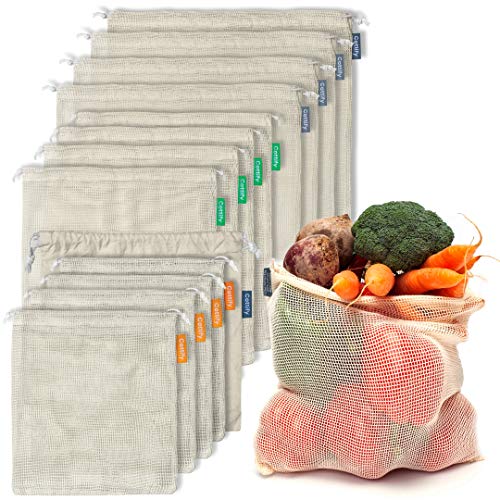
12+1 Reusable Produce Bags Grocery Washable, Organic Cotton Mesh Produce Bags, Double-Stitched & Tare Weigh, Mesh bags for vegetables, Cotton Produce Bags Reusable Washable, Produce bag 4xS, 4xM, 4xL
- Lightweight and Durable: Made from high-grade organic cotton mesh
- Eco-Friendly and Reusable: Biodegradable, zero waste, withstands hundreds of uses
- Portable and Organized: Color-coded with tare weight labels for easy identification
As an affiliate, we earn on qualifying purchases.
As an affiliate, we earn on qualifying purchases.
Key Questions
Which lettuce brands are affected by the recall?
The recall includes several brands sold under different labels, all linked to the same supplier. Consumers are advised to check their packaging for batch numbers or labels indicating the affected batches.
How can I tell if my lettuce is contaminated?
Contaminated lettuce may not look or smell different. The safest approach is to check the packaging for recall notices or batch information. If in doubt, discard the product and wash your hands thoroughly after handling.
What symptoms are associated with E. coli infection?
Symptoms include severe stomach cramps, diarrhea (sometimes bloody), vomiting, and in some cases, fever. If you experience these symptoms after eating lettuce, seek medical attention promptly.
Should I avoid all lettuce products?
Consumers should avoid affected batches as identified in recall notices. For other lettuce products, ensure proper washing and handling, and stay updated on official advisories.
What safety measures are being taken to prevent future contamination?
Food safety agencies and producers are reviewing and enhancing safety protocols, including water testing, equipment sanitation, and supply chain oversight, to prevent similar incidents.
Source: google-trends