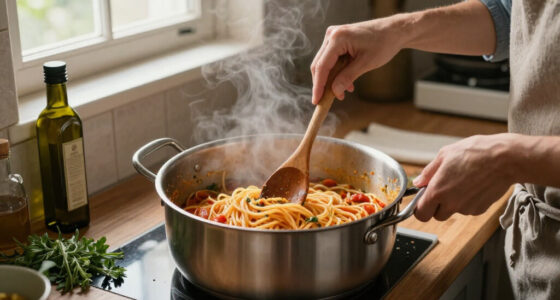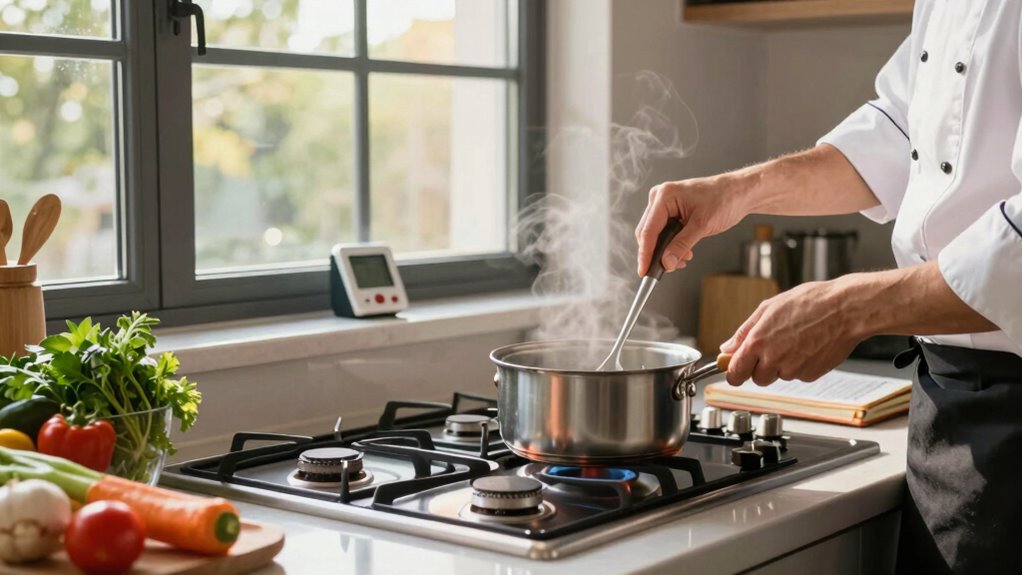

To cook more reliably with less stress, understanding key scientific principles helps you control heat transfer, ingredient interactions, and timing. Proper seasoning, using a thermometer, and adjusting techniques based on temperature guarantee consistent results. Balancing flavors and textures becomes easier when you know how heat affects ingredients and how to troubleshoot common issues. Mastering these concepts boosts your confidence and simplifies the process — keep exploring to open even more effective cooking strategies.

Get kitchen gear delivered free with Prime
- Fast, free delivery on millions of items
- Prime Video, Amazon Music and more included
- Member-only deals all year
Key Takeaways
- Master heat transfer and timing to improve consistency and reduce guesswork during cooking.
- Use a thermometer to accurately monitor internal temperatures for better results.
- Balance ingredients and seasonings throughout the process to enhance flavor reliably.
- Apply scientific principles like conduction and moisture retention to control texture and doneness.
- Develop a structured cooking process based on these principles to build confidence and minimize stress.
Cooking can often feel overwhelming, especially when you’re trying to get everything just right. It’s easy to get caught up in the details, worrying about timing, temperature, and presentation. But understanding a few core principles from the science of cooking can help you become more reliable in the kitchen and reduce stress. When you know how different factors influence your dishes, you gain confidence and can troubleshoot more effectively.
One key to consistent results is mastering flavor enhancement. The science behind flavor involves balancing ingredients, using proper seasoning, and understanding how heat transforms taste. For example, adding salt not only enhances flavor but also helps break down proteins, tenderizing meats and vegetables. Incorporating acids like lemon juice or vinegar can brighten flavors and cut through richness. Knowing when and how to season during different cooking stages ensures your dishes taste vibrant and well-rounded. Instead of guessing, you can develop a process—taste as you go, and adjust accordingly. This scientific approach minimizes guesswork and guarantees each bite hits the right notes.
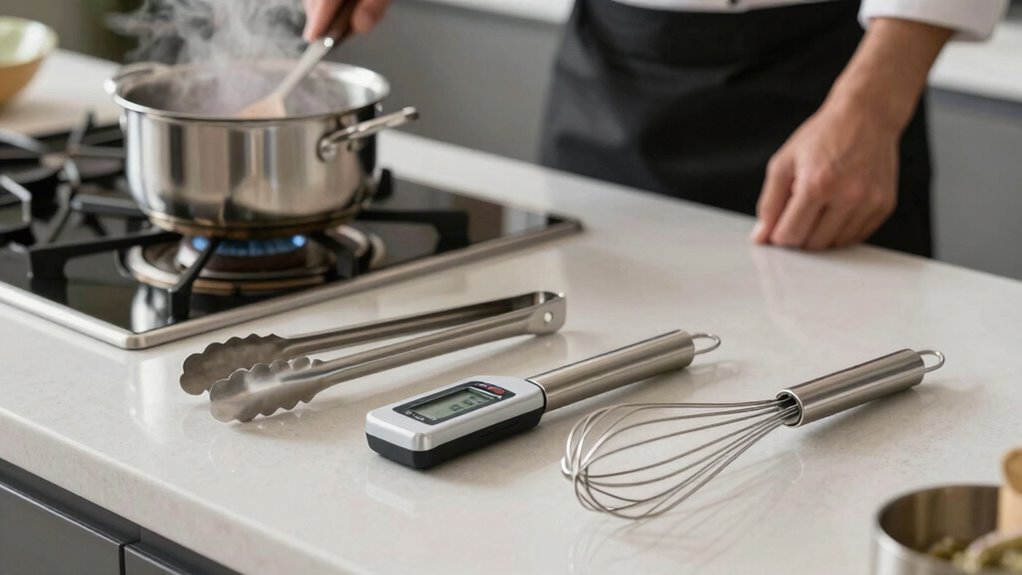
Another vital aspect is maintaining texture consistency. Cooking involves heat transfer, which affects the structure of your ingredients. Overcooking vegetables can lead to mush, while undercooking poultry leaves it tough. To avoid this, understand the ideal internal temperatures and cooking times for different foods. Using a thermometer takes the guesswork out of whether your chicken is fully cooked or if your pasta is al dente. Applying principles of heat conduction and moisture retention helps you achieve the desired texture every time. For instance, searing meat quickly at high heat creates a flavorful crust without overcooking the interior. Resting meats after cooking allows juices to redistribute, ensuring moistness and tenderness. When you grasp how heat affects different ingredients, you can adjust your techniques accordingly, making each dish more dependable. Additionally, understanding heat conduction and how it impacts cooking times can help you plan and execute dishes more effectively. Employing scientific methods like precise temperature control can further enhance your cooking consistency, reducing errors and boosting your confidence in the kitchen.
Products Worth Considering

Cuisinart Chef's Classic 7-Piece Stainless Steel Cookware Set

Instant Pot InstantChill Ice Cream Maker with Rolled Ice Cream, 2-Pint

Instant Pot Duo Plus 6 Qt 9-in-1 Electric Pressure Cooker, Stainless Steel
As an affiliate, we earn on qualifying purchases.
Frequently Asked Questions
How Can I Adapt Recipes for Dietary Restrictions Easily?
To adapt recipes for dietary restrictions, start with ingredient substitutions that suit your needs, like dairy-free milk or gluten-free flour. Then, make flavor adjustments to maintain the dish’s deliciousness, such as adding herbs or spices to compensate for missing ingredients. Keep tasting as you go, and don’t hesitate to experiment with small changes. This approach helps you create satisfying, personalized dishes while respecting dietary needs.
What Are the Best Tools to Reduce Cooking Stress?
You can reduce cooking stress by using tools like slow cookers or pressure cookers for quick cooking shortcuts that save time and effort. A high-quality blender or food processor speeds up prep and enhances flavors with minimal effort. Invest in good-quality knives to make chopping easier, and keep flavor enhancers like herbs and spices handy. These tools streamline your process, boost flavor, and make cooking more enjoyable and less stressful.
How Do I Troubleshoot Common Cooking Failures?
Think of troubleshooting as steering through a kitchen maze. When a dish fails, try ingredient substitution to fix it, like swapping out too-sour lemon for a touch of honey. Taste and flavor balancing are your compass—adjust seasonings gradually, tasting as you go. If a sauce is too thick, add a splash of water. With patience and a keen palate, you’ll find your way back to a delicious meal.
Can Meal Prep Help Reduce Daily Cooking Anxiety?
Yes, meal prep strategies can markedly reduce your daily cooking anxiety. By planning and preparing meals ahead, you eliminate last-minute decisions and stress. Incorporate cooking mindset techniques like focusing on simple, achievable recipes and embracing flexibility. This approach boosts confidence, saves time, and makes cooking more enjoyable. Over time, you’ll develop a more relaxed attitude towards meal preparation, making your daily routine smoother and less stressful.
How Does Kitchen Organization Impact Cooking Reliability?
Kitchen organization is like a well-orchestrated symphony, where every element plays a essential role. A smart kitchen layout guarantees you move efficiently, while easy ingredient accessibility minimizes stress and mistakes. When your tools and ingredients are within reach, you cook more reliably because you spend less time searching and more time focusing on perfecting your dishes. This setup boosts confidence, reduces errors, and makes cooking a smoother, more enjoyable experience.
Conclusion
By embracing the science of cooking, you’ll boost your brilliance in the kitchen and banish baking blunders. With mindful measurements and methodical methods, you make mastery manageable, transforming stressful scrambles into serene successes. So, stay steady, savor the science, and step into your culinary comfort zone. As you cook with confidence, your skills will soar, and stress will slip away—leaving you a savvy, stress-free chef ready to relish every recipe.