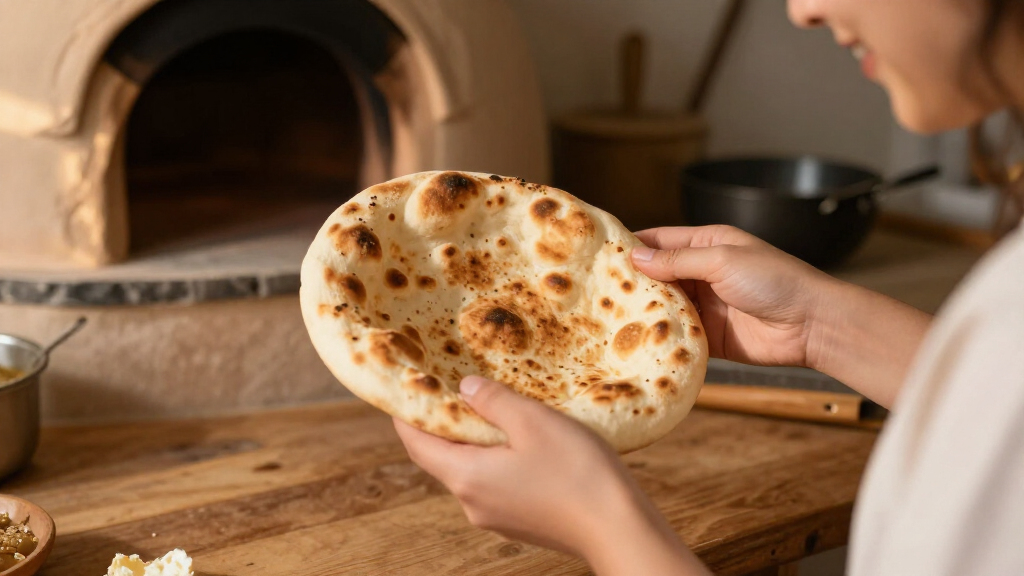

TL;DR
Listen free for 30 days with Audible
Thousands of audiobooks and originals — cancel anytime.
Start your free trialAs an affiliate, we earn on qualifying purchases.
This article examines the traditional flatbreads of Uzbekistan, their cultural importance, and recent initiatives to preserve these culinary traditions. It highlights confirmed efforts and ongoing debates about their significance.
In 2015, Uzbekistan intensified efforts to document and preserve its traditional flatbreads, which are considered a vital part of its cultural heritage. These flatbreads, known locally as ‘non,’ are central to Uzbek cuisine and social customs, prompting government and cultural organizations to launch initiatives aimed at safeguarding this culinary tradition. The development underscores a broader movement to protect intangible cultural heritage in the region.
Uzbekistan’s flatbreads, or ‘non,’ have long been a staple of local cuisine, with recipes and baking methods passed down through generations. In 2015, efforts by cultural authorities and local bakers gained momentum to formally recognize these breads as part of Uzbekistan’s intangible cultural heritage. The initiatives include documentation projects, preservation of traditional baking techniques, and public awareness campaigns.
According to the Uzbek Ministry of Culture, these efforts aim to prevent the loss of traditional baking skills amid modernization and changing lifestyles. Several local communities and artisans have been involved in workshops and exhibitions showcasing traditional ‘non’ making. The government has also proposed integrating these practices into UNESCO’s list of intangible cultural heritage, though official recognition has not yet been granted.
Why Preserving Uzbekistan’s Flatbreads Matters
The preservation of Uzbekistan’s traditional flatbreads reflects a broader effort to maintain cultural identity amid rapid modernization. These breads are more than food; they symbolize social bonds, regional identities, and historical continuity. Recognizing and safeguarding this culinary heritage can foster national pride and promote tourism, while also supporting local artisans and preserving traditional skills that are at risk of disappearing.
As an affiliate, we earn on qualifying purchases.
Historical and Cultural Roots of Uzbek Flatbreads
Uzbek flatbreads, or ‘non,’ have been a cornerstone of Central Asian cuisine for centuries. Traditionally baked in tandoors, they are integral to social and religious gatherings. Over the past decades, modernization and urbanization have led to a decline in traditional baking practices, raising concerns about the loss of cultural heritage. The 2015 initiatives emerged as part of a wider regional movement to protect intangible cultural assets.
“The traditional flatbread is a symbol of our cultural identity, and preserving its making is vital for future generations.”
— Uzbek Ministry of Culture spokesperson
As an affiliate, we earn on qualifying purchases.
Uncertainties About Official Recognition and Future Preservation
While efforts to document and preserve the flatbreads have gained momentum, it remains unclear whether Uzbekistan’s ‘non’ will be officially recognized by UNESCO or other international bodies. The extent of government funding and community participation in sustaining these traditions also remains uncertain. Additionally, there is debate over how modernization might further impact traditional baking practices in the coming years.
As an affiliate, we earn on qualifying purchases.
Next Steps in Protecting Uzbekistan’s Culinary Heritage
Moving forward, Uzbek authorities plan to submit a formal application to UNESCO for recognition of ‘non’ as an intangible cultural heritage. Simultaneously, local communities and artisans are expected to continue workshops and awareness campaigns. Monitoring the impact of modernization and ensuring the transmission of traditional baking skills will be key priorities in the near future.
As an affiliate, we earn on qualifying purchases.
Key Questions
What are Uzbek flatbreads called?
They are called ‘non,’ a traditional flatbread integral to Uzbek cuisine.
Why are these flatbreads culturally important?
They symbolize social bonds, regional identity, and cultural continuity, playing a key role in social and religious gatherings.
What efforts are being made to preserve these flatbreads?
Documentation projects, workshops, community initiatives, and potential UNESCO recognition are among the efforts underway.
Are these flatbreads at risk of disappearing?
Yes, due to modernization and changing lifestyles, traditional baking skills are declining, prompting preservation efforts.
When might Uzbekistan’s flatbreads gain international recognition?
They are expected to be formally nominated for UNESCO recognition in the near future, but no official decision has been made yet.
Source: hn
NFL season / tailgating Picks
team gear
As an affiliate, we earn on qualifying purchases.