
TL;DR

Get kitchen gear delivered free with Prime
- Fast, free delivery on millions of items
- Prime Video, Amazon Music and more included
- Member-only deals all year
A Good Housekeeping registered dietitian is promoting canned pumpkin as a convenient, nutrient-rich pantry ingredient, citing its beta-carotene, fiber and potassium. The report recommends checking labels for 100% pumpkin puree rather than sweetened pumpkin pie filling, and suggests using the puree in both sweet and savory dishes.
A registered dietitian writing for Good Housekeeping is urging readers to treat canned pumpkin as more than a fall baking ingredient, pointing to its beta-carotene, fiber and potassium and its ease of use in everyday meals. The advice centers on choosing plain pumpkin puree, not pumpkin pie filling, which can contain added sweeteners and other ingredients.
The dietitian, identified in the report as the director of the Good Housekeeping Institute Nutrition Lab, describes canned pumpkin as an affordable, convenient pantry staple. The report says a half-cup serving provides 100% of the daily value for vitamin A, because pumpkin is rich in beta-carotene, which the body converts into vitamin A. Vitamin A supports vision and immune function, according to the report.
Canned pumpkin also contains fiber and potassium. The report links fiber with digestion and fullness, and says potassium supports blood pressure, muscle function and fluid balance. It describes canned pumpkin as naturally low in calories, but provides no specific calorie figure, brand comparison or study data in the supplied material.
The key shopping distinction is between 100% pumpkin puree and pumpkin pie filling, sometimes labeled pumpkin pie mix. The report advises checking the ingredient list for pumpkin alone; pie filling may include sugar, other sweeteners, fillers and spices. It also recommends choosing a BPA-free can when possible. These are the report’s practical recommendations, not findings from a newly described clinical study.
A Pantry Ingredient Beyond Pie
The advice matters for shoppers looking for convenient ways to add produce and nutrients to meals without preparing a whole pumpkin. Canned puree is ready to use, and the report says it is typically processed soon after harvest, helping preserve many of its nutrients. That convenience can make it easier to use pumpkin outside the short window when it is most visible in seasonal recipes.
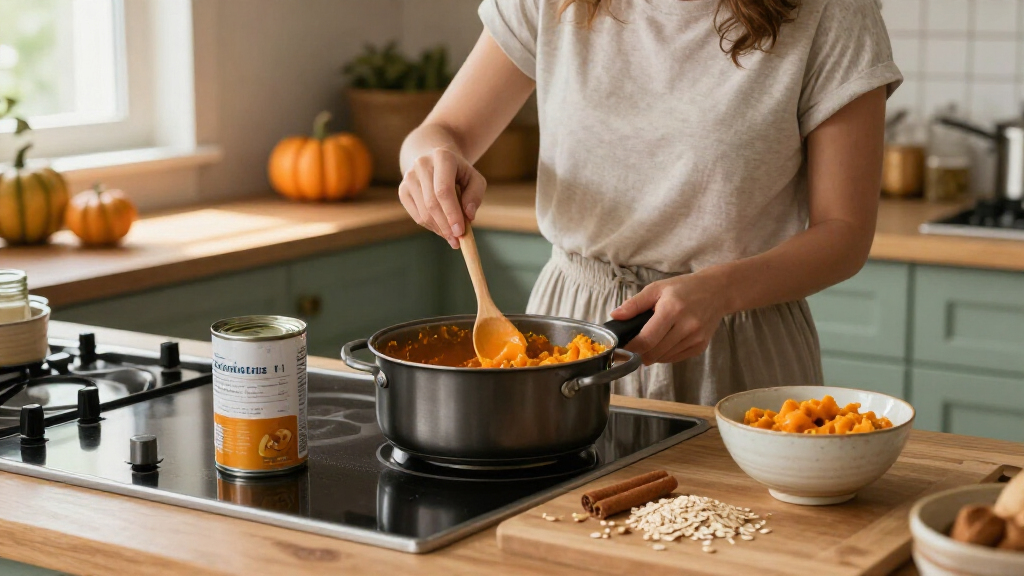
The ingredient’s mild flavor and creamy texture also suit a range of dishes. The dietitian suggests adding it to oatmeal, smoothies, yogurt, soups and sauces, as well as muffins, pancakes and other baked goods. That broader use may help readers make use of a can without relying on desserts, while the label guidance helps distinguish plain puree from a sweeter prepared product.
The article does not establish that canned pumpkin prevents disease or provides benefits beyond those associated with its nutrients. Its main value is practical: it summarizes nutrient information and offers ways to incorporate an accessible pantry food into meals.
Products Worth Considering

Vitamix 64 oz Low-Profile Blender Container with SELF-DETECT, BPA-Free

Ninja CREAMi XL Deluxe 11-in-1 Ice Cream and Frozen Treat Maker with Two 24 oz. Tubs

De'Longhi Classic Signature Espresso Machine with Adjustable Milk Frother
As an affiliate, we earn on qualifying purchases.
Choosing Puree Over Pie Mix
The report frames canned pumpkin as a year-round option rather than a seasonal specialty. It says consumers do not need to roast and puree fresh pumpkin to obtain the food’s nutritional benefits, and notes that canned products are generally processed shortly after harvest. The source does not provide a comparison of nutrient levels across specific brands or processing methods.
In the kitchen, the dietitian recommends using pumpkin in both sweet and savory preparations. Suggestions include stirring it into overnight oats, blending it into smoothies, mixing it with Greek yogurt and granola, or adding it to mac and cheese. For snacks, the report proposes combining pumpkin with oats, nut butter and a sweetener such as honey or maple syrup. It also suggests using a small amount in homemade vinaigrette.
For leftovers, the report advises placing opened puree in an airtight container and refrigerating it for three to four days, or freezing it in small portions. Freezing in an ice cube tray is offered as one way to make smaller amounts easy to use later. The source does not cite food-safety guidance separately, so readers should follow storage directions on the product and standard food-safety advice.
““I consider canned pumpkin one of my favorite antioxidant-rich pantry staples.””
— The registered dietitian and director of the Good Housekeeping Institute Nutrition Lab, as identified in the report
Limits of the Nutrition Claims
The supplied report does not identify the specific canned product, nutrition label or database used for the 100% daily value statement. It also does not compare canned pumpkin with fresh pumpkin, evaluate different brands or present clinical research showing effects on health outcomes. The nutrition information should be read as general food guidance, not as a claim that pumpkin treats or prevents a condition.
The report’s description of pumpkin pie filling refers to what it typically contains; ingredients vary by product. Shoppers should check each label rather than assume every can has the same formulation. The supplied material also does not state the report’s publication date, so its timing beyond appearing in Good Housekeeping cannot be confirmed here.
Check Labels and Use Leftovers
For readers following the advice, the immediate step is to compare ingredient lists and choose a product labeled 100% pumpkin puree when plain pumpkin is wanted. Opened puree can be used in a meal or snack, refrigerated in an airtight container for the report’s suggested three to four days, or frozen in portions for later recipes.
The source does not announce a follow-up study, product change or additional development. Its guidance is a set of nutrition and cooking recommendations; any further health conclusions would require evidence beyond the material provided.
Key Questions
Is canned pumpkin the same as pumpkin pie filling?
No. Plain pumpkin puree contains pumpkin, while pumpkin pie filling or mix may include sugar, other sweeteners, fillers and spices. Check the ingredient list to tell them apart.
What nutrients does the report highlight?
The Good Housekeeping report highlights beta-carotene, fiber and potassium. It says the body converts beta-carotene into vitamin A and that a half-cup serving provides 100% of the daily value for that vitamin.
How can I use canned pumpkin outside of baking?
The dietitian suggests mixing it into oatmeal, smoothies, yogurt, soups, mac and cheese or salad dressing. It can also be used in baked goods such as muffins, pancakes and breads.
How should leftover pumpkin puree be stored?
The report recommends transferring leftovers to an airtight container and refrigerating them for three to four days, or freezing smaller portions. Follow the product label and food-safety guidance for storage.
Source: goodhousekeeping.com