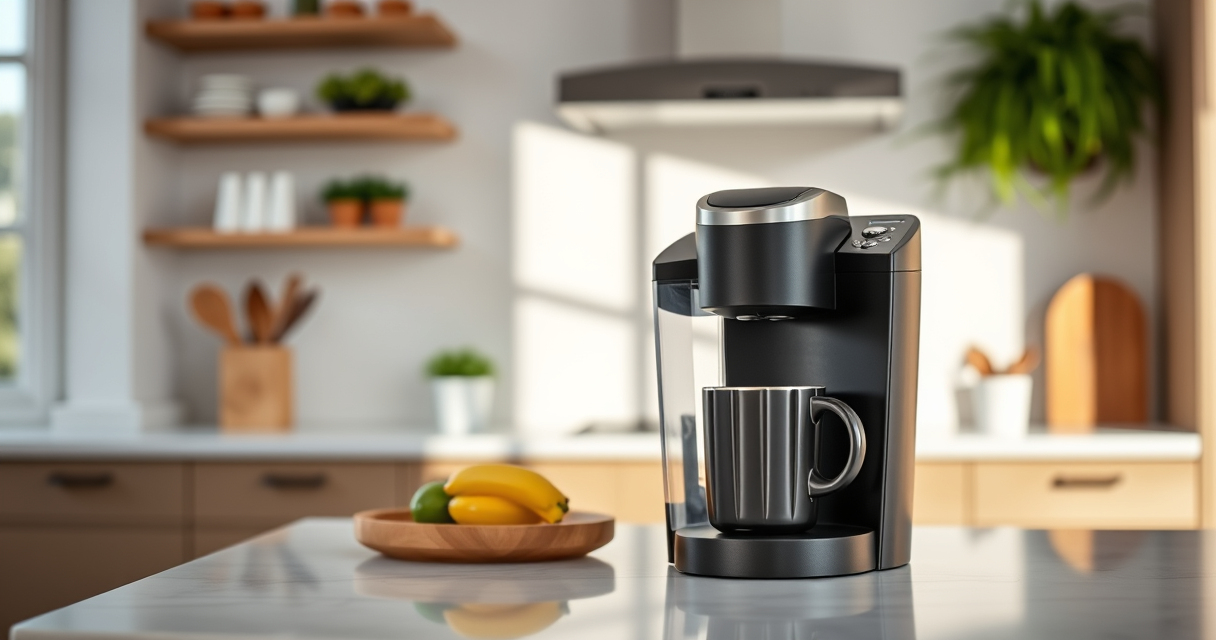

If your Keurig K-Mini coffee maker is not brewing a full cup, it can be frustrating and disrupt your daily routine. Often, this issue is caused by mineral buildup, a clogged needle, or a problem with the water reservoir. Fortunately, with a few simple troubleshooting steps, you can restore your machine’s full brewing capacity without needing professional repair.

Get kitchen gear delivered free with Prime
- Fast, free delivery on millions of items
- Prime Video, Amazon Music and more included
- Member-only deals all year
Below, you’ll find clear, step-by-step instructions to diagnose and fix common causes of incomplete brewing, along with tips to maintain your machine for ongoing reliable performance.
Key Takeaways
| Regular Descaling Helps | Mineral buildup can restrict water flow, affecting brew size. |
| Check the Water Reservoir | Ensure it’s filled properly and seated correctly. |
| Clean the Needle | Clogged needles prevent full water flow. |
| Inspect for Blockages | Remove any debris or blockages in the water path. |
| Perform Routine Maintenance | Use descaling and cleaning kits regularly for optimal performance. |
Step 1: Check the Water Reservoir
- Ensure the water reservoir is filled to the desired level.
- Remove the reservoir and re-seat it properly to ensure a good connection.
Step 2: Descale Your Keurig
Mineral deposits can clog internal channels. Use a descaling solution like the Keurig Descaling Kit, following the manufacturer’s instructions. Run a descaling brew cycle to clear out buildup.
Step 3: Clean the Needle
Use a paperclip or a Keurig needle cleaning tool to carefully clear any clogs in the needle that punctures the K-Cup. Be gentle to avoid damage.
Step 4: Inspect for Blockages
Check the exit needle and water pathways for any debris or blockages. Remove any obstructions carefully and rinse thoroughly.
Step 5: Test the Machine
After cleaning and descaling, run a test brew without a K-Cup to see if the machine now brews a full cup. Adjust as needed or repeat cleaning if necessary.
The Products in This Guide
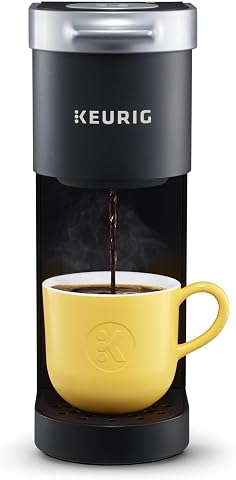
Keurig K-Mini Single Serve K-Cup Pod Coffee Maker
- ✔ Width: Less than 5 inches
- ✔ Brew Sizes: 6-12oz
- ✔ Mug Compatibility: Travel mug up to 7 inches
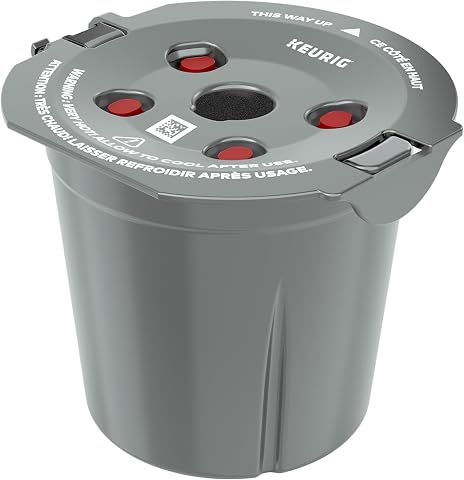
My K-Cup® Reusable Coffee Filter
- ✔ Type: Reusable filter
- ✔ Compatibility: Keurig models including K-Mini
- ✔ Material: BPA-free plastic
Keurig K-Mini Single Serve K-Cup Pod Coffee Maker
The Keurig K-Mini Single Serve K-Cup Pod Coffee Maker is an excellent choice for those needing a space-saving and efficient coffee maker. Its simple design makes troubleshooting easier, and it brews quickly between 6-12oz. Regular maintenance can prevent brewing issues like not filling the cup fully.
Pros:
- Fits small spaces easily
- Brews in minutes
- Removable drip tray for travel mugs
- Compatible with My K-Cup reusable filter
Cons:
- Limited to 12oz brew size
- Requires frequent descaling
- No advanced features
Best for: Small kitchens, dorms, or offices needing quick coffee
Not ideal for: Users seeking larger capacity or advanced programmability
Bottom line: Compact, efficient, and easy to troubleshoot for everyday use.
My K-Cup® Reusable Coffee Filter
The My K-Cup® Reusable Coffee Filter allows you to brew your favorite ground coffee with your Keurig, offering a more economical and eco-friendly option. It’s compatible with the K-Mini and other models, making it a versatile addition to your coffee routine.
Pros:
- Brew with ground coffee
- Reusable and eco-friendly
- Easy to clean
- Compatible with multiple Keurig models
Cons:
- Requires filling and cleaning after each use
- Might slightly alter brew time
- Less convenient than pre-packaged pods
Best for: Coffee enthusiasts who prefer ground coffee options
Not ideal for: Those seeking quick, pod-based convenience
Bottom line: An eco-friendly alternative that enhances your coffee options.
Frequently Asked Questions
Why is my Keurig not brewing a full cup?
Common reasons include mineral buildup, clogged needles, or low water reservoir levels. Regular descaling and cleaning can help restore full brewing capacity.
How often should I descale my Keurig?
It’s recommended to descale your Keurig every 3-6 months, depending on your water hardness and usage frequency.
Can I use my own ground coffee in the Keurig?
Yes, with a reusable filter like the My K-Cup, you can brew your favorite ground coffee instead of disposable K-Cups.
What safety precautions should I take when cleaning my Keurig?
Always unplug your Keurig before cleaning or descaling. Use gentle tools to clean needles and avoid harsh chemicals not designed for coffee makers.
Keep Your Keurig Brewing Perfect Cups
By following these troubleshooting steps and maintaining your Keurig regularly, you can prevent issues like not brewing a full cup. Proper cleaning, descaling, and careful inspection can extend the life of your coffee maker and ensure every brew is just right. A little routine care goes a long way in maintaining your favorite morning ritual.
Affiliate disclosure: As an Amazon Associate we earn from qualifying purchases. Prices and availability are accurate as of the time of publishing.
Halloween Picks
halloween
As an affiliate, we earn on qualifying purchases.