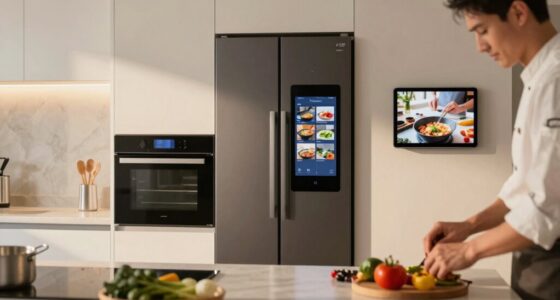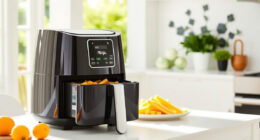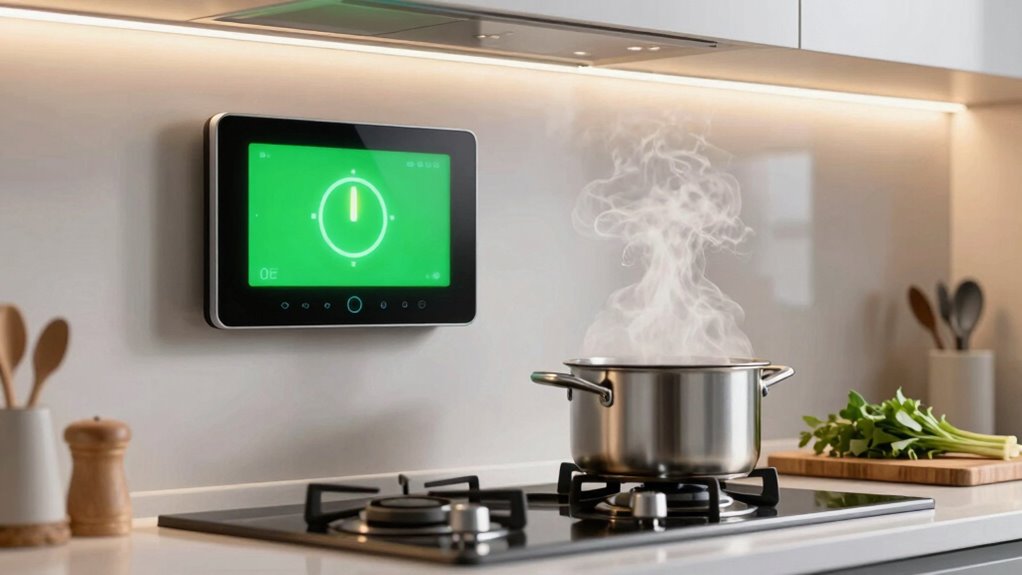
Kitchen notifications help you prevent overcooking and burnt meals by providing real-time alerts based on sensor data like temperature, moisture, and cooking duration. When your dish approaches its ideal point or risks overheating, you get instant updates through your smartphone or smart hub. This allows you to take quick action, avoid charring, and guarantee perfect results every time. Keep exploring to discover how this smart approach transforms your cooking experience even further.
Open a free Amazon Business account
Business pricing, bulk buying and tax-exempt orders.
As an affiliate, we earn on qualifying purchases.
Key Takeaways
- Real-time sensor data alerts prevent overcooking by notifying when optimal temperature or moisture levels are reached.
- Automated notifications activate before dishes burn or boil over, enabling timely intervention.
- Customizable alerts set specific cooking parameters tailored to each recipe and personal preferences.
- Notifications act as virtual assistants, monitoring multiple dishes simultaneously to avoid accidental overcooking.
- Integration with smart kitchen systems ensures continuous oversight, reducing the risk of burnt meals.
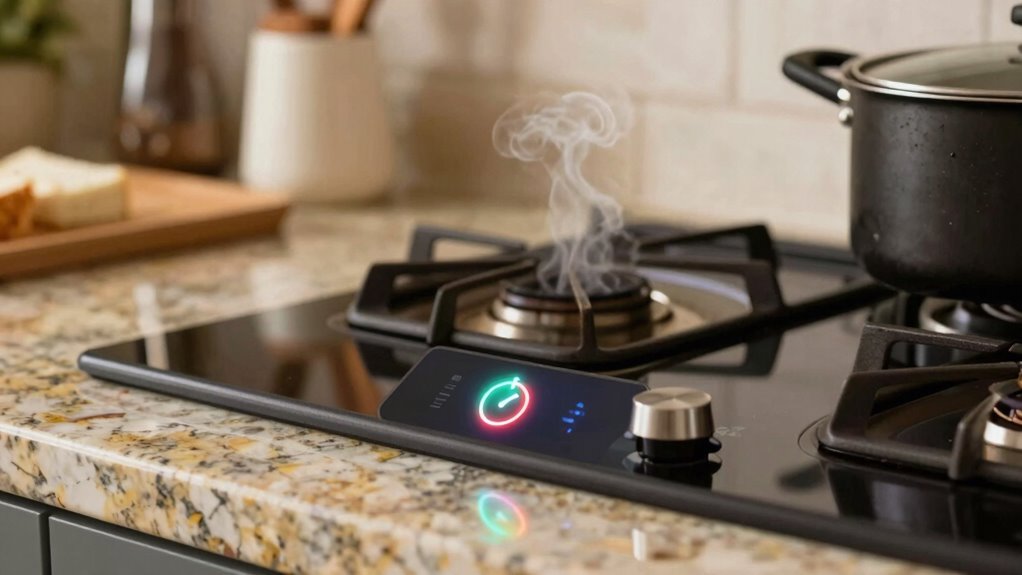
Overcooking can easily ruin a meal, but with the right kitchen notifications, you can stay on top of your cooking process and prevent it from happening. Modern kitchen technology, especially smart sensors and automated alerts, makes this possible. These tools monitor your cooking in real-time, giving you timely updates so you can act before your food turns into a burnt mess. When you’re juggling multiple dishes or multitasking around the house, it’s easy to lose track of what’s on the stove or in the oven. That’s where smart sensors come in—they detect temperature changes, moisture levels, and cooking duration, providing a precise picture of what’s happening in your cookware.
Smart sensors monitor temperature, moisture, and time to prevent overcooking and keep your meals perfect.
Once the sensors pick up that a dish is nearing its ideal cooking point or if it’s about to overheat, automated alerts immediately notify you. These alerts can come through your smartphone, smart home hub, or even a dedicated kitchen display. Imagine being in the living room, engrossed in a movie, and hearing a gentle chime that signals your sauce needs attention. Instead of risking a boil-over or a charred bottom, you’re empowered to intervene just in time. This seamless communication between sensors and alerts reduces the chances of overcooking and burns, saving you time, energy, and the frustration of ruined meals.
What makes these notifications even more effective is their customization. You can set specific parameters for each dish—like temperature thresholds or timing—so alerts are tailored to your cooking style. For example, you might set a notification for when your roast reaches a certain internal temperature or when your rice has cooked for the perfect amount of time. This personalized approach prevents guesswork and helps you develop better cooking habits. Over time, you’ll find it easier to nail your recipes, knowing that technology has your back with precise, real-time information.
Additionally, the automation of alerts pushes you to focus on other tasks without constantly checking your stove. It’s like having a virtual sous-chef watching over your meal. You no longer need to worry about sticking around every second or risking overcooking because your smart kitchen system has your back. These notifications streamline your cooking process, making it more reliable and less stressful. Smart sensors and alerts enhance your overall kitchen efficiency by providing real-time data that helps you make informed decisions. Ultimately, by leveraging smart sensors and automated alerts, you’re not just preventing overcooked meals—you’re transforming your entire kitchen experience into a more efficient, confident, and enjoyable activity.
By incorporating indoor air quality monitoring into your smart kitchen setup, you can also ensure that your cooking environment remains healthy and fresh.
smart kitchen temperature sensors
As an affiliate, we earn on qualifying purchases.
As an affiliate, we earn on qualifying purchases.
Frequently Asked Questions
Can Kitchen Notifications Be Customized for Different Recipes?
Yes, kitchen notifications can be customized for different recipes. You can personalize alerts based on specific cooking steps or ingredients, making recipe personalization easy. With alert customization, you choose when and how you get notifications, ensuring you don’t miss critical moments like boiling, simmering, or baking times. This tailored approach helps you stay on top of each recipe, preventing overcooking or burning, and making meal prep more efficient and stress-free.
Are Kitchen Notifications Compatible With All Smart Home Devices?
Surprisingly, kitchen notifications aren’t compatible with all smart home devices, despite their clever promises. You’ll want to check device integration carefully, as some systems might leave you hanging when it comes to notification accuracy. While many popular gadgets work seamlessly, others can cause frustration with missed alerts or delays. So, don’t assume universal compatibility—verify your devices’ compatibility first to make certain your notifications help prevent overcooking, not add to your kitchen chaos.
How Long Do the Notifications Typically Alert Before Food Is Overdone?
Typically, kitchen notifications alert you within a few minutes before your food is overdone, giving you time to adjust and maintain cooking precision. Their reliability depends on the device, but most modern systems are designed to deliver timely alerts. You can usually customize notification timing to suit your cooking style, ensuring you stay ahead of overcooking. Reliable notifications help you manage your meal’s progress and avoid burnt or undercooked dishes.
Do Notifications Work in Noisy or Busy Kitchen Environments?
Yes, notifications can still work in noisy or busy kitchens if they have good alert accuracy and noise interference mitigation. Modern kitchen devices often use visual signals or vibrations to overcome background noise, ensuring you don’t miss important alerts. While loud environments might sometimes cause minor delays, high-quality systems are designed to maintain reliable notifications, helping you prevent overcooking or burning regardless of the kitchen’s activity level.
Can Notifications Be Silenced or Muted During Certain Hours?
Yes, you can silence or mute notifications during specific hours. Most kitchen notification systems feature silent mode and scheduled muting options, allowing you to set preferred times when alerts are muted. You just need to enable scheduled muting in the settings and choose the hours you want notifications to be silenced. This way, you avoid distractions during quiet times or important moments, ensuring your focus stays on cooking without missing critical alerts.
kitchen notification alert system
As an affiliate, we earn on qualifying purchases.
As an affiliate, we earn on qualifying purchases.
Conclusion
Kitchen notifications keep cooking concerns clear and cravings satisfied. By boosting awareness and banishing burnt bites, these alerts actively assist in avoiding overcooking accidents. With timely tips and tech tricks, you’ll tame tedium and tackle turnovers with confidence. Embrace these helpful hints, harness the power of notifications, and enjoy effortless, excellent eats every time. Keep your kitchen calm, controlled, and craving-worthy — because with notifications, you’ll never miss that perfect plate!
As an affiliate, we earn on qualifying purchases.
As an affiliate, we earn on qualifying purchases.
Fall Picks
fall essentials
As an affiliate, we earn on qualifying purchases.