
🔍 Read the full analysis: Choosing A Pizza Oven For Home: What Actually Matters on Mad Tasting

Get kitchen gear delivered free — and shop member deals
- Fast, free delivery on millions of items
- Access to Prime Big Deal Days deals on October 6–7
- Prime Video, Amazon Music and more included
TL;DR
Selecting the right home pizza oven depends on how you cook, your space, and your preferences. Focus on fuel, heat recovery, and capacity rather than just maximum temperature. Matching the oven to your pizza style ensures better results and more enjoyment.
Choosing a home pizza oven requires understanding which features genuinely influence pizza quality and usability. The most advertised maximum temperature is less important than heat distribution, recovery, and how well the oven matches your cooking style. This guide clarifies which factors matter most for home cooks aiming for restaurant-quality results.
Most shoppers focus on a pizza oven’s maximum temperature, but this number is often misleading. For example, using a pizza oven temperature gun can help ensure accurate readings. What truly determines a good pizza is how evenly the oven heats and how quickly it recovers after each pizza. For example, an oven claiming 950°F that drops 200°F when cold dough is added will hinder continuous cooking and frustrate users. Instead, focus on features like independent top and bottom heat controls, heat recovery capability, and surface evenness.
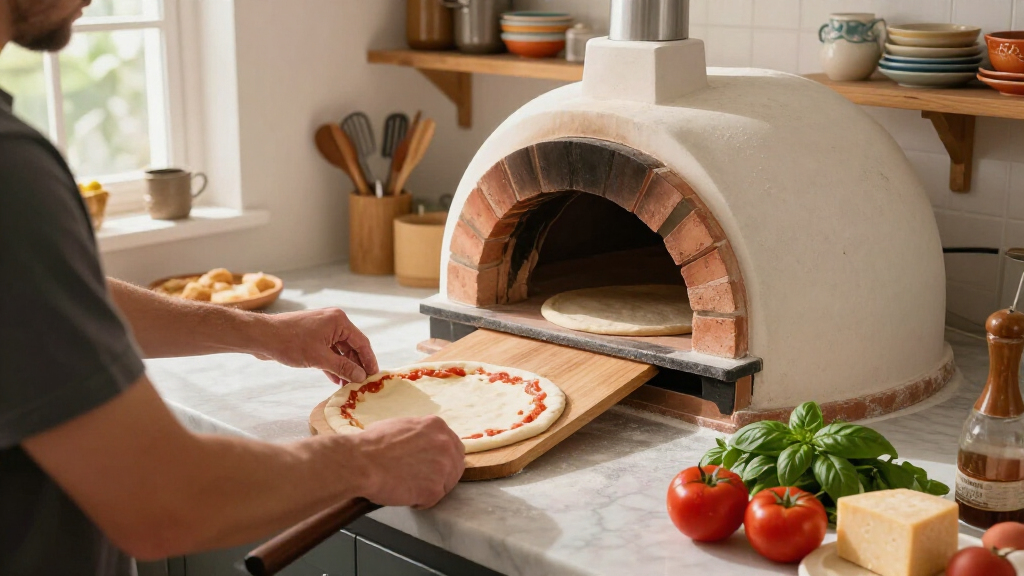
Fuel type is another key consideration. Electric ovens are simple and suitable for indoor use, especially for beginners or small kitchens, but often have lower maximum temperatures. Gas ovens heat quickly and are versatile for outdoor use, offering precise control. Wood-fired ovens provide authentic smoke flavor and traditional appeal but require more management and cleanup. Multi-fuel options exist but tend to be more expensive and complex. Matching the fuel to your environment and willingness to manage fire is essential.
Pizza style influences oven choice. Neapolitan-style pizzas need very high heat (750–900°F) and quick baking times (60–90 seconds). Conversely, thicker pan or New York-style pies bake better at lower temperatures (450–550°F) over longer periods. Capacity also matters: a small oven suits personal use, while larger surfaces facilitate cooking multiple pizzas quickly, especially for gatherings or weekly routines.
Additional costs often hidden behind the sticker price include accessories like pizza peels, stands, covers, and fuel expenses. Proper preheating, heat management, and oven size all impact the overall experience and cost of ownership. To optimize your setup, consider finding the best pizza oven stand with wheels for easier handling. Understanding these factors helps consumers avoid ovens that become clutter or underperform, ensuring the investment enhances their cooking routine. Check out waterproof pizza oven covers to protect your equipment.
Choosing A Pizza Oven For Home: What Actually Matters
Maximum temperature is the most advertised number — and the most misleading. Heat distribution, recovery speed, and fuel fit determine whether your pizzas turn out restaurant-quality or frustratingly uneven.
“What truly determines a good pizza is how evenly the oven heats and how quickly it recovers after each pizza.”
— Mad TastingPeak Temperature Is the Least Important Big Number
An oven claiming 950°F that drops 200°F when cold dough is added will hinder continuous cooking. Focus on the factors below instead of the headline figure on the box.
Maximum Temperature
A marketing headline. High peak heat means nothing if the oven can’t hold it. Verify real readings with an infrared thermometer (temperature gun) before trusting any claim.
Distribution, Recovery & Control
Even surface heating, fast recovery between pizzas, and independent top/bottom heat controls are what professionals judge — and what determines your results at home.
Match the Fuel to Your Space and Style
Electric for indoor ease, gas for quick control, wood for tradition. Multi-fuel options offer flexibility but add cost and complexity.
| Fuel Type | Best For | Heat-Up | Flavor | Effort | Indoor OK? |
|---|---|---|---|---|---|
| Electric | Beginners, small kitchens | Moderate | Neutral | Minimal | ✓ Yes |
| Gas | Outdoor versatility, precise control | Fast | Clean | Low | ✗ No |
| Wood-Fired | Authentic Neapolitan, traditionalists | Slow | Smoke · Best | High | ✗ No |
| Multi-Fuel | Flexible cooks, bigger budgets | Varies | Optional smoke | Moderate | ✗ No |
Bake to Your Style — Not the Hottest Claim
Neapolitan pies demand extreme heat and seconds-fast bakes. Thicker pan and New York styles perform better at lower temperatures over longer bakes.
Pan & New York Style
450–550°F · Longer Bakes
Thicker crusts, more cheese, steady moderate heat.Neapolitan Style
750–900°F · 60–90 Seconds
Blistered crust, leopard spotting, extreme heat.The Hidden Costs of Ownership
Peels & Tools
Pizza peels, cutters, and turning tools are rarely included. Budget for them before checkout.
Stands & Bases
A wheeled stand makes handling heavy ovens far easier — an often-overlooked essential.
Covers & Fuel
Waterproof covers protect your investment; ongoing fuel expenses add up over years of use.
Your Decision Path to the Right Oven
Define Your Style
Neapolitan or pan? Your target style sets the temperature range you actually need.
Assess Space & Fuel
Indoor electric ease, outdoor gas speed, or wood-fire tradition — match fuel to environment.
Test Performance
Use an infrared thermometer to check surface evenness and heat recovery in reviews.
Buy with Confidence
See ovens in action at stores or shows, then invest in the model that fits your routine.
Frequently Asked
Is maximum temperature the most important factor?
No. Even heating, quick recovery after baking, and fit with your pizza style matter far more than peak temperature claims.
Electric, gas, or wood-fired?
It depends on space and your willingness to manage fire. Electric is easiest indoors, gas offers quick control, wood delivers authentic flavor with more effort.
What features matter besides temperature?
Independent top and bottom heat controls, heat recovery capability, surface evenness, and adequate capacity for your gatherings.
What hidden costs should I expect?
Peels, stands, waterproof covers, and ongoing fuel. Proper preheating and heat management also affect long-term cost and experience.
Why Choosing the Right Pizza Oven Matters for Home Cooks
For home pizza enthusiasts, selecting an oven that aligns with their style and frequency of use directly impacts the quality of their pizzas and overall satisfaction. An oven that cannot maintain even temperatures or recover quickly can lead to inconsistent results, frustrating cooks and wasting money. Proper matching of oven features to pizza style ensures better crusts, toppings, and overall experience, making pizza nights more enjoyable and less stressful.
Furthermore, understanding the true performance factors prevents buyers from overpaying for features that won’t improve their results. It also encourages responsible purchasing, reducing waste and ensuring the oven fits into their cooking routine without becoming an unused clutter piece. Ultimately, choosing wisely enhances both the craft of pizza-making and the pleasure of sharing homemade pies.
As an affiliate, we earn on qualifying purchases.
Background on Home Pizza Oven Selection
Over recent years, the home pizza oven market has expanded with a variety of models, from compact electric appliances to large outdoor wood-fired setups. Many guides emphasize maximum temperature as the key metric, often leading consumers to prioritize that number over actual performance factors like heat distribution and recovery. In professional pizzerias, chefs focus less on peak temperature and more on even heat, quick recovery, and control, principles that apply equally to home use.
Historically, Neapolitan pizzerias operate at around 850°F, emphasizing fast, evenly baked pies. Home users, however, often struggle to replicate this due to differences in oven design, fuel, and size. Recent advancements include multi-fuel options and improved insulation, but the core principles of heat management remain vital. Consumers have become more aware that the best oven is one that matches their pizza style, space, and willingness to manage fire or fuel.
Despite this, many shopping guides still rely heavily on maximum temperature as the primary ranking factor, which can be misleading. Recognizing the importance of heat recovery, evenness, and control has become essential for making an informed purchase.
“Most shoppers focus on a pizza oven’s maximum temperature, but this number is often misleading. What truly determines a good pizza is how evenly the oven heats and how quickly it recovers after each pizza.”
— Mad Tasting
As an affiliate, we earn on qualifying purchases.
What Aspects of Home Pizza Ovens Still Need Clarification
While the article clarifies key performance factors, some details remain uncertain. For example, the long-term durability of multi-fuel ovens under frequent use is not well-documented. Additionally, the actual cost savings of high-end models versus budget options over years of use are difficult to quantify without extensive comparative data. The impact of oven size and insulation quality on heat retention and recovery in real-world scenarios also varies between models and brands, making precise recommendations challenging.
Furthermore, consumer preferences for ease of use versus authenticity can influence what features are most desirable, but these subjective factors are less quantifiable. As new models and technologies emerge, ongoing testing and user feedback will be necessary to refine guidance on what truly matters in home pizza ovens.
As an affiliate, we earn on qualifying purchases.
Next Steps for Consumers Considering a Home Pizza Oven
Consumers should evaluate their typical pizza style, space, and willingness to manage fuel sources before purchasing. Testing ovens with a reliable infrared thermometer to check surface evenness and heat recovery can significantly improve satisfaction. Consulting detailed reviews that emphasize performance over maximum temperature will help identify models with better heat management.
Future developments may include more affordable multi-fuel options, improved insulation, and smarter controls that simplify heat management. As the market evolves, staying informed about these innovations will help buyers select the best oven for their needs. Visiting stores or shows to see ovens in action and seeking expert advice can also ensure a more confident purchase.
Ultimately, choosing an oven that matches your pizza style and lifestyle will lead to more consistent, enjoyable results and a more satisfying home pizza experience.
As an affiliate, we earn on qualifying purchases.
Key Questions
Is maximum temperature the most important factor when choosing a pizza oven?
No, maximum temperature is less important than how evenly the oven heats, how quickly it recovers after baking, and whether it matches your pizza style. Focus on heat distribution and control features instead.
Should I choose an electric, gas, or wood-fired oven?
This depends on your space, cooking preferences, and willingness to manage fire or fuel. Electric ovens are easiest for indoor use, gas offers quick heat and control, and wood provides authentic flavor but requires more effort and safety measures.
What features should I look for besides maximum temperature?
Look for independent top and bottom heat controls, good heat recovery, surface evenness, capacity suited to your needs, and ease of preheating. These factors influence the quality and consistency of your pizza more than peak temperature alone.
How do I know if an oven can handle multiple pizzas in a row?
Check if the oven has good heat recovery capabilities and even heat distribution. Using an infrared thermometer to test surface temperature and recovery time can help determine if it can sustain continuous baking without performance loss.
Are multi-fuel ovens worth the extra cost?
Multi-fuel ovens offer flexibility but tend to be more expensive and complex to operate. They are best suited for enthusiasts who want to experiment with different fuels and are willing to manage the additional maintenance and cost.
Source: Mad Tasting
Evergreen bestsellers Picks
bestsellers
As an affiliate, we earn on qualifying purchases.