
TL;DR

Get kitchen gear delivered free with Prime
- Fast, free delivery on millions of items
- Prime Video, Amazon Music and more included
- Member-only deals all year
Compact electric lunch boxes let you warm meals anywhere in just 15-30 minutes. They’re lightweight, safe, and increasingly smart, perfect for busy lifestyles and travel. Choosing the right one depends on size, safety features, and power options.
Imagine opening your bag and pulling out a steaming, freshly heated meal—no microwave, no fuss. That’s the promise of compact electric lunch boxes. These little marvels pack a punch, offering hot meals wherever you are. Whether you’re a busy professional, a student, or an outdoor enthusiast, they bring the comfort of home cooking to your daily routine.
In this article, you’ll discover what makes these portable warmers tick, what to look for when choosing one, and how recent tech trends make them smarter and safer. Get ready to upgrade your lunch game—your taste buds will thank you.
Choose a size that fits your typical meals—0.5 to 1.5 liters covers most needs.
Look for safety features like auto shut-off and leak-proof seals.
Smart models with app controls are increasingly popular but check compatibility first.
Most meals heat in under 30 minutes, making them perfect for quick lunches.
Prioritize materials and power options that match your lifestyle—USB, AC, or rechargeable batteries.
Why Compact Electric Lunch Boxes Are a Game-Changer
These lunch boxes are more than just containers—they’re mini kitchen appliances you carry in your bag. Designed to be lightweight and compact, they fit in backpacks or briefcases easily. A typical size is between 0.5 to 1.5 liters, enough for a hearty meal or leftovers.
Imagine a busy morning at work. You pack your favorite pasta in your electric lunch box. By lunchtime, it’s hot, steaming, and ready to eat—no microwave needed. This convenience saves time and keeps your meal fresh and flavorful. Plus, they’re perfect for outdoor adventures, where traditional heating options aren’t available.
Beyond convenience, these devices also impact your daily routine by reducing reliance on communal microwave facilities and cutting down on disposable containers. Their portability encourages healthier eating habits, as you control ingredients and portion sizes. However, tradeoffs include limited capacity and the need for power sources, which might restrict usage in certain environments. Understanding these implications helps you choose a model that truly fits your lifestyle and minimizes inconvenience while maximizing benefits.
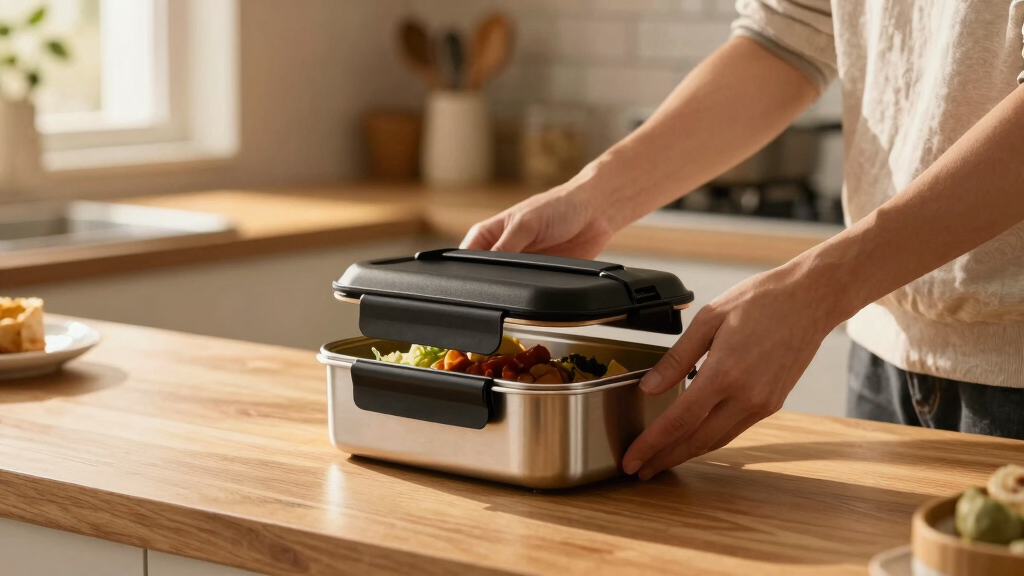
compact electric lunch box with auto shut-off
As an affiliate, we earn on qualifying purchases.
As an affiliate, we earn on qualifying purchases.
What Features Make a Good Electric Lunch Box?
Not all electric lunch boxes are created equal. Here’s what to look for:
- Size and capacity: 0.5 to 1.5 liters covers single meals or leftovers. Choosing the right capacity depends on your typical meal size; too small, and you’ll need multiple trips, too large, and it becomes bulky. Consider your usual portion to strike a balance between convenience and portability.
- Heating method: Look for models with reliable heating elements, either from AC outlets or USB ports. The quality of the heating element affects how evenly and quickly your food warms. Inferior elements can lead to uneven heating, risking food safety or leaving parts cold. This impacts your experience—ineffective heating can mean cold spots that compromise food safety or taste, leading to waste or dissatisfaction. Reliable heating methods ensure consistent results, which is essential for maintaining the quality and safety of your meals.
- Material: Food-grade plastics or stainless steel ensure safety and durability. The choice influences not just safety but also maintenance and longevity. Stainless steel, for example, resists stains and odors better but may be heavier. The material affects how well the device withstands daily use and how easy it is to clean, directly impacting your convenience and the device’s lifespan.
- Power options: Models with dual voltage or car adapters boost versatility, allowing use in various environments—office, car, or outdoors. This flexibility expands where and when you can enjoy hot meals, but it also introduces tradeoffs in size and complexity. For instance, a model with multiple power options might be bulkier or more expensive, but offers unmatched convenience for on-the-go lifestyles, ensuring you can always have a hot meal regardless of setting.
- Ease of cleaning: Removable inner containers make cleanup simple, which is vital for hygiene and device longevity. Poorly designed containers can trap food residues, leading to bacteria growth and odors. Easy-to-clean parts help maintain hygiene and prevent buildup, which is crucial for health and prolonging the device’s usability.
- Safety features: Auto shut-off and leak-proof seals prevent accidents. These features are critical for avoiding electrical hazards and messes, especially in portable settings where spills are more likely. Investing in models with these safety measures reduces risks and ensures peace of mind. Safety features also protect your investment—preventing damage from overheating or spills extends the lifespan of your device and maintains its performance over time.
For example, a professional who commutes might prefer a USB-powered model for their office, while an outdoor hiker might choose one with a rechargeable battery and car plug. Recognizing the tradeoffs—such as weight versus power capacity—helps you select a device aligned with your priorities and environment.
As an affiliate, we earn on qualifying purchases.
Latest Tech Trends Making Them Smarter and Safer
Smart electric lunch boxes are changing the game. Many now connect to smartphone apps, letting you control temperature, set timers, or receive alerts when your food is ready. This integration enhances convenience by allowing you to start heating your meal remotely, ensuring it’s ready when you arrive—saving you time and reducing guesswork. The ability to remotely monitor and control your lunch box means you can optimize heating cycles, conserve energy, and prevent overcooking or overheating, which can damage the device or compromise food safety.
Enhanced insulation keeps food hot for hours, even if your day gets busy, which is crucial for maintaining food safety and quality. Some models combine steaming or cooking functions, turning them into mini cookers—this multifunctionality can replace multiple kitchen appliances and save space. Eco-friendly materials, like BPA-free plastics, appeal to those mindful of sustainability, but also often come with tradeoffs in durability or cost. USB-powered models are gaining popularity, offering portable, energy-efficient heating perfect for office or travel use. These innovations not only improve user experience but also reflect a shift towards more sustainable and connected kitchen solutions, making them safer and more adaptable to modern lifestyles.
As an affiliate, we earn on qualifying purchases.
How Long Do They Take to Heat Your Meal?
Most compact electric lunch boxes heat food in 15 to 30 minutes. The exact time depends on factors such as initial food temperature, type, and capacity. For instance, a cold pasta dish might take closer to 30 minutes to reach a satisfying temperature, whereas leftovers from dinner, already warm, might only need 15 minutes to become piping hot.
Understanding these timing nuances helps you plan your meal better. For example, packing a bowl of chili before leaving home and knowing it will be ready by the time you arrive at work allows for a more relaxed lunch and reduces the need for pre-heating or waiting. This efficiency can also influence your choice of model—some with faster heating times or better insulation may better suit your schedule, making your lunch routine smoother and more predictable.
small heated lunch box for students
As an affiliate, we earn on qualifying purchases.
As an affiliate, we earn on qualifying purchases.
Comparison Table: Electric Lunch Boxes vs Traditional Lunch Containers
| Feature | Electric Lunch Box | Traditional Container |
|---|---|---|
| Heating | Built-in heater, warms in 15-30 mins | No heating; needs microwave or stove |
| Portability | Lightweight, fits in bags | Simple, no power needed |
| Food safety | Food-grade materials, leak-proof | Depends on container quality |
| Convenience | Warm meals anywhere, anytime | Limited to microwave or stove access |
| Price range | $30-$120 | Usually cheaper, $10-$50 |
In short, electric lunch boxes offer unmatched convenience for on-the-go warm meals, but at a higher price. Consider whether the added flexibility and functionality align with your needs and budget, as the investment can significantly enhance your daily routine but also involves tradeoffs in cost and complexity.
Safety Tips for Using Your Electric Lunch Box
Safety should be your top priority. Always use the device as instructed. Make sure to power off and unplug after heating. Never overfill or heat foods that spill easily. Keep the device on a flat, stable surface, away from water or heat sources.
For example, avoid heating soups with loose lids that might spill or cause burns. Always check for cracks or damage before use, as compromised devices can pose electrical hazards. If you have children, keep the device out of their reach and supervise use to prevent accidental burns or spills. Regularly inspect the cord and plug for wear or damage—frayed wires increase the risk of electrical shock or fire.
Remember, a proper safety check and following manufacturer guidelines protect you from potential hazards. Investing time in understanding safety features like auto shut-off and leak-proof seals can prevent accidents and extend the lifespan of your device, ensuring consistent, safe operation.
Choosing the Right Model for Your Lifestyle
Picking the perfect electric lunch box depends on your daily routine. If you commute daily and want quick heating, opt for models with USB or car adapters that provide flexibility and convenience. For office use, a compact, mains-powered model with safety features makes sense, especially if you value simplicity and reliability. Outdoor lovers should prioritize rechargeable batteries and durable, rugged materials that withstand rough conditions and offer portability.
For example, a teacher might choose a small, simple model that’s easy to operate and clean, while a construction worker might prefer something rugged with multiple power options to handle different environments. Think about your typical meal size, how long you need it to stay hot, and where you’ll use it most—these factors will guide you in selecting a device that seamlessly integrates into your lifestyle, balancing convenience, safety, and durability.
Frequently Asked Questions
Are electric lunch boxes safe to use every day?
Yes, when used correctly and with safety features like auto shut-off. Proper usage includes following the manufacturer’s instructions, avoiding overfilling, and ensuring foods are stored safely before heating. Regular maintenance and inspecting for damage further enhance safety, making daily use both feasible and secure.
Can I heat liquids in my electric lunch box?
Yes, but with caution. Liquids like soups and stews heat well, but always use spill-proof lids to prevent leaks. Overfilling or heating overly viscous liquids can cause spills or overflows, which might damage the device or cause burns. Ensuring that the container is designed for liquids, and monitoring during heating, helps maintain safety and cleanliness.
How long do batteries last on USB or rechargeable models?
Battery life varies depending on the model and usage, but generally, most can heat a meal once or twice on a full charge, lasting about 1-2 hours of continuous operation. Frequent recharging or choosing models with larger battery capacities can extend usage time. Considering your typical meal size and schedule will help select a model that reliably meets your needs without frequent recharging.
What materials are safest for food contact?
Materials like BPA-free plastics, stainless steel, and food-grade silicone are considered safest for contact with food. These materials resist staining, odors, and leaching of harmful chemicals, especially when heated. Selecting devices made with these materials ensures your meals remain safe and free from unwanted contaminants.
Are electric lunch boxes eco-friendly?
Many models incorporate eco-friendly features, such as BPA-free plastics and energy-efficient heating elements. To maximize environmental benefits, choose devices with low power consumption and reuse the same container regularly to reduce waste. Proper maintenance and selecting durable, repairable models also extend lifespan, minimizing environmental impact over time.
Conclusion
A compact electric lunch box isn’t just a gadget—it’s a tiny revolution in how you enjoy meals on the move. Whether you crave hot leftovers at the park or a warm lunch at your desk, these devices make it effortless. The key is picking one that fits your routine, safety needs, and budget.
So, next time you’re packing your bag, think about adding this portable powerhouse. Your future self will thank you with every warm, satisfying bite.
Halloween Picks
halloween
As an affiliate, we earn on qualifying purchases.