
TL;DR

Get kitchen gear delivered free with Prime
- Fast, free delivery on millions of items
- Prime Video, Amazon Music and more included
- Member-only deals all year
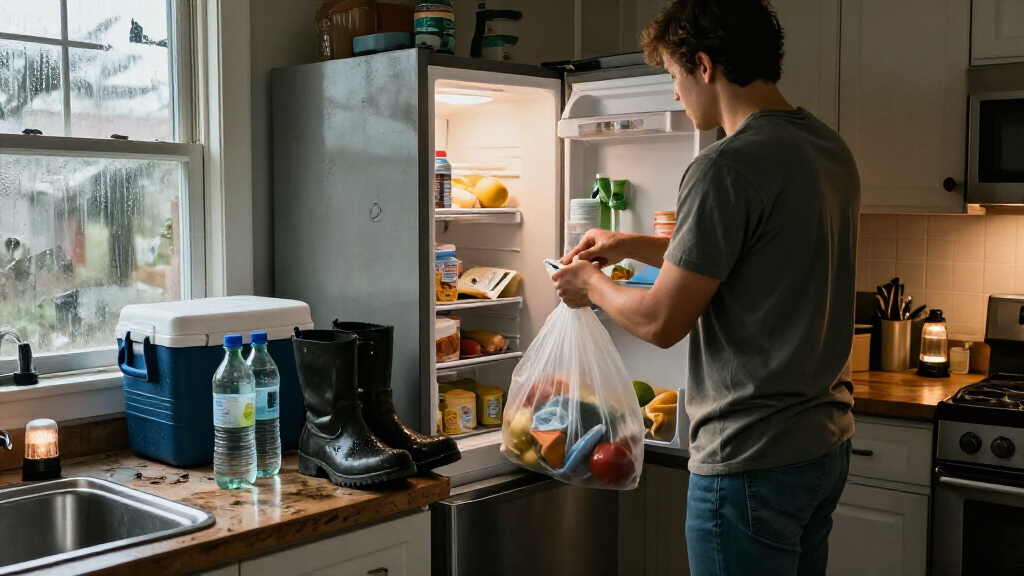
Food Safety News published guidance on Oct. 9, 2026, for managing food and utensils after hurricane flooding or extended power outages. It advises discarding food that may have contacted floodwater and refrigerated or frozen food after several days without power, and gives steps for cleaning certain metal and ceramic items.
Food Safety News published hurricane recovery guidance on Oct. 9 advising people to discard food that may have contacted floodwater and food kept in a refrigerator or freezer during a power outage lasting several days. The recommendations also cover drinking water and cleaning household items, addressing contamination risks that can persist after floodwaters recede or electricity returns.
The report says never taste food to determine whether it is safe. If power has been out for several days, it advises throwing away food in the refrigerator and freezer. It points readers to a separate chart for decisions about food after a prolonged outage; the source does not reproduce that chart’s item-by-item guidance.
For drinking, the report recommends bottled water or other beverages that have not contacted floodwater. It warns that screw caps are not waterproof and says to discard bottled drinks that may have been exposed. If bottled water is unavailable, it directs readers to learn safe methods for boiling or disinfecting water.
Food in packaging that is not waterproof should be discarded if it may have been in contact with floodwater. The report identifies screw-cap, snap-lid, pull-top and crimped-cap containers as non-waterproof. It says undamaged, commercially prepared foods in all-metal cans and retort pouches may be saved by following the U.S. Department of Agriculture’s Food Safety and Inspection Service guidance for severe storms and hurricanes.
Protecting Food After Flooding
Floodwater can reach food, packaging and kitchen items used in meal preparation, while an extended outage can leave refrigerated and frozen food without reliable temperature control. The report’s advice gives households practical ways to reduce the chance of consuming contaminated food or using items that cannot be cleaned safely.
The guidance also distinguishes between items that may be recoverable and those it says to discard. Undamaged metal cans and retort pouches may be retained under FSIS cleaning guidance, while wooden cutting boards, plastic utensils, baby bottle nipples and pacifiers exposed to floodwater should be thrown away. Those distinctions matter when households are trying to determine what is safe to keep during cleanup.
food safety floodwater contamination test kits
As an affiliate, we earn on qualifying purchases.
As an affiliate, we earn on qualifying purchases.
Outage and Floodwater Guidance
The Oct. 9 report focuses on two post-hurricane hazards: loss of electrical power and possible contact with floodwater. These situations require different decisions. The report gives a broad discard recommendation for refrigerator and freezer food after several days without power, and separate packaging and cleaning advice for items exposed to floodwater.
For metal pans, utensils and ceramic dishes that contacted floodwater, it recommends washing thoroughly with hot, soapy water and rinsing. Then sanitize by boiling in clean water or immersing the items for 15 minutes in a solution of one tablespoon of unscented liquid chlorine bleach per gallon of drinking water. The source does not provide detailed instructions for every household item or every kind of water emergency.
“Never taste a food to determine its safety.”
— Food Safety News
waterproof food storage containers
As an affiliate, we earn on qualifying purchases.
As an affiliate, we earn on qualifying purchases.
Details That Depend on Exposure
The source does not specify how long individual refrigerated or frozen foods remain safe under different outage conditions; it refers readers to a separate chart. It also does not state whether a particular item was exposed to floodwater or give case-specific advice for assessing uncertain contamination. When exposure is unclear, the report advises discarding food that may have contacted floodwater rather than tasting it.
The report’s cleaning directions apply to the listed metal and ceramic items, but it does not address every material or household situation. Local water conditions, access to safe drinking water and the length of a power outage can vary. The article provides contact details for USDA’s Meat and Poultry Hotline and Ask USDA, but does not report any new official emergency order or local advisory.
food-grade disinfectant for kitchen utensils
As an affiliate, we earn on qualifying purchases.
As an affiliate, we earn on qualifying purchases.
Check Official Safety Guidance
People assessing food after a hurricane can consult the FSIS Consumer’s Guide to Food Safety: Severe Storms and Hurricanes for instructions on commercially prepared foods and the referenced outage chart for additional discard decisions. The report lists the USDA Meat and Poultry Hotline at 1-888-674-6854, available Monday through Friday from 10 a.m. to 6 p.m. Eastern time in English or Spanish. Questions can also be sent to MPHotline@usda.gov or submitted through Ask USDA.
The report does not identify a subsequent update or a specific future milestone. Its immediate advice is to avoid tasting questionable food, use drinking water and beverages not exposed to floodwater, and follow the relevant federal guidance when deciding what can be kept.
emergency water purification tablets
As an affiliate, we earn on qualifying purchases.
As an affiliate, we earn on qualifying purchases.
Key Questions
Should I taste food to see if it is safe after a hurricane?
No. Food Safety News says never to taste food to determine its safety. Follow official discard guidance instead.
What should I do with refrigerator and freezer food after several days without power?
The report advises throwing away food in the refrigerator and freezer if power has been out for several days. It points readers to a separate chart for further guidance on specific foods.
Can I keep food that contacted floodwater?
Discard food that is not in a waterproof container if it may have contacted floodwater. The report says undamaged, commercially prepared food in all-metal cans or retort pouches may be saved by following FSIS instructions.
How should I clean dishes and utensils exposed to floodwater?
Wash metal pans, utensils and ceramic dishes thoroughly with hot, soapy water and rinse them. Then boil them in clean water or immerse them for 15 minutes in a solution of one tablespoon of unscented liquid chlorine bleach per gallon of drinking water. Discard exposed wooden cutting boards, plastic utensils, baby bottle nipples and pacifiers.
Where can I ask USDA about food safety?
The report lists the Meat and Poultry Hotline at 1-888-674-6854, Monday through Friday, 10 a.m. to 6 p.m. Eastern time, in English or Spanish. It also lists MPHotline@usda.gov and Ask USDA live chat.
Source: rss
Halloween Picks
halloween
As an affiliate, we earn on qualifying purchases.