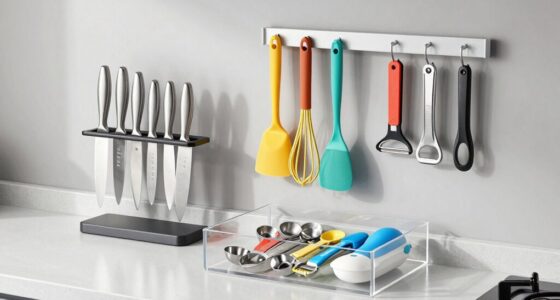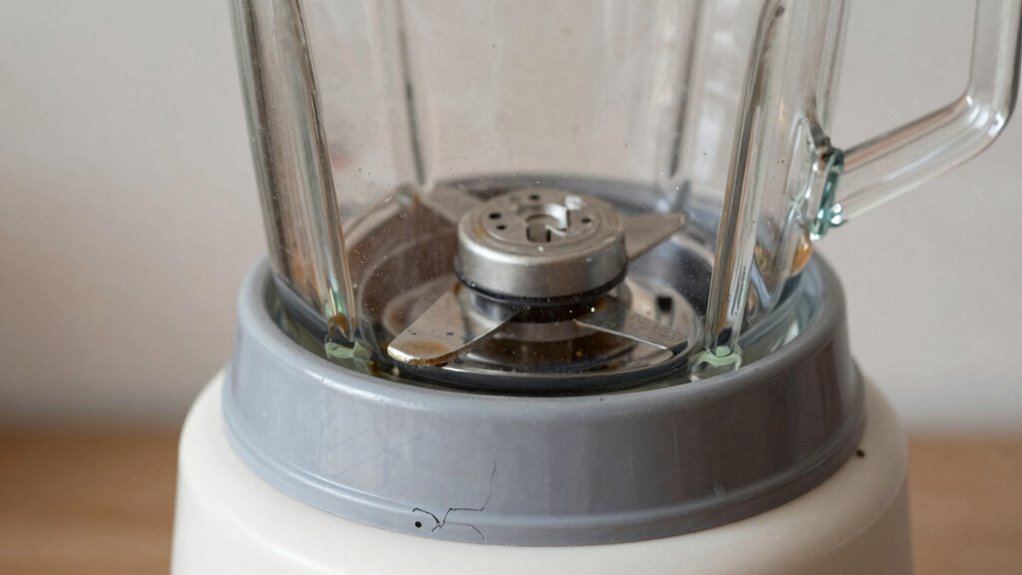

To spot wear and tear before your kitchen gadget fails, regularly inspect your appliances for cracks, rust, or tears in plastic and silicone parts, and check metal blades for dullness or rust. Listen for unusual noises and watch for wobbling or reduced performance, which can indicate internal issues. Address small problems early, like loose screws or buildup, to prevent bigger breakdowns. Keep an eye on signs of aging; if you stay vigilant, you’ll catch issues before they cause a full failure.

Get kitchen gear delivered free with Prime
- Fast, free delivery on millions of items
- Prime Video, Amazon Music and more included
- Member-only deals all year
Key Takeaways
- Regularly inspect plastic, silicone, and metal parts for cracks, discoloration, or corrosion.
- Listen for unusual noises or vibrations during operation indicating potential wear.
- Check for decreased performance, such as reduced blending speed or uneven chopping.
- Examine blades and moving parts for dullness, rust, or looseness.
- Follow maintenance guidelines to promptly address small issues like loose screws or buildup.
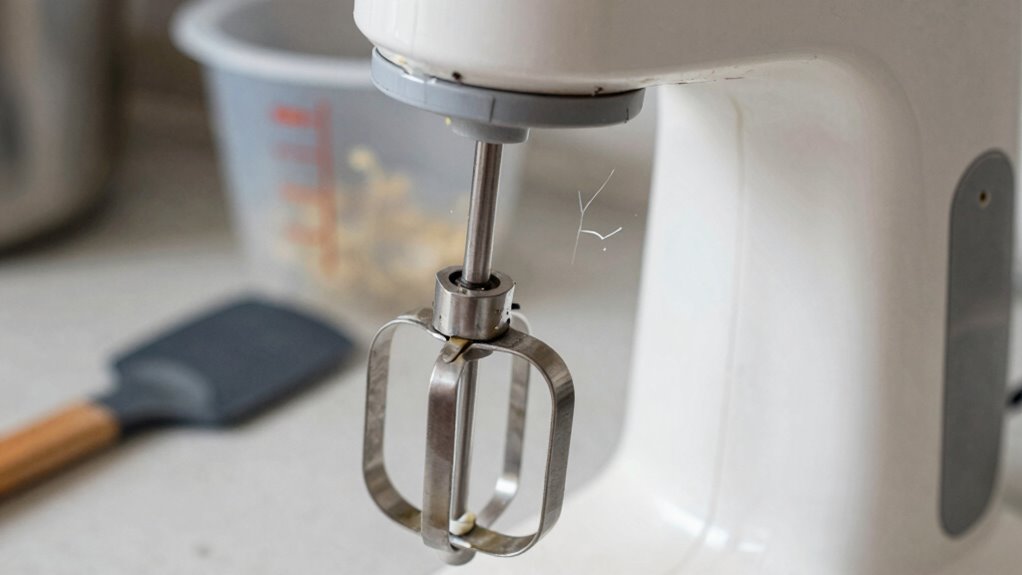
Ever wondered how you can prevent a kitchen gadget from suddenly breaking down? The key is spotting signs of wear and tear early, so you can address issues before they become costly or dangerous. One of the first things to check is the warranty coverage. Many appliances come with warranties that protect against manufacturing defects and early failures. Understanding the specifics of your warranty helps you know when to seek repairs or replacements without extra expense. Regularly reviewing the warranty details also encourages you to keep track of purchase dates and warranty expiration, so you’re always prepared to act quickly if needed.
Beyond warranty coverage, paying attention to material durability is vital. Kitchen gadgets are made from a range of materials—plastic, metal, silicone, and more—and each has its lifespan. For instance, plastic parts might crack or become brittle over time, especially with frequent use or exposure to heat and moisture. Metal components, like blades or blades hubs, can develop rust or become dull, reducing their effectiveness. Silicone parts may degrade or tear after extensive use. By regularly inspecting these materials, you can catch early signs of fatigue or damage, which often manifest as cracks, discoloration, or unusual sounds during operation.
Regularly inspect plastic, metal, and silicone parts for cracks, rust, or tears to prevent breakdowns.
When you’re using your gadgets, stay attentive to changes in their performance. If a blender starts making strange noises, or if a food processor isn’t chopping as finely as it used to, these are hints that components might be wearing out. Check for loose parts, wobbling blades, or any abnormal vibrations. Also, examine the exterior and internal parts for signs of corrosion, warping, or buildup that could impede function or signal deterioration. Sometimes, wear appears as a decrease in efficiency—failing to blend or chop as quickly as usual. These subtle cues are your warning signs, prompting you to think about repair or replacement before complete failure. Additionally, understanding material fatigue can help you better anticipate when parts may need replacement before total failure occurs.
Cleaning and proper maintenance play an essential role in extending the life of your kitchen gadgets. Regularly remove debris, avoid harsh abrasives, and follow manufacturer instructions to prevent unnecessary strain on parts. When you notice small issues like loose screws or frayed cords, address them promptly. Doing so not only preserves the material integrity but also minimizes the risk of safety hazards down the line. Remember, early intervention is often more cost-effective and safer, saving you from unexpected breakdowns in the middle of meal prep. By keeping a keen eye on warranty coverage and material durability, you guarantee your kitchen gadgets serve you well longer and stay reliable when you need them most.
kitchen appliance inspection tools
As an affiliate, we earn on qualifying purchases.
As an affiliate, we earn on qualifying purchases.
Frequently Asked Questions
Can I Repair Worn-Out Kitchen Gadgets Myself?
Yes, you can often repair worn-out kitchen gadgets yourself with some DIY fixes. Start by following maintenance tips like cleaning and inspecting parts regularly. For minor issues, tighten loose screws or replace worn-out components, which saves money and extends the gadget’s life. However, for electrical or complex repairs, it’s safer to consult a professional. Always unplug appliances before attempting repairs to avoid accidents.
How Often Should I Inspect My Kitchen Appliances for Wear?
You should inspect your kitchen appliances at least once a month. Incorporate regular cleaning schedules to catch early signs of wear, like loose parts or frayed cords. Use proper storage tips to prevent damage when appliances are not in use, reducing stress on components. Regular checks help you identify issues early, prolonging their lifespan and ensuring safe, efficient operation. Stay proactive for a well-functioning kitchen.
Are There Specific Signs of Electrical Failure in Gadgets?
Watch for warning signs like wavering power, weird noises, or unexpected shutdowns, which signal electrical symptoms of failure. These power issues often manifest as flickering lights, overheating, or a burning smell. If you notice any of these symptoms, unplug the gadget immediately. Regular inspections help catch electrical problems early, preventing potential hazards and costly repairs. Stay vigilant to guarantee your appliances remain safe and functional.
What Safety Precautions Should I Take During Maintenance?
During maintenance, always wear safety gear like gloves and goggles to protect yourself. Follow a thorough maintenance checklist to guarantee you don’t miss any essential steps. Unplug the gadget before inspecting or cleaning it, and avoid touching electrical components with wet hands. Keep your workspace dry and well-lit, and handle parts carefully to prevent injury. These precautions help keep you safe while maintaining your kitchen gadgets effectively.
When Is It Time to Replace a Kitchen Gadget Entirely?
You should consider replacing a kitchen gadget when its performance declines despite maintenance, or if it shows signs of significant wear and tear that compromise safety or efficiency. For maximum kitchen gadget longevity, follow the manufacturer’s recommended replacement timing, usually every few years. Don’t wait until it breaks completely—timely replacement ensures safety, better performance, and prevents potential accidents or damage to other appliances.
As an affiliate, we earn on qualifying purchases.
Conclusion
Keeping an eye on your kitchen gadgets can save you time and money. Regular inspection helps catch issues early, preventing unexpected breakdowns. Did you know that appliances often show signs of wear up to six months before failing? By staying vigilant, you can address problems early, ensuring your gadgets last longer and work more efficiently. A little maintenance now can save you from costly repairs later—so stay attentive and keep your kitchen running smoothly.
As an affiliate, we earn on qualifying purchases.
As an affiliate, we earn on qualifying purchases.
Halloween Picks
halloween
As an affiliate, we earn on qualifying purchases.