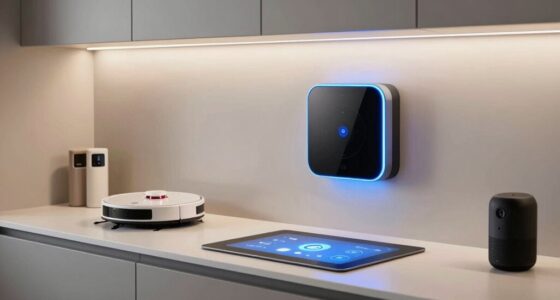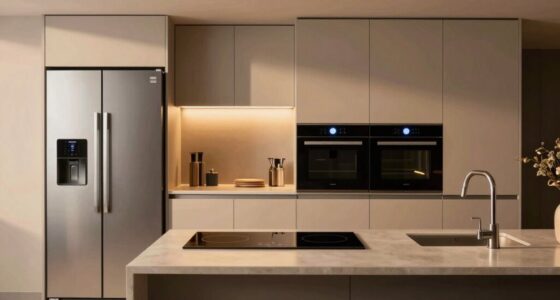

To avoid being fooled, focus on key features like energy efficiency labels such as ENERGY STAR and compare energy consumption figures to gauge long-term savings. Check connectivity options like Wi-Fi or Bluetooth, and guarantee compatibility with your smart home system. Security features and regular firmware updates are vital for safety. Pay attention to how features balance cost and benefits, and understanding these details helps you make smarter choices. Keep exploring to find out more tips.

Get kitchen gear delivered free — and shop member deals
- Fast, free delivery on millions of items
- Access to Prime Big Deal Days deals on October 6–7
- Prime Video, Amazon Music and more included
Key Takeaways
- Focus on verified features like ENERGY STAR labels and actual energy consumption data.
- Check for compatible connectivity options (Wi-Fi, Bluetooth, Zigbee) and app control capabilities.
- Ensure the device integrates smoothly with your existing smart home ecosystem and standards.
- Confirm security protocols and firmware update options to protect your network.
- Prioritize features offering long-term benefits, balancing cost, efficiency, and security.
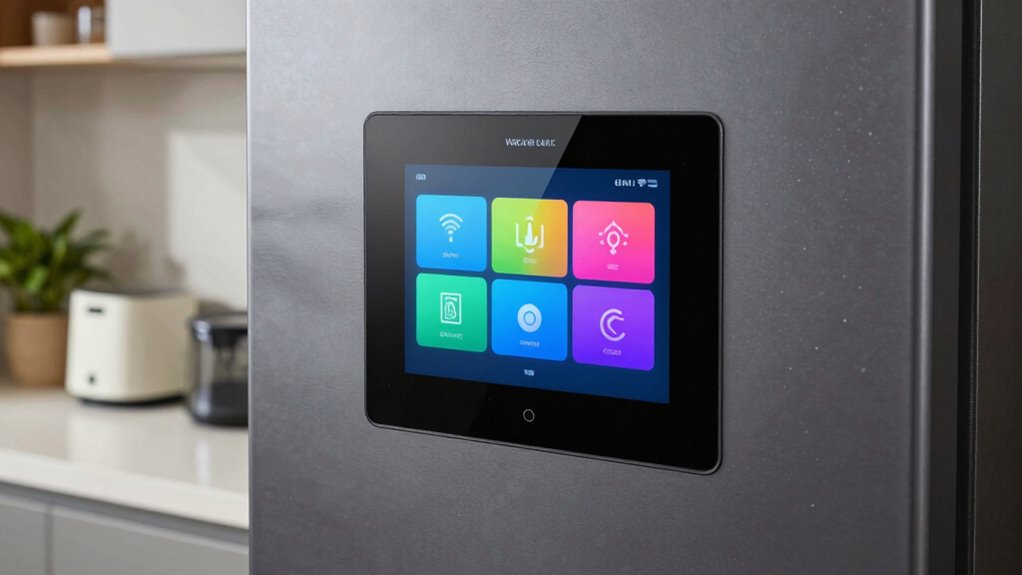
Understanding a smart appliance feature list can feel overwhelming at first, but it’s vital for choosing the right device for your needs. When you’re comparing models, pay close attention to features that highlight energy efficiency. These details tell you how much power the appliance consumes and whether it offers eco-friendly operations. Look for labels like “ENERGY STAR” or specific energy consumption figures—these help you determine if the device will save you money on utility bills over time. Remember, a more energy-efficient appliance might cost more upfront but can pay off in long-term savings and environmental benefits.
Prioritize energy efficiency features like ENERGY STAR labels to save money and benefit the environment long-term.
Connectivity options are equally important because they determine how well the appliance integrates with your existing smart home system. Check if the device supports Wi-Fi, Bluetooth, or Zigbee protocols—these dictate how easily you can control and monitor it remotely. Some appliances might offer app compatibility, voice assistant integration, or even compatibility with popular smart home hubs. Knowing what connectivity options are available ensures you won’t be left with a device that’s difficult to operate or doesn’t sync with your current setup. It’s also worth noting whether the appliance receives regular firmware updates, which can improve performance and security over time. Additionally, understanding the concept of interoperability can help you choose devices that work seamlessly together within your smart ecosystem, especially when considering network compatibility and integration standards. Being familiar with these smart home technologies can lead to a more cohesive and efficient smart home experience. It’s also helpful to consider whether the device supports security protocols, ensuring your smart home remains protected from potential threats.
As an affiliate, we earn on qualifying purchases.
Frequently Asked Questions
How Do Smart Appliances Protect My Privacy and Data Security?
Smart appliances protect your privacy and data security through data encryption, which scrambles your information so unauthorized users can’t access it. They also offer customizable privacy settings, allowing you to control what data is shared and with whom. By regularly updating your device’s software and reviewing privacy options, you guarantee your personal information stays secure, giving you peace of mind while enjoying the convenience of smart technology.
Can I Upgrade or Update the Features After Purchase?
Imagine your smart appliance as a living, evolving device. You can often upgrade or update features through firmware updates, which are like software patches that improve performance or add new functions. Many appliances also allow for feature customization, letting you tailor settings to your needs. Check the manufacturer’s instructions—most modern devices support these updates, keeping your appliance current without needing a replacement.
Are Smart Appliances Compatible With All Home Automation Systems?
Smart appliances aren’t compatible with all home automation systems. You’ll want to check if they support popular platforms like voice control assistants—Alexa, Google Assistant, or Apple HomeKit. This compatibility enhances voice control and boosts energy efficiency by allowing you to automate routines. Before buying, verify the appliance’s compatibility to guarantee seamless integration into your existing system, making your smart home more convenient and energy-efficient.
What Are Common Hidden Costs Associated With Smart Appliances?
You should watch out for hidden fees and installation costs when buying smart appliances. Manufacturers or retailers might charge extra for setup, integration, or extended warranties, which can surprise you later. Sometimes, you need professional installation to make certain proper connectivity and safety. Always read the fine print and ask about any additional charges upfront. Planning for these hidden costs helps you avoid unexpected expenses and keeps your smart home budget on track.
How Long Do Smart Appliances Typically Last Before Needing Replacement?
Smart appliances usually last about 10 to 15 years, depending on usage and maintenance. You should consider their energy efficiency, which can extend their lifespan and save you money, and check warranty coverage for repairs or replacements. Proper care, like regular cleaning and updates, also helps them stay functional longer. Keep these factors in mind, so you’re prepared for when it’s time to replace your smart appliance.
smart home compatible appliances
As an affiliate, we earn on qualifying purchases.
As an affiliate, we earn on qualifying purchases.
Conclusion
By mastering how to read smart appliance feature lists, you can make smarter choices and avoid being misled. Remember, 60% of consumers feel overwhelmed by tech specs, so taking the time to understand features saves you money and frustration. Don’t just focus on flashy labels—look for real benefits that match your needs. With this knowledge, you’ll confidently select appliances that truly enhance your home and lifestyle.
As an affiliate, we earn on qualifying purchases.
smart appliance security features
As an affiliate, we earn on qualifying purchases.
As an affiliate, we earn on qualifying purchases.
Fall Picks
fall essentials
As an affiliate, we earn on qualifying purchases.