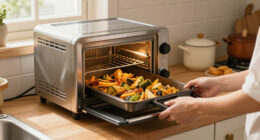
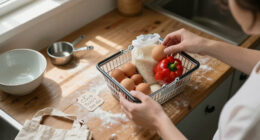
To get the most out of your microwave, use proper reheating techniques like breaking foods into small pieces, stirring midway, and covering items with microwave-safe lids or damp paper towels. Adjust your power settings based on food density to prevent overcooking or drying, and always handle hot containers carefully. Regularly clean the interior and avoid metal. Mastering these tips, along with safety precautions, helps maximize efficiency—stay tuned to discover even more ways to optimize your microwave’s features.

Get kitchen gear delivered free — and shop member deals
- Fast, free delivery on millions of items
- Access to Prime Big Deal Days deals on October 6–7
- Prime Video, Amazon Music and more included
Key Takeaways
- Use microwave-safe covers or damp paper towels to prevent splatters and retain moisture during reheating.
- Adjust power levels based on food density to prevent overcooking or uneven heating.
- Break or cut foods into smaller pieces for more uniform and efficient heating.
- Vent sealed containers to release pressure and avoid explosions or spills.
- Regularly clean interior surfaces to ensure even heat distribution and maintain appliance performance.

Ever wondered how to get the most out of your microwave beyond just reheating leftovers? The key lies in mastering simple reheating techniques and understanding essential microwave safety tips. These tips guarantee your food is heated evenly, retaining flavor and texture, while also keeping you safe from potential hazards. First, when reheating, avoid placing large, dense items directly in the microwave without adjustments. Instead, cut or break foods into smaller pieces for more uniform heating. Use microwave-safe covers or damp paper towels to trap steam, which helps heat food evenly and prevents splatters. Stirring or rotating food midway through the process is another effective reheating technique that assures heat distributes uniformly, reducing cold spots that can harbor bacteria. Additionally, understanding the importance of microwave energy absorption can help you better grasp why certain techniques improve heating consistency.
Pay attention to microwave power settings. Most microwaves have different power levels, so selecting the appropriate one based on what you’re reheating can improve results. For example, low or medium power works well for delicate items like sauces or baked goods, preventing overcooking. High power is suitable for dense foods like potatoes or casseroles, but always monitor to avoid drying out or burning. When reheating liquids, use a microwave-safe container with a lid or a cover to prevent spills and splatters; however, leave a small vent to allow steam to escape, reducing the risk of pressure buildup. Always remember to use oven mitts or a towel when removing hot containers to prevent burns.
Adjust microwave power settings for better reheating results and safety.
Incorporating microwave safety tips is vital for both your safety and appliance longevity. Never operate the microwave when it’s empty, as this can damage the magnetron. Use only microwave-safe containers—avoid metal or aluminum foil, which can cause sparks or fires. Keep the interior clean by regularly wiping away food splatters, which can absorb microwave energy and cause uneven heating. When heating food in sealed containers, vent the lid to release pressure, preventing explosions. Also, be cautious with superheated liquids; they can unexpectedly erupt. Always let them sit for a few seconds after heating and stir to distribute heat evenly.
With these reheating techniques and microwave safety tips, you’ll get more consistent results and keep your appliance in top shape. Taking a few extra seconds to adjust settings and handle food properly makes a noticeable difference. Remember, your microwave isn’t just for reheating—use it creatively with these hacks to make your cooking faster and safer. By paying attention to these simple tips, you’ll maximize your microwave’s potential, enjoy perfectly heated meals, and stay safe every time you press start.
As an affiliate, we earn on qualifying purchases.
Frequently Asked Questions
Can I Use Metal in My Microwave Safely?
You shouldn’t use metal in your microwave because metal safety isn’t compatible with microwave technology. Metal objects can cause sparks, fires, or damage your appliance. Always check if your microwave is microwave compatible before attempting to use metal. Stick to microwave-safe containers made of glass or microwave-safe plastic to avoid accidents. Following these guidelines guarantees safe and effective microwave use, preventing damage and keeping you safe while reheating or cooking.
How Can I Prevent Uneven Heating?
Think of your microwave as a concert hall where each musician (or microwave part) must perform in harmony. To prevent uneven heating, arrange food evenly, cover it to trap heat, and stir or rotate halfway through. This guarantees microwave safety and boosts energy efficiency. By treating your microwave like a well-orchestrated team, you get perfectly heated meals every time, avoiding cold spots and wasted energy.
What’s the Best Way to Clean Stubborn Stains?
To clean stubborn stains in your microwave, use effective cleaning tips like a mixture of equal parts water and vinegar or a lemon. Microwave this solution for a few minutes to loosen grime, then wipe away with a damp cloth. For stain removal, scrub gently with a soft sponge or brush. Regular cleaning prevents buildup and keeps your microwave smelling fresh and functioning efficiently.
How Do I Defrost Items Quickly Without Cooking Edges?
Think of defrosting as a gentle dance, not a rush to the finish line. Use your microwave’s defrost settings and set the timer carefully to avoid edges cooking while the center thaws. Check and turn the items midway to guarantee even defrosting. Adjust microwave timing as needed, and remember, patience prevents uneven thawing. This way, you’ll get perfectly defrosted items without sacrificing quality.
Are There Specific Containers for Microwave Use?
Yes, there are specific containers for microwave use. Look for microwave-safe containers made of glass, ceramic, or certain plastics labeled “microwave safe.” These materials guarantee microwave safety and prevent harmful chemicals from leaching into your food. Avoid metal or non-microwave-safe plastics, as they can cause sparks or damage. Always check the container’s label before use to verify it’s suitable for microwave cooking, keeping your food safe and your microwave in good condition.
As an affiliate, we earn on qualifying purchases.
Conclusion
Believe it or not, your microwave might be more powerful than you think. Some say it’s a miracle device that can do everything from disinfecting sponges to softening ice cream. While these hacks are fun, remember that many are just myths. But one thing’s true: when you use your microwave wisely, it truly becomes your kitchen’s secret weapon. So next time you heat up, trust the process and reveal its full potential!
As an affiliate, we earn on qualifying purchases.
As an affiliate, we earn on qualifying purchases.
Fall Picks
fall essentials
As an affiliate, we earn on qualifying purchases.


![Bread 🍞 [Bonnymama7]](https://thesmartsous.com/wp-content/uploads/2026/09/bread-bonnymama7-featured-260x140.jpg)