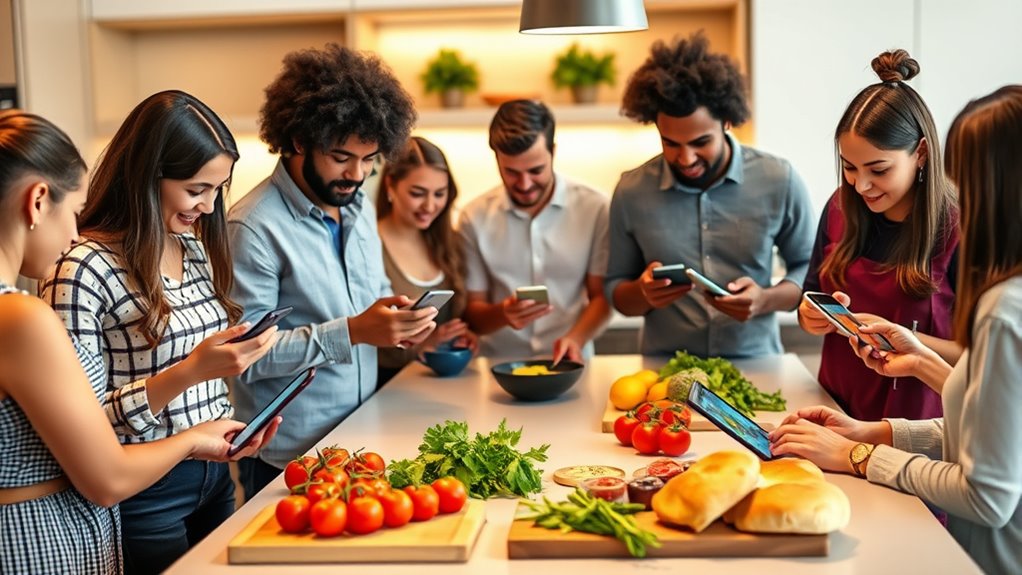

Social cooking apps are becoming a game-changer by turning mealtime into a collaborative, engaging event. They let you plan, customize, and share recipes with friends and communities, making cooking more social and fun. Features like voting, commenting, and real-time chat boost interaction and motivation. As they foster creativity and connection, these apps could very well be the next big trend in how we cook and connect through food—keep exploring to discover more.

Get kitchen gear delivered free — and shop member deals
- Fast, free delivery on millions of items
- Access to Prime Big Deal Days deals on October 6–7
- Prime Video, Amazon Music and more included
Key Takeaways
- Social cooking apps foster collaborative meal planning, transforming cooking into engaging group experiences.
- These platforms promote recipe customization, collective creativity, and user interaction, enhancing culinary exploration.
- They increase motivation, accountability, and experimentation through features like comments, voting, and real-time chat.
- By shifting traditional cooking from solo chores to social activities, they create vibrant digital culinary communities.
- The growing popularity and interactive features suggest social cooking apps could become a major trend in the future of food.
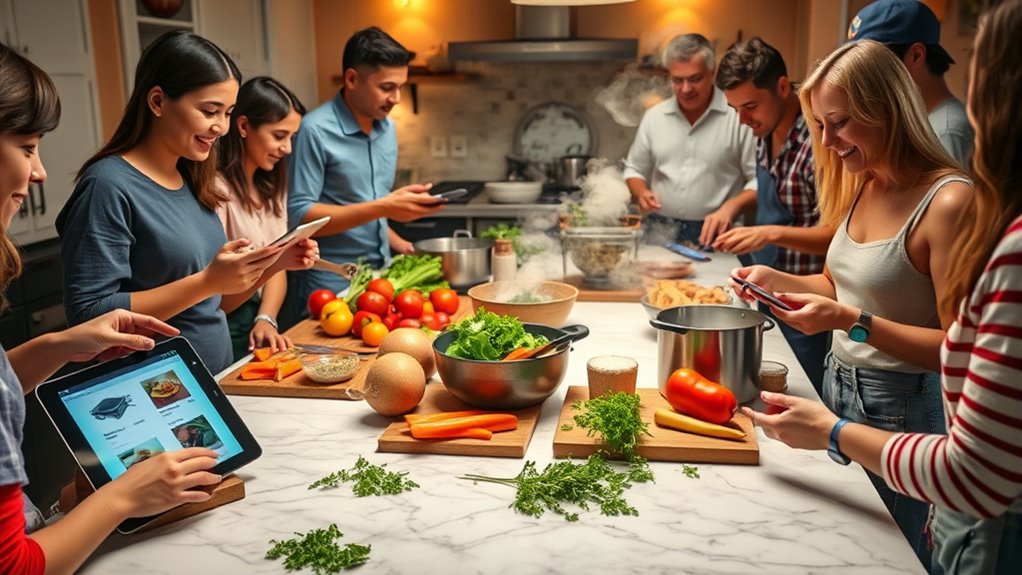
Cooking by committee can be both a collaborative adventure and a recipe for chaos. When you involve others in meal planning and preparation via social cooking apps, you tap into a new level of user engagement. These platforms give you the chance to connect with friends, family, or fellow food enthusiasts, making cooking a shared experience rather than a solitary task. The key to success with social cooking apps lies in how well they facilitate recipe customization, allowing everyone to add their own twists and preferences. You can suggest ingredients, swap out spices, or modify cooking methods to suit individual tastes, which keeps everyone involved and invested. This level of customization makes the process more enjoyable and ensures that the final dish reflects the collective creativity of the group.
Involving others in cooking via social apps transforms meal prep into a fun, customizable group activity.
User engagement is at the heart of these apps, encouraging participants to actively contribute rather than passively follow instructions. When you’re part of a cooking group on an app, you’re not just a consumer of recipes; you’re a co-creator. You can comment on others’ ideas, vote on which recipes to try next, or share your own culinary experiments. This interaction keeps the experience dynamic and engaging, fostering a sense of community around shared food interests. As you become more involved, you might find yourself experimenting more boldly, knowing that your modifications and suggestions are valued. These apps often include features like real-time chat, photo sharing, and recipe ratings, which all serve to boost user engagement and keep the momentum going.
Moreover, social cooking apps promote a sense of accountability and motivation. When you’re cooking with others, you’re more likely to stick to your plans and try new recipes because you’re accountable to your group. The collaborative nature also encourages learning, as you can pick up tips and tricks from others’ feedback and experiences. Interestingly, some of these platforms incorporate expert guidance or curated content to further enhance user knowledge and confidence in the kitchen. This collective approach to cooking can lead to discovering new cuisines, techniques, and flavor combinations that you might not explore on your own.
Ultimately, these apps are transforming the traditional notion of cooking from a solo chore into a communal activity. By emphasizing recipe customization and user engagement, they create a vibrant digital kitchen where everyone can share, learn, and enjoy the culinary journey together. If you’re looking to spice up your cooking routine and connect with others over food, joining a social cooking app might just be your next delicious move.
As an affiliate, we earn on qualifying purchases.
Frequently Asked Questions
How Do Social Cooking Apps Ensure Recipe Originality?
Social cooking apps combat recipe plagiarism by encouraging users to add unique twists and personalized touches, which fosters culinary innovation. You’re prompted to share your own variations and insights, making originality a community effort. By highlighting individual creativity and rewarding authentic contributions, these apps create a space where recipe originality thrives, preventing copycat content and inspiring users to experiment and develop new, exciting dishes together.
What Privacy Concerns Are Associated With Sharing Cooking Data?
Sharing your cooking data feels personal, yet it risks exposing your habits and preferences. You might worry about data security breaches or losing control over who sees your info. While some apps promise user anonymity, breaches can still compromise your privacy. You want to connect and share, but safety concerns mean you must stay vigilant about how your data’s protected. Finding a balance is key to enjoying social cooking securely.
Can These Apps Accommodate Dietary Restrictions Effectively?
Yes, social cooking apps can accommodate dietary restrictions effectively by offering personalized meal plans and ingredient substitution options. You can tailor recipes to your needs, whether you’re gluten-free, vegan, or have allergies. The apps often allow you to customize ingredients, ensuring you stick to your diet while enjoying new recipes. This flexibility makes them a valuable tool for managing dietary restrictions without sacrificing variety or flavor.
How Do Social Features Influence Individual Cooking Skills?
Social features boost your cooking skills by increasing user interactions and social motivation. When you share recipes, comment, or participate in challenges, you learn new techniques and gain confidence. These interactions inspire you to try harder and explore diverse cuisines. The sense of community keeps you motivated, pushing you to improve your skills. Overall, social features turn cooking into a collaborative, engaging experience that accelerates your growth in the kitchen.
What Monetization Models Support Free Social Cooking Platforms?
Over 80% of free social cooking platforms use freemium strategies or ad-supported models to generate revenue. You can enjoy basic features for free while paying for premium content or exclusive features. Ads help keep the app free, letting you connect and share recipes without extra costs. These monetization models balance user access and revenue, making social cooking apps sustainable and engaging for everyone.
As an affiliate, we earn on qualifying purchases.
Conclusion
As you delve into these social cooking apps, you’re not just following recipes—you’re joining a vibrant kitchen where ideas blend like spices, and every shared dish adds flavor to your experience. It’s a community simmering with creativity, turning individual efforts into a rich tapestry of culinary connection. Embrace this digital feast, and watch how, together, you can cook up something truly extraordinary—proof that in the kitchen of life, collaboration makes everything richer.
As an affiliate, we earn on qualifying purchases.
As an affiliate, we earn on qualifying purchases.
Evergreen bestsellers Picks
bestsellers
As an affiliate, we earn on qualifying purchases.