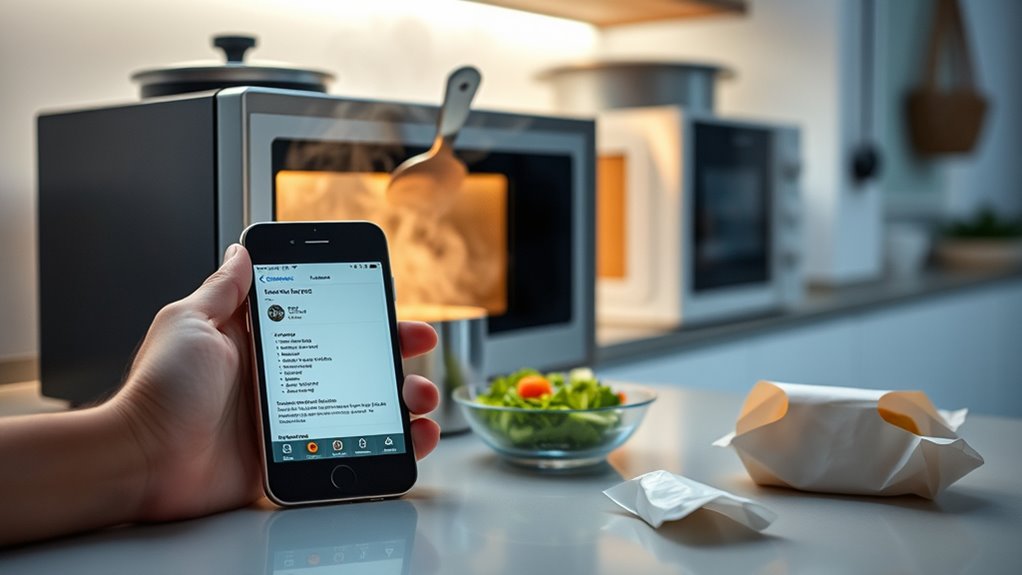

Using convenience tech in the kitchen can make life easier, but it also encourages laziness and weakens your cooking skills. Relying on instant foods and meal kits might save time, but it reduces your ability to create flavorful, nutritious meals from scratch. Over time, this dependence can diminish your confidence and enjoyment in preparing food. If you keep exploring, you’ll discover how technology influences your culinary abilities—and how to balance convenience with skill-building.
Key Takeaways
- Reliance on instant foods and meal kits reduces motivation and confidence to cook from scratch.
- Convenience tech fosters dependency, diminishing culinary skills and creativity in the kitchen.
- Overuse of processed foods sacrifices nutritional value and freshness, impacting health.
- The perception of cooking as a chore can discourage healthy eating and diminish meal satisfaction.
- Balancing tech use with traditional cooking helps preserve skills and promotes better nutrition.

In today’s fast-paced world, convenience often feels like a blessing, making everyday tasks easier and saving you time. But when it comes to preparing meals, this convenience can come with hidden costs. You might reach for instant food or rely heavily on meal kits, thinking they’re saving you effort, but they could also be slowly eroding your cooking skills and appetite for real, homemade meals. Instant food, like instant noodles or frozen dinners, is designed to be quick and effortless. They’re perfect for busy days, but they often lack fresh ingredients and flavor complexity, leaving your palate craving more. Over time, consistently choosing these options might make you less inclined to cook from scratch, diminishing your ability to create nutritious, flavorful meals. Meal kits, on the other hand, offer a middle ground—they’re more involved than instant food but still considerably easier than traditional cooking. They deliver pre-portioned ingredients with detailed recipes, making it seem like you’re cooking from scratch without the hassle of shopping or prep work. While meal kits can be a good way to learn new recipes, they can also foster dependency on convenience, reducing your motivation to experiment and develop cooking skills independently. As you rely more on these services, you might find yourself less comfortable in the kitchen, hesitant to try complex recipes or improvise with ingredients. This reliance on convenience foods and meal kits can lead to a cycle where cooking becomes a chore you’d rather skip, and your diet becomes more processed and less balanced. It’s easy to convince yourself that grabbing an instant meal is acceptable because it’s quick and easy, but it often means sacrificing nutritional value and freshness. Over time, this can affect your health, energy levels, and even your confidence in your cooking abilities. The risk is that you’re training yourself to see cooking as a task best avoided rather than an enjoyable, rewarding activity. While technology and convenience foods are undeniably useful in today’s busy life, it’s essential to recognize their limitations. Finding a balance—using instant food and meal kits occasionally while still dedicating time to cook from scratch—can help you retain your culinary skills and enjoy healthier, tastier meals. Incorporating AI training jobs or other innovative approaches into cooking education could inspire new ways to rekindle your interest in culinary skills. After all, the true worth of cooking isn’t just about ease; it’s about nourishing your body and mind, and creating meals that bring joy and satisfaction.
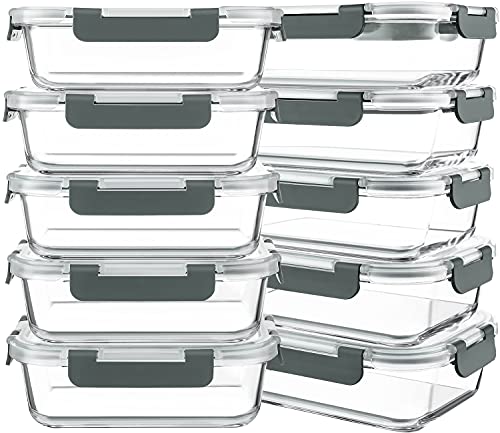
KOMUEE 10 Packs 30 oz Glass Meal Prep Containers with Lids
- Set Includes: 10 glass containers with lids
- Container Size: 30 oz capacity each
- Material: Borosilicate glass for durability
As an affiliate, we earn on qualifying purchases.
As an affiliate, we earn on qualifying purchases.
Frequently Asked Questions
How Does Technology Impact Our Culinary Skills Long-Term?
Technology can weaken your food literacy and skill retention over time. As you rely on apps and ready-made solutions, you may lose your ability to cook from scratch and understand ingredients. This reliance can make you less confident in the kitchen and diminish your long-term culinary skills. To stay skilled, actively practice cooking and use technology as a helper, not a crutch, ensuring you maintain a strong connection to your culinary roots.
Are Convenience Foods Less Nutritious Than Homemade Meals?
Convenience foods are like quicksand for your nutrition, often less nutritious than homemade meals. They tend to experience nutrient loss during processing and may contain additives that raise health concerns. You might save time, but you risk missing out on essential vitamins and minerals. Choosing fresh ingredients and cooking at home helps preserve nutrients and keeps additives at bay, making your meals healthier and more nourishing.
Can Cooking Apps Improve Our Cooking Confidence?
Yes, cooking apps can boost your confidence by simplifying meal prep and helping with recipe discovery. They offer step-by-step guidance, so you feel more capable in the kitchen. As you explore new recipes, you’ll build skills and reduce hesitation. Using these apps regularly makes cooking less intimidating, encouraging you to try new dishes. Ultimately, they turn cooking into an enjoyable experience rather than a formidable chore.
What Are the Environmental Effects of Reliance on Pre-Packaged Foods?
Relying on pre-packaged foods increases packaging waste, contributing profoundly to landfill accumulation and pollution. It also accelerates resource depletion, as more energy and raw materials are used for processing, packaging, and transportation. This environmental impact harms ecosystems and increases greenhouse gas emissions. To minimize these effects, consider cooking fresh ingredients and reducing your dependence on pre-packaged foods, helping conserve resources and reduce waste.
How Can We Balance Convenience With Healthy Eating Habits?
Did you know that 85% of people struggle with maintaining healthy eating habits? To balance convenience with nutrition, try meal prep strategies that save time and guarantee you choose wholesome ingredients. Incorporate mindful eating practices by paying attention to hunger cues and savoring each bite. This way, you enjoy quick meals without sacrificing health, making it easier to stay on track even with a busy schedule.
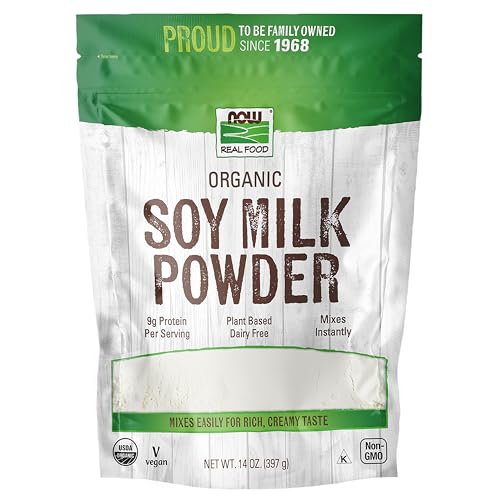
NOW Foods, Organic Soy Milk Powder, Instant Mix Dairy Alternative, Non-GMO, 14-Ounce
- Protein Source: Made from non-GMO soybeans
- Instant Mixing: Mixes quickly for convenience
- Lactose-Free: Suitable for lactose intolerance
As an affiliate, we earn on qualifying purchases.
As an affiliate, we earn on qualifying purchases.
Conclusion
As you rely more on convenience, it’s easy to overlook how it subtly shapes your habits, almost like a coincidence guiding your choices. While tech promises ease, it might be nudging you toward laziness in the kitchen, blending comfort with complacency. Perhaps, in this quiet shift, you’re unknowingly missing out on the joy of cooking from scratch. Ultimately, the convenience you seek could be quietly steering you away from the very skills that once made cooking meaningful.

The Complete Baking Book for Young Chefs: 100+ Sweet and Savory Recipes that You'll Love to Bake, Share and Eat!
As an affiliate, we earn on qualifying purchases.
As an affiliate, we earn on qualifying purchases.

The Fresh & Green Table: Delicious Ideas for Bringing Vegetables Into Every Meal
As an affiliate, we earn on qualifying purchases.
As an affiliate, we earn on qualifying purchases.