
Air frying is generally healthier than deep frying because it uses much less oil, leading to lower fat and calorie intake. It still gives you crispy, tasty foods without the greasiness and excess calories of traditional frying. Plus, air frying often preserves more nutrients and creates less harmful compounds. If you want to understand how these methods compare in taste, health benefits, and environmental impact, there’s more to discover below.
Key Takeaways
- Air frying uses less oil, resulting in lower calorie and fat content compared to deep frying.
- Deep frying often leads to higher intake of unhealthy trans and saturated fats, negatively affecting heart health.
- Air frying preserves more nutrients and antioxidants due to lower cooking temperatures and reduced oil absorption.
- It produces lighter, crispy textures with milder flavors, making it a healthier alternative without sacrificing taste.
- Overall, air frying is considered healthier because it minimizes oil use, reduces harmful fat intake, and supports better nutritional quality.
As an affiliate, we earn on qualifying purchases.
How Air Frying Works Compared to Deep Frying

While both air frying and deep frying cook food by applying heat, they do so in fundamentally different ways. Air frying uses rapid air circulation to cook food evenly on a cooking surface, mimicking frying without submerging ingredients in oil. The hot air reaches high temperatures, but it’s limited by the smoke point of the cooking surface, usually non-stick or metal, which influences safety and performance. Deep frying, on the other hand, involves immersing food in hot oil, where the oil’s smoke point determines how high the temperature can go before smoke and harmful compounds form. This difference means air frying relies on circulating hot air for crispness, while deep frying depends on oil’s heat capacity and stability. Each method’s heat transfer process shapes the final texture and flavor. Energy efficiency of air frying can also contribute to lower energy consumption compared to traditional deep frying methods. Additionally, oil stability plays a critical role in determining the safety and quality of deep-fried foods, especially when heating to high temperatures. For example, smoke point influences not only safety but also the nutritional quality of the cooked food. Moreover, understanding the thermal properties of cooking oils can help optimize frying techniques for better health outcomes.
healthy oil spray for air frying
As an affiliate, we earn on qualifying purchases.
As an affiliate, we earn on qualifying purchases.
The Role of Oil in Both Cooking Methods

In both air frying and deep frying, the amount and type of oil you use make a big difference. Air frying typically requires less oil, which can affect the dish’s flavor and texture, while deep frying relies on more oil for crispiness. The choice of oils also impacts the nutritional value of your food, so understanding these differences helps you make healthier decisions. Additionally, using natural filtration systems in natural pools can reduce the need for chemical additives, promoting a healthier cooking environment. Being aware of oil quality and selecting healthier options can further enhance the health benefits of your cooking methods. Recognizing the importance of oil temperature can also influence the final outcome and healthiness of your fried foods. Moreover, understanding the smoke point of various oils is crucial for maintaining both flavor and healthiness during cooking.
Oil Quantity Differences
Deep frying requires considerably more oil than air frying, as the food is fully submerged in hot oil to achieve that crispy exterior. Because of this, oil absorption is much higher, leading to increased calorie content in deep-fried foods. You also need to contemplate oil reuse; in deep frying, oil can be reused multiple times, but each use adds to its degradation and potential health risks. Proper maintenance and cleaning of your air fryer can also extend its lifespan and ensure consistent performance. Additionally, the oil quality used in deep frying can influence both health and flavor, emphasizing the importance of choosing healthier oils. Air frying, on the other hand, uses little to no oil, drastically reducing oil absorption and the associated calorie load. This means you get similar crispy textures with less oil, making it a healthier choice overall. The significant difference in oil quantity impacts not only the health profile but also the flavor and texture of your dishes. Moreover, understanding the oil absorption process helps in making more informed health choices when cooking. Recognizing the frying method differences can help consumers make better dietary decisions aligned with their health goals.
Types of Used Oils
The type of oil used plays a significant role in both air frying and deep frying, influencing the flavor, healthiness, and overall quality of your dishes. Different oil types have unique properties that affect cooking results and health impacts. For example, some oils are more stable at high temperatures, making them better suited for frying. Others add distinct flavors or contain healthier fats. When choosing your cooking oil, consider these options:
- Olive oil: Rich in monounsaturated fats, ideal for flavor but not best for high heat.
- Canola oil: Neutral taste, high smoke point, versatile for both methods.
- Vegetable oil: A blend, good for deep frying due to its stability.
- Avocado oil: Very high smoke point, healthy fats, great for high-temperature cooking.
- Coconut oil: Adds flavor, high in saturated fats, suitable for certain recipes.
Additionally, understanding the stability of oils at high temperatures can help you select the best option for your cooking method and health goals. Recognizing the smoke point of an oil is crucial, as it indicates the temperature at which the oil begins to break down and produce harmful compounds. Being aware of the oxidation process can further inform your choice, as some oils are more prone to oxidation, which can impact health and flavor. Proper storage of oils can also extend their shelf life and maintain quality.
Impact on Nutritional Value
Choosing the right cooking oil directly impacts the nutritional value of your dishes, regardless of whether you’re air frying or deep frying. Oil absorption plays a vital role here; deep frying tends to increase the amount of oil your food absorbs, adding extra calories and fat. This can compromise nutrient stability, as high heat can degrade sensitive vitamins and antioxidants in some oils. Air frying uses considerably less oil, reducing oil absorption and helping retain more nutrients. By selecting oils with higher nutrient stability, like olive or avocado oil, you protect essential nutrients from breaking down during cooking. Additionally, Youngster Choice demonstrates that the choice of ingredients can influence the overall healthiness of your meal. Moreover, understanding the oxidation stability of oils can help you choose healthier fats that resist breakdown at high temperatures. Selecting oils with high smoke points is also crucial, as it minimizes the formation of harmful compounds during cooking. The stability of cooking oils is an important factor to consider, especially at high temperatures, to maintain health benefits and prevent harmful compounds. For example, choosing oils with greater oxidative stability can help preserve nutritional quality during high-heat cooking. Ultimately, the type of oil and the cooking method influence your dish’s nutritional profile, making mindful choices essential for healthier meals.
As an affiliate, we earn on qualifying purchases.
Calorie and Fat Content Differences

While both air frying and deep frying can produce crispy, flavorful foods, air frying generally results in lower calorie and fat content. This is because air frying uses hot air instead of large amounts of oil, leading to significant calorie reduction. When you choose air frying, you’ll notice:
Air frying offers crispy, flavorful results with fewer calories and less fat than traditional deep frying.
- Less fat absorbed during cooking
- Fewer calories per serving
- Reduced risk of excess fat intake
- Maintained crispy texture without excess oil
- Healthier options without sacrificing flavor
- Cooking methods can impact the overall nutritional profile of your meals. Additionally, oil absorption is minimized in air frying, further contributing to its health benefits. Since air frying reduces the amount of oil needed, it also aligns with micro-mobility efforts to promote environmentally friendly and health-conscious lifestyles.
As an affiliate, we earn on qualifying purchases.
Potential Impact on Heart Health
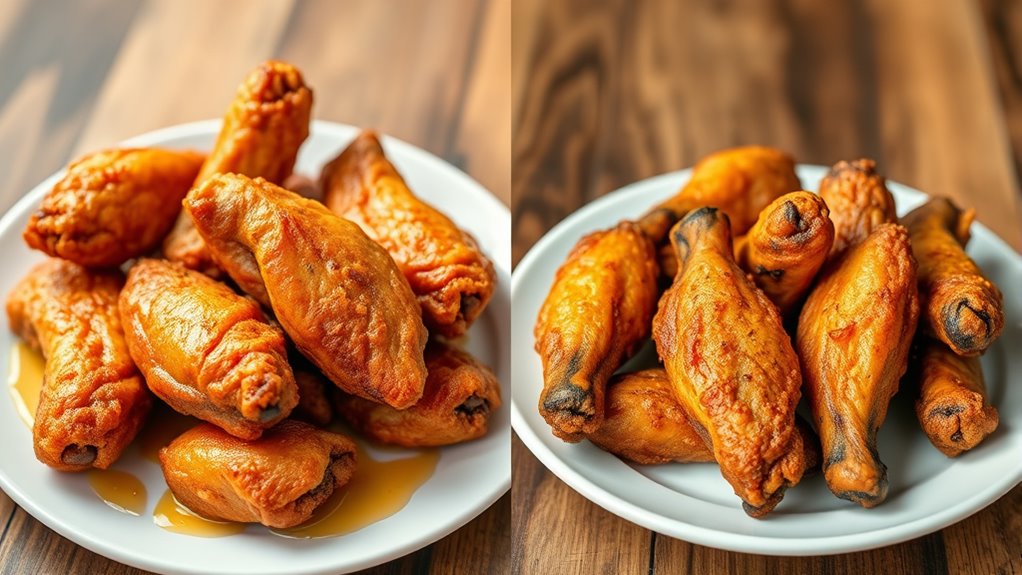
Since deep frying involves submerging foods in hot oil, it often introduces unhealthy fats that can raise your cholesterol levels and increase your risk of heart disease. Consuming foods high in trans and saturated fats can negatively affect your lipid profile, leading to higher LDL cholesterol and lower HDL cholesterol. Over time, these changes strain your cardiovascular system and elevate heart disease risk. In contrast, air frying uses less oil, reducing intake of harmful fats. This can help maintain a healthier lipid profile, supporting better heart health. By choosing air frying over deep frying, you may lower your chances of developing heart-related issues, making it a smarter choice for your cardiovascular well-being.
Effects on Food Nutritional Value
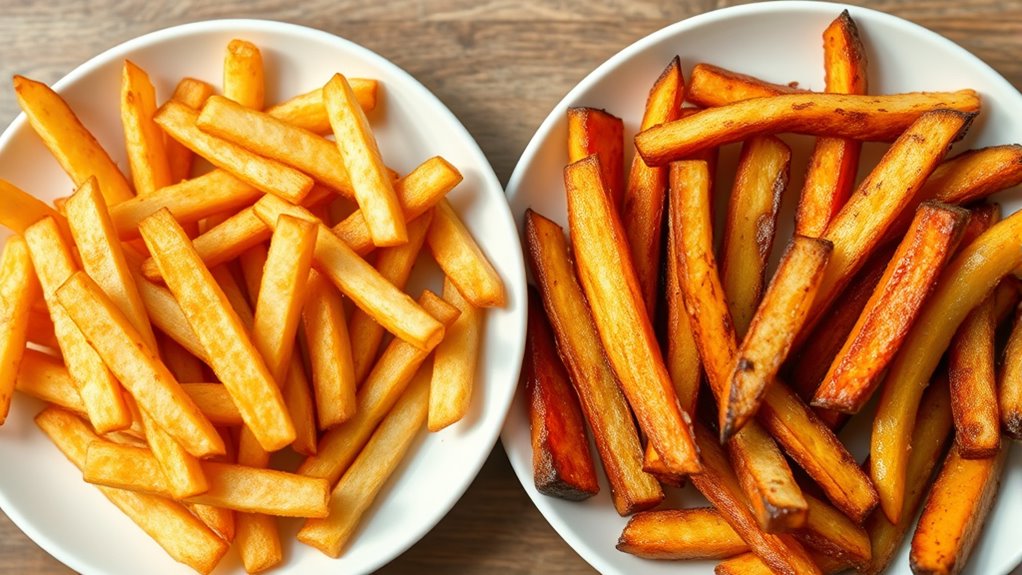
When comparing air frying and deep frying, you’ll notice differences in how well nutrients are preserved. The cooking temperature plays a key role, affecting both nutrient retention and flavor. Understanding these factors helps you choose the method that best maintains your food’s nutritional value.
Nutrient Retention Differences
Nutrient retention plays a crucial role in determining the nutritional value of fried foods, and the cooking method can considerably impact how much of these nutrients stay intact. With air frying, you’ll generally experience less oil absorption, which helps preserve sensitive nutrients like vitamins and antioxidants. Deep frying, on the other hand, often leads to higher oil absorption, which can dilute nutrient content and degrade heat-sensitive vitamins.
You may notice:
- Better nutrient preservation with air frying
- Reduced loss of vitamins due to lower temperatures
- Less oil absorption means fewer empty calories
- Shorter cooking times help retain antioxidants
- Overall, a healthier profile for your food
Impact of Cooking Temperature
Cooking temperature directly influences the nutritional quality of your food by affecting how heat-sensitive nutrients break down or degrade. High cooking temperatures can lead to nutrient loss, especially vitamins like C and B, which are sensitive to heat. When you cook at excessive temperatures, oil degradation may also accelerate, producing harmful compounds and reducing oil’s nutritional value. In air frying, lower and controlled temperatures help preserve more nutrients and minimize oil breakdown, making it a potentially healthier option. Conversely, deep frying often involves higher temperatures that can cause greater nutrient degradation and promote harmful oxidation of oils. By managing your cooking temperature carefully, you can better retain nutrients and reduce the formation of damaging compounds, supporting healthier eating habits.
Common Misconceptions About Air Frying
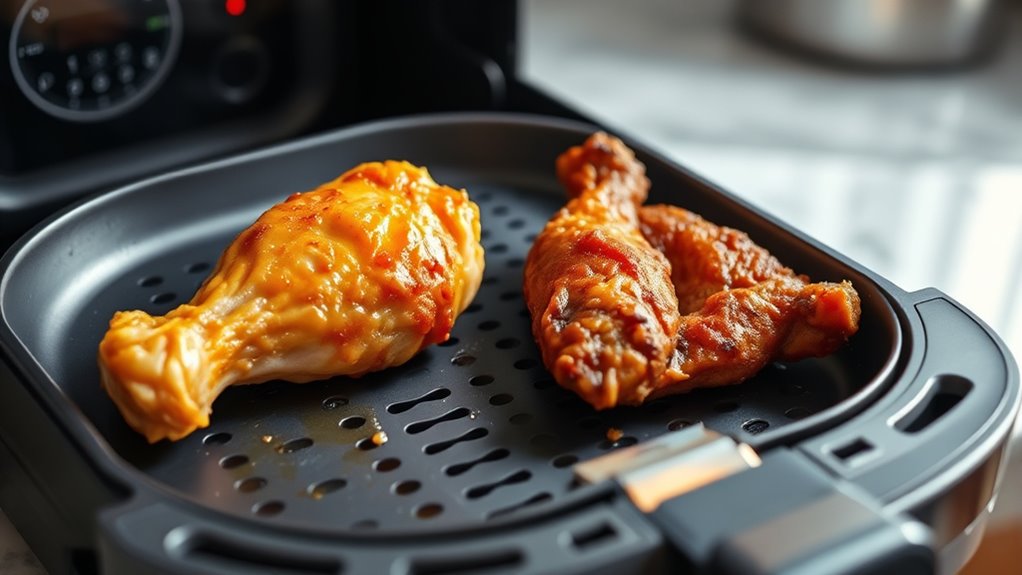
Many people assume that air frying is just a healthier version of deep frying, but this isn’t always the case. It’s important to do some myth debunking and understand that air frying isn’t a magic bullet. A common misconception is that it’s completely free of safety concerns — while generally safer than deep frying, it still involves hot air and potentially hot surfaces. Additionally, many think air fryers eliminate all calories, which isn’t true if you’re breading or adding oils. Here are some other misconceptions:
- Air frying automatically makes everything healthier
- It’s 100% low-fat without any added oil
- It’s only suitable for small portions
- It’s faster than all cooking methods
- It replaces traditional cooking entirely
Knowing the facts helps you use your air fryer wisely.
Environmental Considerations and Energy Use

When comparing air frying and deep frying, you’ll notice differences in energy efficiency and oil use that impact the environment. Air fryers typically use less energy and oil, reducing your carbon footprint. Considering these factors can help you make more eco-friendly cooking choices.
Energy Efficiency Comparison
While both air frying and deep frying consume energy, air frying generally uses less electricity due to its efficient design. Its rapid heat transfer and smaller size minimize energy consumption, making it a more appliance-efficient choice. You’ll notice that air fryers heat up quickly and cook faster, reducing overall energy use. In contrast, deep fryers often require more energy for maintaining oil temperature over longer periods. Consider these points:
- Air fryers have a smaller footprint, needing less power to operate.
- They heat up faster, saving energy during preheating.
- Their compact design improves appliance efficiency.
- Less cooking time reduces overall energy consumption.
- They use less energy for heating compared to large deep fryers.
This makes air frying a more environmentally friendly option, especially if you’re mindful of energy efficiency.
Oil Consumption Impact
Have you considered how oil consumption impacts both the environment and your energy use? Air frying typically uses much less oil than deep frying, leading to lower overall oil absorption in your food. This means you’re consuming less oil, which reduces the environmental footprint associated with oil production, transportation, and disposal. Additionally, less oil absorption can mean healthier meals with fewer calories and saturated fats. During the cooking process, oil acts as a flavor infusion, but air fryers achieve this with minimal oil, maintaining flavor while cutting down on waste. By choosing air frying over deep frying, you not only save on oil costs but also lessen the environmental impact linked to oil use and energy consumption.
Environmental Footprint
Choosing air frying over deep frying substantially reduces your kitchen’s environmental footprint. Air fryers use less energy, leading to lower carbon emissions, and often have parts made from sustainable packaging, reducing waste. This method consumes minimal oil, decreasing the need for frequent oil disposal. Additionally, air fryers generate less heat and require shorter cooking times, further cutting energy use. By choosing this appliance, you contribute to reducing carbon emissions associated with food preparation. Many air fryer brands now prioritize eco-friendly packaging, making them a greener choice. Compared to deep fryers, they produce less waste and have a smaller overall environmental impact. Your decision to switch supports sustainable practices, saving energy and minimizing environmental harm. Every small change helps you cook more responsibly and reduces your ecological footprint.
Taste and Texture: Do They Match Up?

When it comes to taste and texture, air frying and deep frying often deliver noticeably different experiences. Deep frying yields crispy, golden-brown coatings with rich flavor, thanks to longer cooking times and oil absorption. Air frying creates a similar crunch but tends to be lighter and less greasy, which can affect seasoning variations, making flavors less intense. The cooking time in an air fryer is shorter, so you might need to adjust your seasoning or marination to achieve desired taste. Here’s a comparison:
| Aspect | Deep Frying | Air Frying |
|---|---|---|
| Texture | Crispy, greasy | Light, crisp |
| Flavor | Rich, intense | Milder, subtler |
| Cooking Time | Longer | Shorter |
| Seasoning Variations | More pronounced flavors | Less intense, delicate |
Your choice impacts both taste and texture markedly.
Practical Aspects: Convenience and Cleanup

While both air fryers and deep fryers aim to simplify cooking, their convenience and cleanup processes differ considerably. Air fryers generally offer quicker cleanup thanks to non-stick baskets and dishwasher-safe parts, making cleaning ease a breeze. They also save space with compact designs, fitting easily into kitchen cabinets or countertops, enhancing storage convenience. Deep fryers, on the other hand, involve dealing with oil, which can be messier and more time-consuming to clean. You’ll need to dispose of or filter used oil and scrub greasy surfaces, making cleanup more tedious. Additionally, deep fryers tend to be bulkier, requiring more storage space. Overall, air fryers are more user-friendly for everyday convenience, while deep fryers demand more effort but offer traditional frying results.
Making Informed Choices for a Healthier Diet

Making informed choices for a healthier diet involves understanding how different cooking methods impact nutrition. Air frying tends to reduce oil absorption, lowering calorie intake, while maintaining better flavor retention compared to deep frying. To choose wisely, consider this table:
| Cooking Method | Oil Absorption | Flavor Retention |
|---|---|---|
| Air Frying | Less | Good |
| Deep Frying | More | Excellent |
| Baking | Minimal | Moderate |
Opting for air frying can help you enjoy crispy textures with less fat, supporting your health goals. Recognizing how each method affects oil absorption and flavor retention helps you make smarter, healthier decisions in your diet.
Frequently Asked Questions
Can Air Frying Completely Eliminate the Formation of Harmful Acrylamides?
Air frying can’t completely eliminate acrylamide formation, but it can substantially reduce it. To maximize acrylamide prevention, you should keep cooking temperatures lower and avoid overcooking or burning foods. Using moderate temperatures helps prevent the formation of harmful compounds, while still delivering crispy results. Remember, monitoring cooking time and temperature is key to minimizing acrylamide risk during air frying.
How Does Air Frying Affect Allergenicity Compared to Deep Frying?
Allergen awareness worsens with air frying because it can intensify allergen sensitivity and cross-reactivity. You might notice increased reactions if you’re sensitive to certain foods, as air frying can cause residue buildup and aerosolized allergens. Unlike deep frying, which often involves more oil and less surface contact, air frying’s rapid circulation might spread allergens more readily. Be cautious—clean thoroughly and consider allergen-free alternatives to avoid adverse reactions.
Are There Specific Foods That Benefit More From Air Frying Health-Wise?
You’ll find that vegetables benefit most from air frying, as it preserves nutrients better than deep frying and helps with vegetable preservation. Plus, air frying often results in calorie reduction because it uses less oil, making your healthier choices easier. This method keeps the natural flavors and textures of vegetables intact, so you enjoy nutritious, delicious meals while supporting your health goals.
Does the Type of Oil Used in Air Frying Influence Health Outcomes?
Choosing the right oil in air frying is like selecting the perfect brush for a masterpiece. Your oil selection impacts health outcomes, with a high smoke point acting as a shield against harmful compounds. Opt for oils like avocado or grapeseed, which withstand higher temperatures without breaking down. By selecting oils wisely, you guarantee your cooking remains vibrant and safe, preserving flavor while nurturing your well-being.
What Are the Long-Term Health Effects of Regular Air Frying?
Regular air frying can positively impact your long-term health by reducing intake of unhealthy fats found in traditional frying. It encourages healthier cooking methods, helping you maintain better nutritional habits. Including dietary fiber-rich foods in your air-fried meals supports digestion and overall wellness. However, overuse may lead to reliance on processed foods. Balance your cooking methods and incorporate fiber-rich ingredients for sustained health benefits.
Conclusion
So, is air frying truly healthier than deep frying? It depends on what matters most to you—calories, fat, or taste. While air frying reduces oil and may benefit your heart, it might not fully match the flavor and texture you crave. Are you ready to make the switch or stick with traditional frying? The choice is yours, but one thing’s certain—your decision could change your meals forever. Are you prepared to take that step?