In your modern kitchen, you balance convenience with tradition by choosing between smart gadgets and manual tools. Smart appliances save time and simplify tasks but may reduce your connection to the process and depend on technology. Manual tools, on the other hand, foster craftsmanship, awareness, and durability. Finding harmony between these approaches lets you enjoy efficient meal prep while maintaining culinary skills. To see how you can blend both, discover more about their unique benefits and challenges.

Get kitchen gear delivered free with Prime
- Fast, free delivery on millions of items
- Prime Video, Amazon Music and more included
- Member-only deals all year
Key Takeaways
- Modern gadgets offer speed, automation, and remote control, enhancing convenience in meal preparation.
- Traditional tools foster skill development, craftsmanship, and a mindful cooking experience.
- Over-reliance on smart appliances may diminish culinary skills and awareness of cooking processes.
- Combining both approaches can balance efficiency with skill, enriching overall kitchen experience.
- Understanding each method’s strengths and limitations helps align technology use with personal cooking values.

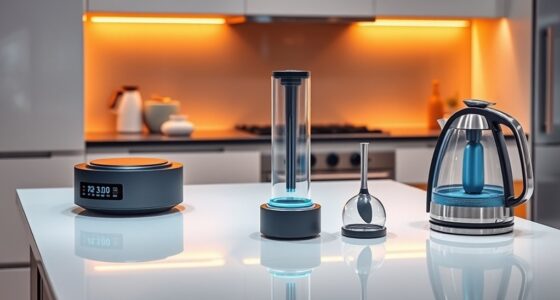
In today’s modern kitchens, the proliferation of gadgets sparks ongoing debates about their true value. You walk into a space filled with smart appliances, sleek devices that promise to make cooking faster and more efficient. These gadgets often come with features like Wi-Fi connectivity, voice control, and automated settings, all designed to simplify your culinary routines. But as you embrace these innovations, a part of you might wonder if they truly enhance your cooking experience or just add unnecessary complexity. On the other hand, many still value manual tools—whisks, knives, and hand mixers—that rely on your skill and effort. These tools may lack the bells and whistles of their tech-enabled counterparts, but they carry a sense of craftsmanship, control, and connection to the process that some find irreplaceable.
Modern kitchens blend smart gadgets and manual tools, each offering unique benefits and challenges for your culinary journey.
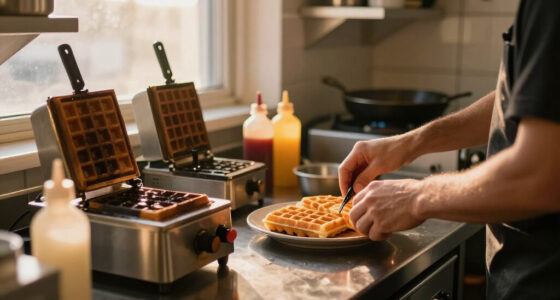
You might find yourself asking whether smart appliances genuinely save you time and effort or if they create a dependency that diminishes your culinary skills. For instance, a smart oven that automatically adjusts temperature and cooking time sounds appealing, but it can also make you less aware of what’s happening during the process. Conversely, manual tools require you to stay engaged, to learn and adapt as you cook. Some argue that this engagement leads to better results and a deeper understanding of your ingredients. You’re also likely aware that manual tools are more durable and often less costly than their high-tech counterparts. They don’t rely on electricity or Wi-Fi, meaning they’re less prone to malfunction and don’t require updates or troubleshooting.
That said, the convenience of smart appliances cannot be ignored. With a tap on your phone or a voice command, you can preheat your oven, set timers, or even get step-by-step cooking guidance. This level of automation can be a game-changer, especially during busy weekdays when time is limited. However, it’s easy to become overly reliant on these gadgets, which might diminish your confidence or skill over time. You might also find that manual tools foster a more mindful, intentional approach to cooking—one rooted in tradition and craftsmanship. They encourage you to pay attention to every detail, from the texture of dough to the aroma of roasted vegetables.
Ultimately, the choice between smart appliances and manual tools comes down to your priorities. Do you value speed, automation, and cutting-edge technology, or do you prefer a hands-on, traditional approach that emphasizes skill and connection? Whichever path you choose, understanding the strengths and limitations of each option can help you create a kitchen that aligns with your lifestyle and values. Balancing innovation with tradition might just be the key to enjoying the best of both worlds.
As an affiliate, we earn on qualifying purchases.
Frequently Asked Questions
How Do Gadgets Impact the Overall Cooking Experience?
Gadgets like smart appliances and ergonomic designs markedly enhance your cooking experience by making tasks easier and more efficient. With smart appliances, you can control and monitor cooking remotely, ensuring perfect results every time. Ergonomic tools reduce strain and increase comfort, allowing you to focus on creating delicious meals. Overall, gadgets streamline your kitchen activities, save time, and bring a modern touch that elevates your culinary adventures.
Are Traditional Utensils More Hygienic Than Modern Gadgets?
Traditional utensils often seem more hygienic because you handle them directly, allowing you to maintain better hand hygiene. Unlike modern gadgets, which may have intricate parts that trap bacteria, they can pose a higher contamination risk if not cleaned properly. Imagine the glint of a well-washed wooden spoon, its surface smooth and inviting, versus a gadget’s crevices hiding unseen germs. You control the cleanliness, making traditional tools feel safer and more trustworthy.
What’s the Cost Difference Between High-Tech and Traditional Kitchen Tools?
The price comparison shows that traditional kitchen tools are generally more affordable than high-tech gadgets. You’ll find that basic utensils like knives, spatulas, and pots cost less upfront and tend to last longer with proper maintenance. An affordability analysis reveals that investing in high-tech tools can be pricier initially, but they may save time and effort. If budget is a concern, sticking with traditional tools offers a more economical choice.
Do Gadgets Require More Maintenance Than Manual Tools?
Gadgets often require more maintenance than manual tools, with about 60% of users reporting frequent repairs or replacements. Their durability can vary, but electronic components tend to need regular cleaning and occasional repairs. Manual upkeep is generally simpler, often limited to sharpening or washing. So, if you prefer low-maintenance options, manual tools might be better, but gadgets offer convenience despite needing more ongoing care.
How Do Gadgets Influence the Nutritional Value of Food?
Gadgets can both positively and negatively influence the nutritional value of food. They often enhance nutrient retention by speeding up food processing and cooking, preserving vitamins and minerals better than traditional methods. However, over-processing with gadgets may strip away nutrients or reduce food quality. You should be mindful of how much food processing you do with gadgets, balancing convenience with maintaining the nutrient integrity of your meals.
As an affiliate, we earn on qualifying purchases.
Conclusion
As you weigh the convenience of modern gadgets against traditional methods, remember that 78% of home cooks feel more confident using the latest technology. While gadgets save time and effort, don’t forget the value of skills passed down through generations. Striking a balance lets you enjoy quick, efficient cooking without losing the heart of tradition. Embrace innovation, but cherish the timeless techniques that make your kitchen truly special.
As an affiliate, we earn on qualifying purchases.
As an affiliate, we earn on qualifying purchases.
Halloween Picks
halloween
As an affiliate, we earn on qualifying purchases.