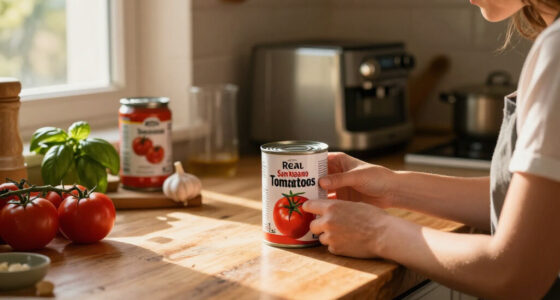

🔍 Read the full analysis: Estratto Di Pomodoro: Sicily's Sun-Dried Tomato Paste And How To Cook With It on Mad Tasting

Get kitchen gear delivered free with Prime
- Fast, free delivery on millions of items
- Prime Video, Amazon Music and more included
- Member-only deals all year
TL;DR
According to the Mad Tasting guide, estratto di pomodoro, also called strattu, is a dense Sicilian tomato concentrate traditionally made by drying strained ripe tomatoes in the summer sun. The guide recommends starting with one or two teaspoons, briefly warming it in oil, and tasting before adding salt; it notes that production methods vary by maker.
A Mad Tasting guide describes estratto di pomodoro, the dense Sicilian tomato concentrate also known as strattu, and explains how to use it in sauces, beans, soups and braises. The guide recommends beginning with one or two teaspoons for a dish serving two to four people, cooking the paste briefly in oil, and tasting before adding salt because recipes and jars vary.
The Mad Tasting guide says estratto is traditionally made by straining ripe tomatoes and spreading the purée in the summer sun until it thickens. It describes the practice in western Sicily, including the Trapani area, where families have used wide boards or trays, stirring the purée as it reduces and protecting it from dust and insects. The guide says the process can take several days, turning seasonal tomatoes into a concentrated preserve.
The guide says production methods differ today: some producers still dry the purée outdoors, while others use controlled, low-temperature processes. It cautions that the term “sun-dried” does not establish how a particular jar was made; readers who care about the method should check the producer’s description. It also notes that finished paste can vary in firmness, salt content and intensity.
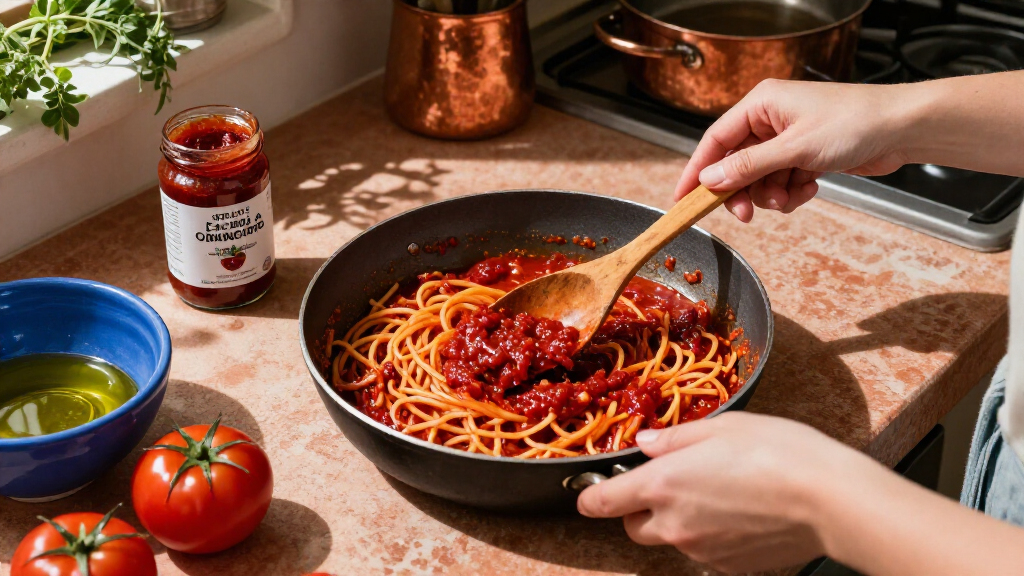
For cooking, the guide suggests softening onion or garlic in olive oil, stirring in a small amount of estratto and cooking it for about 30 seconds before adding tomatoes, broth, vegetables or cooked beans. It advises loosening a firm paste with warm water or broth first. The guide recommends stirring it through the oil rather than scorching it over high heat, which can produce bitterness, and tasting before salting because some products contain salt.
Estratto di Pomodoro A little paste, deep tomato flavor
This dense Sicilian tomato concentrate, also called strattu, brings concentrated flavor to sauces, beans, soups and braises. Its method, texture and saltiness can vary by jar.
From summer tomatoes to strattu
Traditionally, strained ripe tomatoes are spread in the summer sun until thick, a process that can take several days.
Make a smooth purée from the seasonal harvest.
Spread the purée on boards or trays and stir as it reduces.
The thick preserve carries tomato flavor beyond the harvest season.
Use a small spoonful
Start modestly, then adjust to the jar and the dish.
Deepen the tomato base
Stir a little into oil with aromatics before adding fresh or canned tomatoes.
Keep the stew thick
Add concentrated flavor to chickpeas or cooked beans without much extra liquid.
Build savory depth
Blend it into the base, then taste and adjust as the dish cooks.
A gentle start in the pan
Warming the paste in oil helps it disperse through the dish.
Know what is in the jar
Products differ in how they are made and how they cook.
- Some makers dry purée outdoors; others use controlled, low-temperature processes.
- Check the producer’s description for method and ingredients.
- Firmness, intensity and salt content vary between jars.
- Loosen firm paste with warm water or broth; taste before adding salt.
A Small Spoonful Changes the Pot
The Mad Tasting guide presents estratto as a way to add concentrated tomato flavor without adding much liquid. It suggests using it in a thick chickpea stew, bean dish, soup or braise, where a thinner sauce might alter the texture. In pasta sauce, the guide says a little paste can deepen the tomato base alongside canned or fresh tomatoes; it does not replace the liquid, aromatics or seasoning needed to make a complete dish.
The guide identifies concentration as a practical consideration: too much can dominate a meal, while salt levels and texture differ between jars. Its advice is to start small and adjust after tasting, rather than assume every product or recipe behaves the same way.
Products Worth Considering

KitchenAid 5-Ply Clad Stainless Steel Roaster with Removable Rack, 15 x 11.5 in

KitchenAid 38 oz Cold Brew Coffee Maker (KCM5912)

KitchenAid Hard-Anodized Induction Nonstick Cookware Set, 10-Piece
As an affiliate, we earn on qualifying purchases.
From Summer Tomatoes to Strattu
The Mad Tasting guide says the name strattu refers to a concentrated preserve associated with Sicily’s summer tomato harvest. It describes the traditional sun-drying method as removing water from strained tomatoes, concentrating their sweet, tangy and savory qualities so they can be used beyond the harvest season. The guide presents the practice as both a preservation method and a way to build flavor into later meals.
According to the guide, estratto differs from standard tomato paste mainly in its concentration and, depending on the jar, thickness. Sun-dried tomatoes are usually pieces rather than a paste; if packed in oil, they also bring that oil and a chewy texture to a dish. Estratto disperses through a sauce or stew. The guide says ordinary tomato paste can be used as a substitute, but offers no universal conversion because products vary; regular paste may be less concentrated.
Methods and Salt Vary by Jar
The Mad Tasting guide does not identify specific producers or products, cite independent testing, or provide a publication date. Its account therefore does not establish how any particular brand is made or what its salt content is. The guide describes outdoor drying as a traditional method but says some makers now use controlled processes. Readers will need to consult product labels or producer information for details about a specific jar.
The guide also provides no fixed substitution ratio for regular tomato paste. Its recommended starting quantity is general cooking advice, not a tested rule for every recipe; the amount needed depends on the product, the dish’s size and the cook’s taste.
Check the Label, Then Taste
For a specific product, the Mad Tasting guide advises checking the label and producer description for ingredients, salt and production method. In the kitchen, it recommends beginning with a teaspoon or two, warming the paste briefly in olive oil, then adding the other ingredients and tasting before seasoning. Add more only if the dish needs it.
The guide supplies cooking suggestions rather than announcing a new product, regulatory change or scheduled event. No further development or follow-up date is given in the source material.
Key Questions
What is estratto di pomodoro?
The Mad Tasting guide describes it as a dense Sicilian tomato concentrate, also called strattu. It is traditionally made by straining ripe tomatoes and drying the purée until thick.
How much estratto should I start with?
The Mad Tasting guide recommends one or two teaspoons for a dish serving two to four people. Product intensity varies, so taste before adding more.
How should I add it to a sauce?
The guide recommends softening aromatics in olive oil, stirring in the estratto and cooking it briefly—about 30 seconds—before adding tomatoes, broth, beans or vegetables. It advises avoiding scorching the paste.
Is every jar dried in the sun?
No. The Mad Tasting guide says some makers still use outdoor sun drying, while others use controlled, low-temperature processes. Check the producer’s description to learn how a particular product was made.
Can regular tomato paste replace estratto?
It can be used, but it may be less concentrated. The Mad Tasting guide gives no universal conversion; adjust to taste and account for the recipe’s desired thickness.
Source: Mad Tasting