
When thinking about accessible cooking beyond convenience, focus on creating an inclusive kitchen that accommodates everyone’s needs. Use adaptive tools, thoughtful layout designs, and clear visual cues to enhance safety and independence. Prioritize universal design principles to make your space welcoming for all abilities. Rethink traditional routines to foster confidence and participation. By considering these elements, you’ll support a more equitable environment where everyone can cook and enjoy meals comfortably—there’s more to explore on how to make this happen seamlessly.

Get kitchen gear delivered free — and shop member deals
- Fast, free delivery on millions of items
- Access to Prime Big Deal Days deals on October 6–7
- Prime Video, Amazon Music and more included
Key Takeaways
- Prioritize universal design principles to create inclusive spaces that serve diverse needs beyond mere convenience.
- Incorporate adaptive tools and ergonomic solutions to promote independence and reduce physical strain.
- Design kitchens with adjustable features and clear pathways to enhance safety and accessibility for all users.
- Use visual cues, lighting, and clutter reduction to improve safety, visibility, and overall usability.
- Recognize accessible cooking as an empowering activity that fosters community, dignity, and equitable participation.
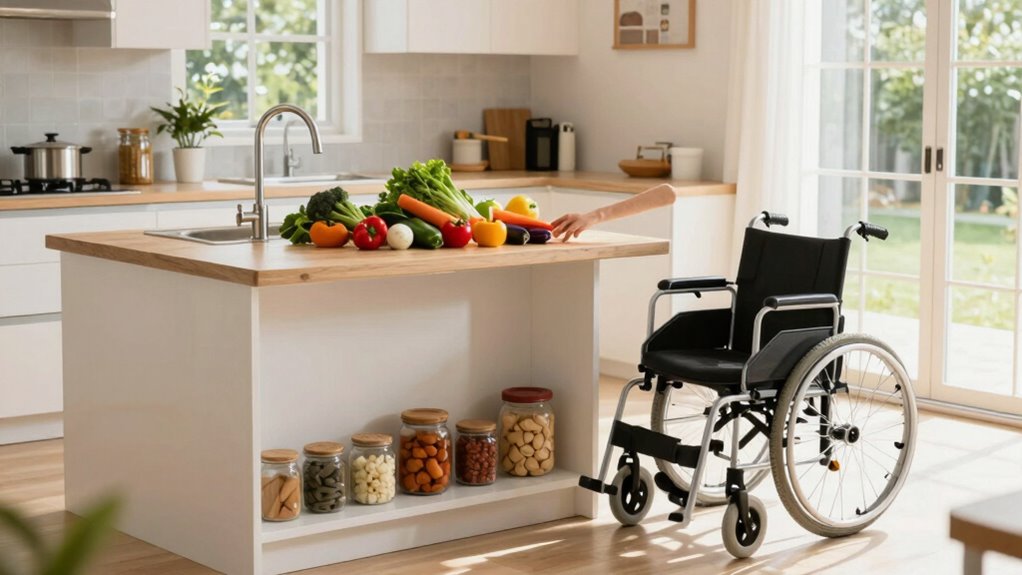
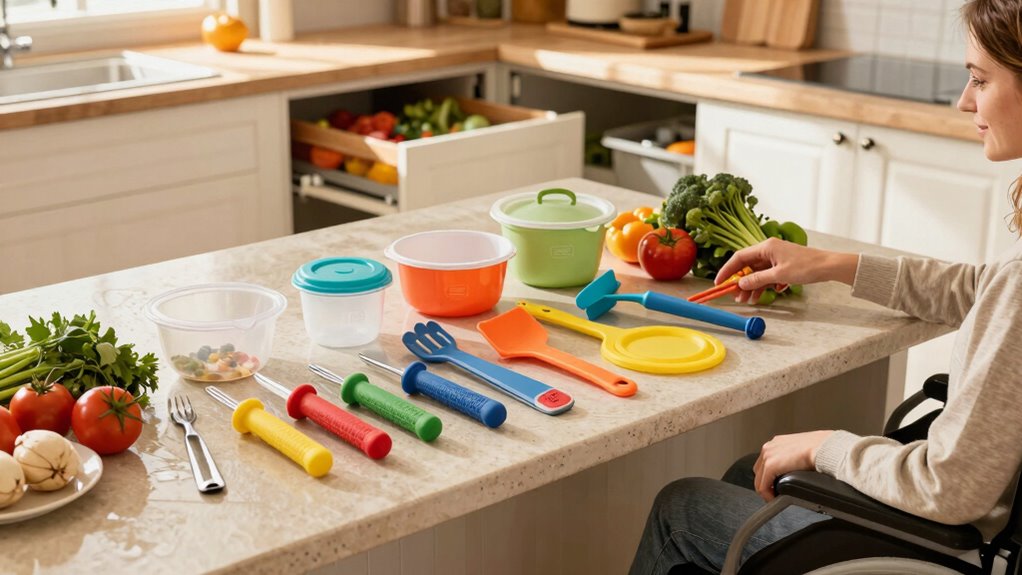
Accessible cooking isn’t just about making tasks easier; it’s about creating an inclusive environment where everyone can participate and enjoy preparing meals. When you think beyond convenience, you begin to see how adaptive tools and inclusive design transform the kitchen into a space that welcomes all abilities. It’s not merely about adding gadgets but rethinking how the kitchen functions to support diverse needs. Adaptive tools—like ergonomic utensils, jar openers, or easy-grip knives—are essential because they reduce strain and make cooking less frustrating. These tools help eliminate barriers that might prevent someone from engaging fully in meal prep, encouraging independence and confidence. But adaptive tools are just one piece of the puzzle; inclusive design involves planning your kitchen layout with accessibility in mind. That means positioning frequently used items within easy reach, using lower countertops, and ensuring clear pathways that accommodate wheelchairs or walkers. When you design with inclusivity, you’re not only making the space usable for people with disabilities but also improving overall functionality for everyone.
Thinking beyond just convenience means you’re actively considering the diverse needs of those who use the kitchen. For example, adjustable-height work surfaces and pull-out shelves can make a significant difference. These features allow users to customize their environment, reducing physical strain and creating a safer, more comfortable experience. It’s about recognizing that accessibility benefits all users—whether they’re carrying groceries, managing limited mobility, or simply trying to cook more comfortably. Incorporating inclusive design principles also means choosing visual cues like contrasting colors for better visibility, installing adequate lighting, and minimizing clutter. These adjustments help create an environment that’s intuitive and safe for everyone, regardless of their abilities. Additionally, understanding the importance of accessible design and its role in creating equitable spaces can inspire more intentional modifications in your kitchen. Being aware of universal design principles can guide you in making thoughtful choices that serve a broader range of needs. Recognizing that adaptive tools can be integrated seamlessly into daily routines encourages a more positive attitude toward inclusive modifications. Furthermore, considering ergonomic principles when planning your kitchen can significantly reduce fatigue and discomfort during meal preparation.
Ultimately, thinking about accessible cooking beyond just convenience elevates the entire experience. It’s about fostering a sense of community, independence, and dignity in the kitchen. When you intentionally integrate adaptive tools and inclusive design, you’re making a statement: everyone deserves the opportunity to cook, share, and enjoy food together. It’s not just about meeting standards; it’s about expanding them to embrace diversity and promote equity. By viewing your kitchen through this inclusive lens, you guarantee that it’s a space where all can participate fully, comfortably, and confidently—turning everyday cooking into an empowering activity for everyone involved.
As an affiliate, we earn on qualifying purchases.
Frequently Asked Questions
How Can Accessible Cooking Promote Independence for People With Disabilities?
Accessible cooking promotes your independence by enabling you to prepare meals confidently. Using adaptive utensils designed for easy grip and control helps you handle tools comfortably. Incorporating sensory-friendly techniques, like soft lighting or textured surfaces, minimizes overwhelm and boosts focus. These modifications empower you to cook more independently, build skills, and enjoy meal preparation without relying heavily on others, fostering a sense of autonomy and achievement in your daily routine.
What Are Cost-Effective Adaptations for Accessible Kitchen Design?
Think of your kitchen as a well-tuned orchestra. To keep it harmonious, you can add budget-friendly modifications like adjustable shelves and lever handles, which act as the conductor’s baton. Affordable ergonomic tools, like lightweight pots and easy-grip utensils, are your instruments. These simple, cost-effective adaptations guarantee everyone can cook comfortably and independently, turning your kitchen into a symphony of accessibility without breaking the bank.
How Can Technology Enhance Accessible Cooking Experiences?
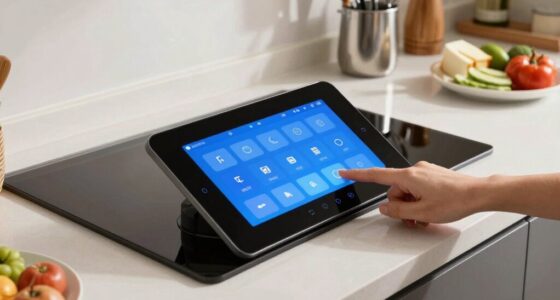
Technology enhances your accessible cooking experience through smart appliances and voice-controlled devices. These tools let you operate ovens, refrigerators, and other appliances hands-free, making cooking safer and more convenient. Voice commands help you adjust settings, set timers, or find recipes without physical effort. By integrating smart tech into your kitchen, you gain independence, efficiency, and a more enjoyable cooking process tailored to your needs.
What Training Is Available for Caregivers to Assist With Accessible Cooking?
You’ll find training programs that are as all-encompassing as the universe itself, equipping you with skills to assist with accessible cooking. These courses cover the use of adaptive utensils and sensory-friendly techniques, ensuring you can support someone effectively. Many organizations offer online workshops, in-person classes, and certification programs tailored for caregivers. This training boosts confidence and competence, making your support more impactful and empowering those you assist to cook independently and safely.
How Do Cultural Differences Influence Accessible Cooking Practices?
Cultural differences greatly influence accessible cooking practices by shaping how traditional techniques and cultural cuisine are adapted for accessibility. You might find that certain utensils or methods are modified to suit cultural preferences while maintaining authenticity. Embracing these variations helps you create inclusive cooking environments that respect diverse culinary traditions. By understanding and incorporating cultural nuances, you guarantee everyone can participate comfortably, enhancing both accessibility and cultural appreciation in the kitchen.
As an affiliate, we earn on qualifying purchases.
Conclusion
By embracing accessible cooking beyond mere convenience, you open the door to a more inclusive and empowering kitchen experience. It’s about turning obstacles into opportunities, making every meal a step toward independence. When you approach accessibility with an open mind, you’re planting seeds for a future where everyone can cook with confidence. Remember, it’s not just about breaking down walls but building bridges—because in the end, a little effort can turn your kitchen into a well-oiled machine.
adjustable height kitchen work surfaces
As an affiliate, we earn on qualifying purchases.
As an affiliate, we earn on qualifying purchases.
As an affiliate, we earn on qualifying purchases.
Fall Picks
fall essentials
As an affiliate, we earn on qualifying purchases.