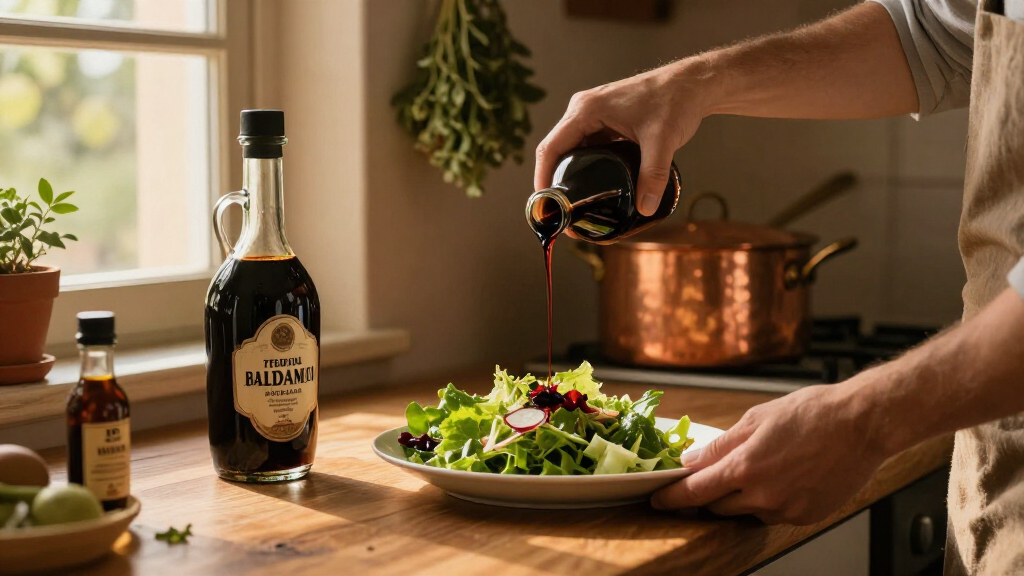

🔍 Read the full analysis: Balsamico Di Modena: Tradizionale Vs IGP And What Each Is For on Mad Tasting

Get kitchen gear delivered free — and shop member deals
- Fast, free delivery on millions of items
- Access to Prime Big Deal Days deals on October 6–7
- Prime Video, Amazon Music and more included
TL;DR
Balsamico di Modena Tradizionale DOP is a premium, aged vinegar made from cooked grape must, maturing at least 12 years, ideal for finishing dishes. IGP, a more versatile and younger vinegar, combines grape must with wine vinegar and matures for at least 60 days, suited for dressings and everyday cooking. Understanding these differences helps consumers select the right vinegar for each culinary purpose.
The core development is the formal distinction between Balsamico di Modena Tradizionale DOP and IGP, clarified through legal definitions and industry standards. This distinction is explained in detail in the original analysis. This distinction impacts how consumers and chefs select and use these vinegars, emphasizing their different roles in culinary applications.
Tradizionale DOP is made from cooked grape must, matured for at least 12 years in wooden barrels, resulting in a concentrated, aromatic, and glossy condiment. For more on the differences, see this detailed comparison. It is intended for use as a finishing touch on dishes like Parmigiano Reggiano or plated desserts, where its intense flavor can be appreciated drop by drop.
IGP combines grape must with wine vinegar, matures for a minimum of 60 days, and is designed for versatile use in dressings, marinades, sauces, and everyday cooking. It is generally thinner, sharper, and more accessible for general culinary needs, with a broader range of flavors depending on aging and ingredients.
Legal distinctions are based on ingredients and aging: DOP uses only cooked grape must and ages for a minimum of 12 years, while IGP includes wine vinegar and can be released after 60 days. To understand these differences more thoroughly, refer to the original analysis. These rules shape their texture, flavor, price, and ideal use cases.
Balsamico di Modena: Tradizionale vs IGP — and What Each Is For
Two vinegars share a name and a homeland, but not much else. Tradizionale DOP is a 12-year-aged elixir of cooked grape must meant to be used drop by drop. IGP is a younger, sharper everyday workhorse for dressings and cooking. Knowing the difference changes how you shop, cook, and finish a plate.
Two Vinegars, Two Jobs
The legal definitions dictate texture, flavor, price, and ideal use. Match the bottle to the task.
Tradizionale DOP
- Ingredients: cooked grape must only — nothing else
- Aging: minimum 12 years in wooden barrels
- Profile: concentrated, aromatic, glossy, sweet-sour complexity
- Best use: drop by drop on Parmigiano Reggiano, plated desserts, finished dishes
- Price: premium — small yields, years of evaporation
Balsamic IGP
- Ingredients: grape must blended with wine vinegar
- Aging: minimum 60 days
- Profile: thinner, sharper, more straightforward acidity
- Best use: dressings, marinades, sauces, everyday cooking
- Price: accessible — built for volume and versatility
The Rules Behind the Labels
DOP (Denominazione di Origine Protetta) imposes strict controls; IGP (Indicazione Geografica Protetta) allows broader ingredients and shorter aging.
| Criterion | Tradizionale DOP | Balsamico IGP |
|---|---|---|
| Base | Cooked grape must only | Grape must + wine vinegar |
| Min. Aging | 12 years in wood | 60 days |
| Texture | Dense, glossy, syrupy | Generally thinner |
| Flavor | Complex, aromatic, sweet-sour | Sharper, more direct |
| Culinary Role | Finishing, drop by drop | Dressings, marinades, cooking |
| Price Tier | Premium / collectors | Everyday accessible |
Using Tradizionale for finishing enhances flavor with complex aroma, while IGP provides the volume and acidity suited to dressings and cooking — preventing misuse, clarifying pricing, and protecting consumers from misleading labels.
The Journey of Each Bottle
The same raw material diverges into two very different products.
🍇 Grape Must
Trebbiano and Lambrusco grapes are harvested and their must is cooked down in Modena.
⚖️ The Fork
DOP continues with must alone; IGP blends in wine vinegar for volume and acidity.
🛢️ Aging
DOP rests 12+ years in shrinking wooden barrels; IGP matures in as little as 60 days.
🍽️ The Plate
DOP finishes cheese and desserts drop by drop; IGP powers dressings, sauces, and marinades.
Intensity At A Glance
Relative scale of key attributes — density, aromatic complexity, acidity, and versatility in cooking.
Quality among IGP vinegars varies widely by producer and aging — some are dense enough for finishing, blurring the practical line. Age-related language on labels doesn’t always reflect legal status, and it remains unclear how strictly all producers adhere to standards, or whether future regulations will tighten or relax requirements.
Frequently Asked
Expect clearer labeling standards, innovation in aging and blends, and growing consumer education ahead.
Can IGP replace Tradizionale DOP in recipes?
It depends on the dish. IGP suits dressings, marinades, and cooking, but Tradizionale is best for finishing refined dishes with aromatic complexity.
Why is Tradizionale so expensive?
Long aging, limited yield, traditional methods, and certification. Small quantities are produced over many years, concentrating flavor and aroma.
How can I tell if a label is authentic?
Look for official DOP or IGP seals and packaging details. Authentic Tradizionale specifies minimum aging and ingredients.
Is the flavor difference significant?
Yes. Tradizionale offers a complex, sweet-sour aromatic profile from prolonged aging; IGP is sharper and more straightforward for daily use.
Why Correctly Identifying Balsamico Types Matters for Cooking
Understanding the difference between Tradizionale DOP and IGP helps consumers and chefs make informed choices, ensuring they select the right vinegar for each culinary purpose. Using Tradizionale for finishing enhances flavor with its complex aroma, while IGP provides volume and acidity suitable for dressings and cooking, preventing misuse and optimizing dish outcomes.
This clarity also clarifies pricing and authenticity, protecting consumers from misleading labels and emphasizing the importance of protected designations in maintaining quality standards.
Balsamico di Modena Tradizionale DOP aged vinegar
As an affiliate, we earn on qualifying purchases.
As an affiliate, we earn on qualifying purchases.
Legal and Cultural Foundations of Balsamico Classification
The distinction stems from Italy’s protected designation laws: DOP (Denominazione di Origine Protetta) and IGP (Indicazione Geografica Protetta). DOP, or PDO, imposes stricter controls, requiring use of only cooked grape must and long aging in barrels, which historically aligns with traditional production methods in Modena. IGP, or PGI, allows broader ingredients and shorter aging, reflecting a more flexible approach suitable for everyday use.
Historically, Balsamico di Modena has evolved from a regional specialty to a globally recognized product, with the DOP label protecting traditional methods and regional identity. The IGP label, introduced later, offers a more accessible version for mass production and wider consumption.
“The key difference is in ingredients and aging: Tradizionale uses only cooked grape must and matures for at least 12 years, while IGP includes wine vinegar and can be ready after 60 days.”
— Mad Tasting expert
Balsamico di Modena IGP versatile vinegar
As an affiliate, we earn on qualifying purchases.
As an affiliate, we earn on qualifying purchases.
Remaining Questions About Quality and Labeling
While legal definitions are clear, the actual quality and flavor profiles of IGP vinegars vary widely depending on producer and aging process. Some IGP products may be dense enough for finishing, blurring the practical line between the two types. Additionally, labeling practices sometimes use age-related language that may not reflect legal status, leading to consumer confusion.
It is not yet fully clear how strictly producers adhere to these standards in all cases, and whether future regulations will tighten or relax certain production requirements.
aged balsamic vinegar for finishing dishes
As an affiliate, we earn on qualifying purchases.
As an affiliate, we earn on qualifying purchases.
Future Trends in Balsamico Production and Labeling
Expect ongoing enforcement of protected designations and clearer labeling standards to help consumers distinguish between traditional and IGP vinegars. Producers may also innovate in aging techniques and ingredient blends, expanding the range of products within each category.
Educational efforts by industry groups and regulatory bodies will likely increase awareness about proper use and appreciation of each vinegar type, guiding better purchasing decisions and culinary applications.
Italian balsamic vinegar for dressings
As an affiliate, we earn on qualifying purchases.
As an affiliate, we earn on qualifying purchases.
Key Questions
Can IGP Balsamico replace Tradizionale DOP in recipes?
It depends on the dish. IGP is suitable for dressings, marinades, and cooking, but Tradizionale is best for finishing and adding aromatic complexity to refined dishes.
Why is Tradizionale Balsamico so expensive?
Its high cost reflects long aging, limited yield, traditional production methods, and certification standards. It is produced in small quantities over many years, concentrating flavor and aroma.
How can I tell if a Balsamico label is authentic?
Look for official DOP or IGP labels, and check the packaging for specific designations and production details. Authentic Tradizionale will specify minimum aging and ingredients.
Is there a significant flavor difference between Tradizionale and IGP?
Yes. Tradizionale offers a complex, sweet-sour, aromatic profile due to prolonged aging, while IGP tends to be sharper, more straightforward, and suited for everyday use.
Source: Mad Tasting
Halloween Picks
halloween
As an affiliate, we earn on qualifying purchases.