
Using controlled heat during cooking helps you preserve moisture in proteins by allowing them to denature gradually, preventing rapid water loss. Steady, gentle heating keeps proteins stable and forms bonds that trap moisture inside, resulting in a tender, juicy texture. Overheating causes proteins to collapse and expel water, making dishes dry and tough. If you want to master moisture retention, understanding how precise temperature control works can make a big difference—keep exploring to learn more.

Get kitchen gear delivered free with Prime
- Fast, free delivery on millions of items
- Prime Video, Amazon Music and more included
- Member-only deals all year
Key Takeaways
- Controlled heat allows proteins to denature gradually, trapping moisture effectively.
- Gentle, steady heating prevents rapid water expulsion and structural collapse.
- Maintaining thermal stability reduces the risk of drying out or toughening proteins.
- Precise temperature management enables proteins to hold onto moisture during cooking.
- Techniques like sous-vide utilize controlled heat to ensure even, moisture-retentive cooking.
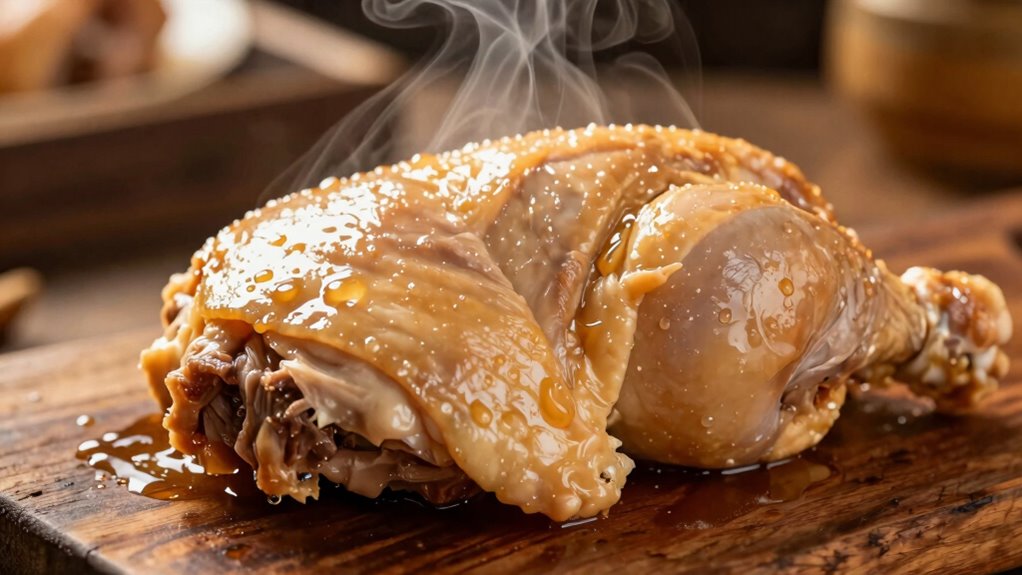
When you apply controlled heat to proteins, you can effectively preserve their moisture content, guaranteeing they remain tender and juicy. This process hinges on understanding how heat influences the structure of proteins through protein denaturation and how maintaining thermal stability is essential to preventing excessive moisture loss. Proteins, when heated, undergo a transformation where their complex structures unfold and lose their native conformation. This unfolding, known as protein denaturation, is a pivotal step because it can either help trap moisture or cause it to escape, depending on how carefully you manage the heat.
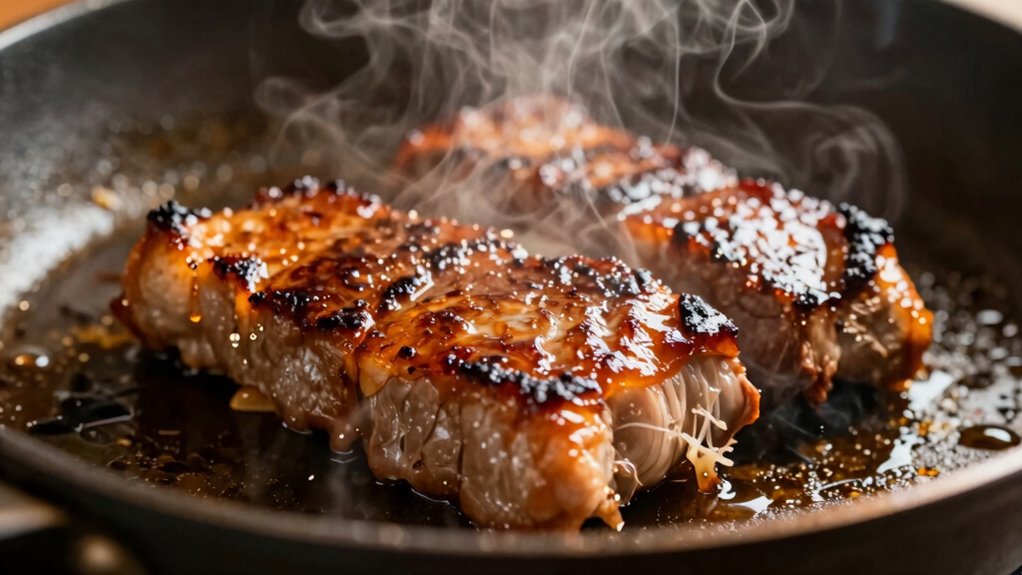
By controlling the temperature carefully, you prevent the proteins from overheating, which can lead to rapid denaturation and moisture loss. When proteins denature too quickly or excessively, the structure collapses, and the water held within the protein matrix gets driven out, resulting in dry, tough meat or poultry. However, when you use a gentle, steady heat, you allow proteins to denature gradually, maintaining their thermal stability. This gradual process helps the proteins form new, stable interactions that trap moisture and keep the meat juicy. Additionally, understanding the importance of thermal stability can help you optimize cooking methods to preserve moisture more effectively. Recognizing how protein denaturation impacts moisture retention allows chefs to refine their techniques for better results.
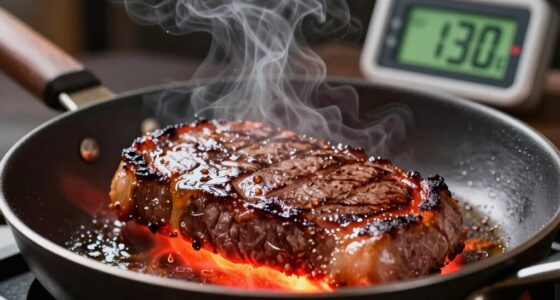
Thermal stability plays a fundamental role because it determines how well proteins can withstand heat without losing their functional properties, including moisture retention. With ideal thermal stability, proteins can maintain their integrity during cooking, reducing shrinkage and preserving tenderness. For example, in cooking methods like sous-vide, where temperature is precisely controlled, proteins denature slowly, enabling maximum moisture retention. This precise temperature management prevents the rapid loss of water, resulting in evenly cooked, moist, and tender food. Moreover, precise temperature control is crucial for delicate proteins like fish or chicken, which can quickly dry out if overheated. In contrast, slow and controlled heating encourages the proteins to reach a state where they are thermally stable yet still capable of holding onto moisture. This balance ensures that your final dish remains juicy, tender, and flavorful.
As an affiliate, we earn on qualifying purchases.
Frequently Asked Questions
Does Controlled Heat Affect the Nutritional Value of Proteins?
Controlled heat generally doesn’t considerably affect the nutritional value of proteins, but it can impact their protein structure. When you use gentle cooking methods, like steaming or sous vide, you preserve more of the amino acids and bioavailable nutrients. High heat, however, can cause some protein denaturation and nutrient loss. So, by choosing proper cooking methods, you retain more of the proteins’ nutritional benefits while maintaining their structure and moisture.
Can Controlled Heat Prevent Protein Denaturation?
Think of your proteins as delicate dancers on a stage—controlled heat is their gentle spotlight, preventing them from losing their balance. Yes, controlled heat can prevent protein denaturation by maintaining their structure and ensuring heat stability. When heat is carefully managed, it supports the integrity of the protein structure, avoiding the chaos of unfolding or clumping. This way, your proteins stay functional, tender, and full of nutritional value.
How Does Humidity Interact With Controlled Heat in Protein Preservation?
Humidity effects play a vital role when combined with controlled heat in protein preservation. You’ll find that ideal humidity levels prevent proteins from drying out or becoming overly moist, maintaining their structure. The heat interaction with humidity helps regulate the environment, reducing the risk of denaturation and moisture loss. By balancing humidity and heat, you guarantee proteins stay moist, tender, and structurally intact during storage or processing.
What Are Common Mistakes When Using Controlled Heat on Proteins?
Using controlled heat is like walking a tightrope—you need balance. A common mistake is overcooking proteins, which ruins textures and makes them tough. Another mistake is uneven heating, leading to inconsistent doneness and potential spoilage. To prevent these errors, monitor your heat carefully and use precise temperature controls. Staying attentive helps preserve moisture, keeps textures tender, and guarantees your proteins stay delicious and safe to eat.
Is Controlled Heat Suitable for All Types of Proteins?
Controlled heat isn’t suitable for all proteins, especially delicate ones. You need to manage temperature fluctuation carefully and monitor cooking duration closely. For tender proteins like fish or eggs, gentle, consistent heat preserves moisture and texture. However, tougher cuts like beef or pork might withstand higher temperatures and longer cooking times. Always adjust your heat and timing based on the specific protein to prevent overcooking or drying out.
As an affiliate, we earn on qualifying purchases.
Conclusion
By controlling heat, you’re like a skilled chef gently steering a delicate boat through calm waters, ensuring the protein stays moist and tender. When you master this technique, you prevent the proteins from drying out or becoming tough, keeping them juicy and flavorful. Think of it as nurturing a fragile flower—steady, precise heat helps it flourish without wilting. So, embrace controlled heat, and watch your proteins emerge perfectly moist and delicious every time.
moisture retention cooking techniques
As an affiliate, we earn on qualifying purchases.
As an affiliate, we earn on qualifying purchases.
temperature controlled cooking equipment
As an affiliate, we earn on qualifying purchases.
As an affiliate, we earn on qualifying purchases.
Fall Picks
fall essentials
As an affiliate, we earn on qualifying purchases.