
📊 Full opportunity report: Fresh Egg Pasta By Hand: The Weekend Project That Changes Your Cooking on Mad Tasting — validation score, market gap, and execution plan.
TL;DR
Making fresh egg pasta by hand is a straightforward weekend project that transforms your cooking. It involves mixing flour and eggs, kneading, resting, rolling, and shaping, with no special equipment needed. This skill enhances understanding of dough, texture, and sauce pairing.
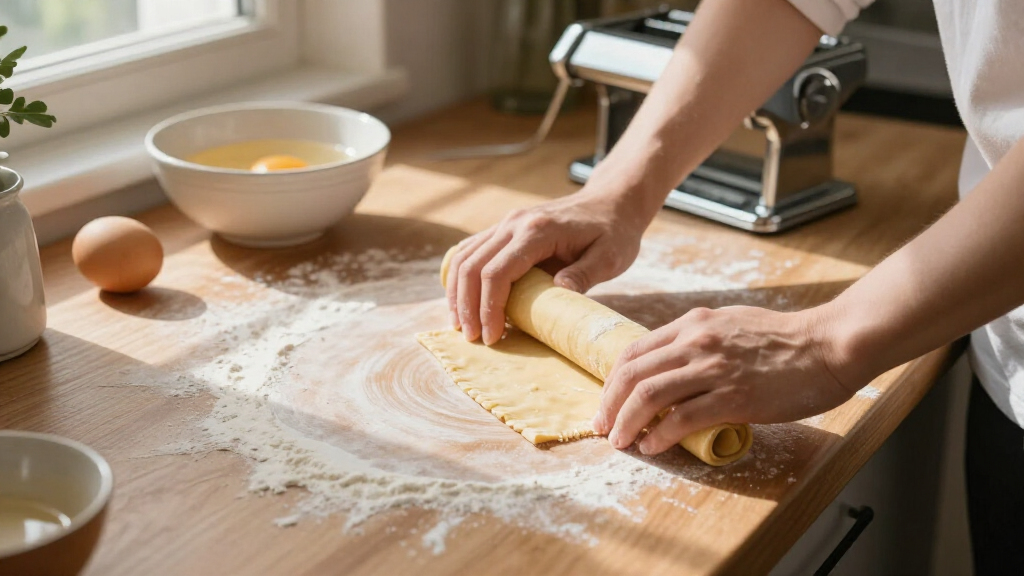
Making fresh egg pasta by hand is a accessible weekend project that can significantly elevate home cooking. This traditional technique involves mixing flour and eggs, kneading into a smooth dough, resting, and then rolling and shaping by hand. The process requires no special equipment beyond a rolling pin and a clean surface, making it achievable for most home cooks. The skill not only produces delicious pasta but also deepens understanding of dough consistency, texture, and technique, impacting how cooks approach sauces and other dishes.
The process begins with a simple ratio: approximately 100 grams of flour per large egg, a guideline rooted in Italian home cooking. This ratio ensures the dough has the right moisture content, balancing eggs’ water and fat with flour’s absorbency. The traditional method involves creating a well in a mound of flour, cracking eggs into the center, and gradually incorporating flour while mixing with a fork and then by hand. Kneading takes about 8–12 minutes until the dough is firm, cohesive, and only slightly tacky. Resting the dough for at least 30 minutes allows gluten development, which is essential for shaping and cooking.
Choosing the right flour affects the final texture. Italian ’00’ flour produces silky, tender pasta, ideal for delicate shapes like tortellini. All-purpose flour offers a chewier bite and is suitable for most home cooks starting out. Durum wheat flour, or semolina, yields a firmer, more golden pasta with a distinct bite, but requires more water. The dough can be rolled thin enough to see your hand’s shadow, then cut into shapes like tagliatelle or filled pasta like ravioli. Cooking is quick—1 to 3 minutes in boiling water—so timing is critical to prevent overcooking.
This technique teaches skills transferable to many dishes: judging hydration, gluten development, and texture. It also encourages improvisation when conditions change, such as humidity or egg size variation. The process emphasizes tactile feedback—learning how dough should feel—and offers a sense of mastery that enhances overall cooking confidence.
Fresh Egg Pasta By Hand: The Weekend Project That Changes Your Cooking
Flour, eggs, a rolling pin, and your hands are enough. This approachable project produces silky pasta while teaching hydration, gluten development, thickness, texture, and sauce pairing through direct tactile feedback.
Five stages from flour to the pot
The sequence is simple, but each stage provides feedback. Egg size, flour absorption, and humidity can shift the exact feel, so treat the ratio as a starting point rather than an unbreakable formula.
Make the well
Mound the flour on a clean surface and create a wide, stable center.
Add the eggs
Crack eggs into the well, beat with a fork, and gradually draw in flour.
Knead firmly
Work for 8–12 minutes until smooth, cohesive, elastic, and slightly tacky.
Rest the dough
Cover and rest for at least 30 minutes so the dough rolls without fighting back.
Roll and shape
Roll until a hand shadow is visible, then cut, fill, and cook immediately.
The flour sets the personality
There is no single correct flour. Select for tenderness, chew, or firmness—and expect absorbency to change when you blend or substitute.
Italian “00”
Fine milling supports tender, smooth sheets suited to delicate forms and filled pasta.
All-purpose
Accessible and forgiving, with a balanced chew that makes it a strong starting choice.
Durum or semolina
Creates a firmer, more golden result with a distinct bite and greater hydration needs.
| Flour | Result | Best starting use | Hydration behavior | Beginner fit |
|---|---|---|---|---|
| Italian “00” | Silky and tender | Tortellini, ravioli, fine sheets | Moderate adjustment | Strong |
| All-purpose | Balanced and chewy | Tagliatelle, lasagne, general use | Familiar and forgiving | Best first choice |
| Durum / semolina | Firm and golden | Rustic cuts and structured shapes | Often needs more water | Some practice |
Your hands are the real measuring tool
Traditional cooks respond to the dough in real time. Smoothness, spring, tackiness, and resistance reveal more than a fixed recipe can.
The kneading finish line
- 1 The surface looks smooth rather than shaggy.
- 2 The dough feels firm and cohesive.
- 3 It is slightly tacky but does not stick to the surface.
- 4 A light press springs back gradually.
- 5 The edges hold together without dry cracking.
Add moisture carefully
Target zone
Dust sparingly
Thickness is a flavor decision
Thin, delicate pasta favors restrained sauces. Wider or firmer shapes can carry richer ragù, fillings, and stronger textures without disappearing.
Tagliatelle
Roll thin enough to see the shadow of your hand, then cut into even ribbons.
Pappardelle
Keep a little more thickness and width so the pasta maintains a satisfying bite.
Ravioli or tortellini
Use tender, thin sheets and seal carefully to prevent trapped air or leaking edges.
Keep, adapt, and improve
Once the base dough feels familiar, variation becomes easier: new flours, natural colors, fillings, herbs, and shapes all build on the same feedback loop.
How long does fresh egg pasta last?
Store it in an airtight container in the refrigerator for up to two days. For longer storage, freeze well-sealed portions for up to one month.
Is a pasta machine necessary?
No. A rolling pin and patience can produce excellent sheets. A machine simply makes very thin, even rolling faster.
Can other flours be used?
Yes. Whole wheat, spelt, and gluten-free blends change flavor and structure, so hydration, resting, and kneading will need adjustment.
How do I avoid overcooking?
Have the sauce ready before the pasta enters the water. Fresh sheets and ribbons often finish in only 1–3 minutes, so taste early.
What should I try after the basic dough?
Move into spinach or beet dough, herbs and spices, filled ravioli, tortellini, or flour blends. Change one variable at a time so you can recognize what it contributes.
You stop following dough recipes blindly—and start understanding them.
Why Handmade Pasta Transforms Home Cooking
Learning to make fresh egg pasta by hand fundamentally changes how home cooks approach ingredients, texture, and flavor. It fosters a deeper appreciation for the craft behind traditional dishes and improves skills like dough handling and sauce pairing. The technique also offers a sense of accomplishment and flexibility, allowing cooks to adapt to ingredient variations and create a variety of pasta shapes without relying on machines. This skill connects home cooks to a rich culinary heritage and encourages more intentional, mindful cooking practices.
As an affiliate, we earn on qualifying purchases.
Traditional Italian Techniques and Modern Home Cooking
Egg pasta has been a staple of Italian cuisine for centuries, especially in regions like Emilia-Romagna. Historically, families used simple ratios and tactile feedback rather than precise measurements, passing techniques through generations. Modern home cooks now rediscover these methods, emphasizing the value of hands-on skills over reliance on pasta machines. The process remains largely unchanged, rooted in the fundamental understanding of dough consistency and technique. In recent years, the popularity of homemade pasta has surged, driven by interest in artisanal cooking and the desire for fresh, preservative-free ingredients.
“Pasta made by hand teaches you skills that transfer everywhere: judging hydration, developing gluten, controlling thickness, matching texture to sauce.”
— Mad Tasting
As an affiliate, we earn on qualifying purchases.
Uncertainties in Home Pasta Making Techniques
While the basic method is straightforward, variations in egg size, flour type, humidity, and individual technique can affect results. Precise hydration levels and dough consistency may differ from person to person, and the ideal rolling thickness varies depending on pasta shape and sauce pairing. Additionally, some cooks may prefer different resting times or kneading durations, which can influence texture and elasticity. There is also ongoing debate about whether to use a pasta machine or rolling pin, though both methods are valid. The impact of these variables on final quality remains partly subjective and based on personal preference.
As an affiliate, we earn on qualifying purchases.
Next Steps for Home Cooks and Pasta Enthusiasts
After mastering the basic dough, cooks are encouraged to experiment with different shapes, fillings, and sauces. Trying out variations like spinach or beet-infused dough can add color and flavor. Cooks can also explore different flour types or incorporate herbs and spices into the dough. The next step involves refining shaping techniques, such as making filled pasta like ravioli or tortellini, and pairing with complementary sauces. Many home cooks will find that developing a consistent routine enhances confidence and allows for creative variations. Community classes or online tutorials can provide additional guidance and inspiration.
As an affiliate, we earn on qualifying purchases.
Key Questions
How long does homemade egg pasta last in the fridge?
Fresh egg pasta can be stored in an airtight container in the refrigerator for up to two days. For longer storage, it can be frozen for up to a month, ideally laid flat and well-sealed.
Can I use different types of flour for pasta dough?
Yes, you can experiment with various flours such as whole wheat, spelt, or gluten-free blends. Each will affect the texture and flavor, so adjustments in hydration and kneading may be necessary.
Is a pasta machine necessary for making good pasta?
No, a pasta machine is not required. A rolling pin and patience can produce excellent results. However, a machine can help achieve thinner sheets more quickly and evenly.
How do I know when the dough is kneaded enough?
The dough should be smooth, elastic, and slightly tacky but not sticky. It should spring back when pressed lightly and hold together without cracking.
What sauces pair best with hand-cut pasta?
Delicate sauces like ragù, butter and sage, or light tomato sauces work well with thin pasta like tagliatelle. Firmer pasta shapes like pappardelle or lasagne sheets can support heartier sauces and fillings.
Source: Mad Tasting