During power outages, you can safely cook without relying on gadgets by using methods like solar cooking, which harnesses sunlight to prepare meals, or practicing canning to preserve food in advance. Solar cookers require only sunshine and minimal setup, while canning helps store fruits, vegetables, and meats for long-term use. These approaches boost your food resilience and keep meals coming. Keep exploring to discover more smart strategies for cooking during disruptions.

Get kitchen gear delivered free — and shop member deals
- Fast, free delivery on millions of items
- Access to Prime Big Deal Days deals on October 6–7
- Prime Video, Amazon Music and more included
Key Takeaways
- Use solar cookers to prepare meals and boil water without electricity or fuel.
- Canning and preserving seasonal produce ensure long-term food availability during outages.
- Rely on manual tools like hand-crank grain mills or manual grinders for food processing needs.
- Plan meals ahead and utilize non-electric methods such as outdoor grilling or open-fire cooking.
- Store non-perishable foods and learn simple preservation techniques to reduce reliance on power.
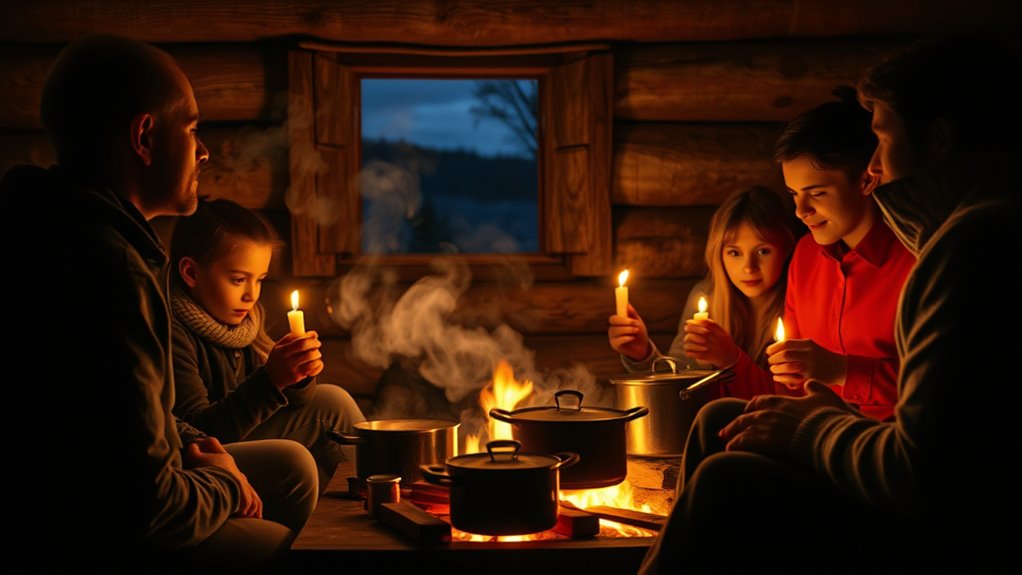
Have you ever been caught off guard by a sudden power outage? It’s a frustrating experience, especially when it interrupts your ability to cook and keep food safe. But there are practical ways to continue preparing meals without relying on electricity or gadgets. One effective method is mastering canning techniques, which let you preserve seasonal produce for months, ensuring you have nutritious food during extended outages. Canning involves sterilizing jars and sealing food in a way that prevents spoilage, so you can stockpile fruits, vegetables, and even meats ahead of time. Learning proper canning techniques means you won’t have to worry about refrigeration or spoilage, giving you peace of mind when the power’s out. Plus, it’s an empowering skill that adds resilience to your emergency preparedness plan. Sizing and load‑planning tools can help you determine the right equipment and resources for safe food preservation during emergencies.
Another sustainable and eco-friendly option is solar cooking. If you have access to sunlight, solar cookers can heat and prepare food without electricity or fuel. These devices work by concentrating sunlight into a cooking chamber, reaching temperatures high enough to boil water or cook meals. Solar cooking is especially useful because it requires no fuel, produces no emissions, and can operate entirely off-grid. When used effectively, solar cookers allow you to boil water for drinking or sanitation, cook grains, beans, or even bake bread. The best part? You don’t need a power outlet or gas to make it work—just a sunny day and some patience. Solar cooking also encourages you to plan meals ahead of time, as you’ll need to set up your cooker in advance and allow extra cooking time. It’s a simple, reliable method that can keep you fed during prolonged outages.
Both canning techniques and solar cooking are practical skills that enhance your emergency preparedness. They reduce dependence on electricity, help you preserve food safely, and offer versatile options for meal preparation. While canning requires some planning and a bit of practice, solar cooking benefits from being straightforward and environmentally friendly. Together, they form a robust approach to cooking during power outages, giving you control and confidence in tough situations. By integrating these methods into your preparedness routine, you’ll be better equipped to handle unexpected disruptions, ensuring your family’s safety and nourishment even when the grid goes down. Being proactive with these skills not only preserves food and conserves resources but also empowers you to face emergencies with resilience and self-reliance.
Frequently Asked Questions
How Can I Store Perishable Food Without Refrigeration?
To store perishable food without refrigeration, focus on food preservation techniques like canning, drying, or salting. Keep foods in a cool, dark place, and use a shaded, well-ventilated area to slow spoilage. Stock emergency snacks like canned goods, dried fruits, and nuts that don’t require refrigeration. These methods guarantee your food stays safe longer during power outages, helping you maintain a reliable supply of nutritious options.
What Are Safe Methods for Cooking Without Electricity?
Imagine a world where electricity is unavailable; you can still cook safely using solar ovens or open fire cooking. Solar ovens harness sunlight, making them eco-friendly and efficient, while open fire cooking offers a traditional, reliable method. Both require caution—keep fire contained and monitor cooking closely. These methods guarantee you prepare meals safely, even without gadgets, turning a power outage into a chance for resourceful, hands-on cooking.
How Do I Ensure Food Safety During Extended Outages?
To guarantee food safety during extended outages, you should use alternative cooking methods like a grill, fire pit, or camping stove, keeping food at safe temperatures. Store perishable items in a cool, insulated cooler with ice packs, and avoid leaving food out for too long. Regularly check your food and discard anything suspicious. Proper food storage solutions help prevent spoilage and keep your food safe until power is restored.
Are There Any Portable Cooking Devices Recommended for Emergencies?
You need portable cooking devices that can turn any emergency into a feast! Consider a solar oven; it harnesses the sun’s power to cook food without electricity. A camping stove, fueled by propane or butane, offers quick, reliable cooking anywhere. Both are game-changers in emergencies, ensuring you can prepare warm meals when gadgets fail. With these, you’ll conquer power outages and keep your loved ones fed and safe.
How Can I Maintain Hygiene While Preparing Food Without Gadgets?
You can maintain hygiene by practicing manual cleaning with soap and water before handling food. Use hands-only techniques to wash your hands thoroughly, scrubbing for at least 20 seconds. Keep utensils and surfaces clean with simple scrubbing, avoiding cross-contamination. Always wash your hands after touching raw ingredients or waste. Staying diligent with basic manual cleaning guarantees food safety, even without gadgets, helping prevent illness during power outages.
Conclusion
Now that you know how to cook without gadgets, you’re prepared for any power pause. Embrace the essentials, stay steady, and stay safe during outages. With simple skills and smart strategies, you can satisfy your stomach and strengthen your spirit. Remember, resilience is rooted in resourcefulness. So, stay savvy, stay safe, and savor the strength that comes from surviving every setback with skill and spirit. You’ve got this—power or no power.
Fall Picks
fall essentials
As an affiliate, we earn on qualifying purchases.





![Bread 🍞 [Bonnymama7]](https://thesmartsous.com/wp-content/uploads/2026/09/bread-bonnymama7-featured-260x140.jpg)