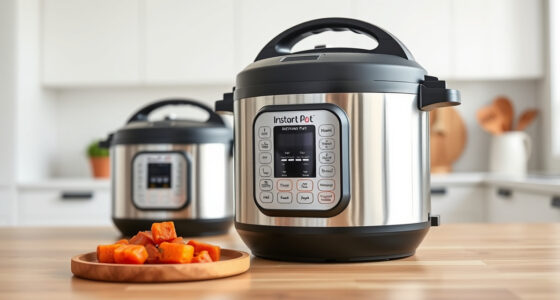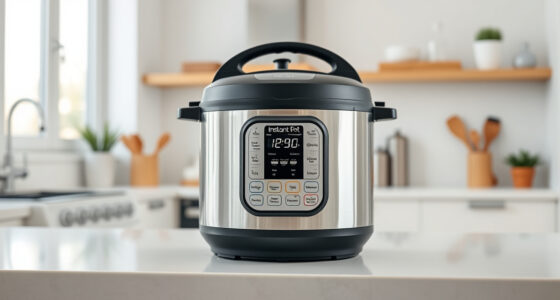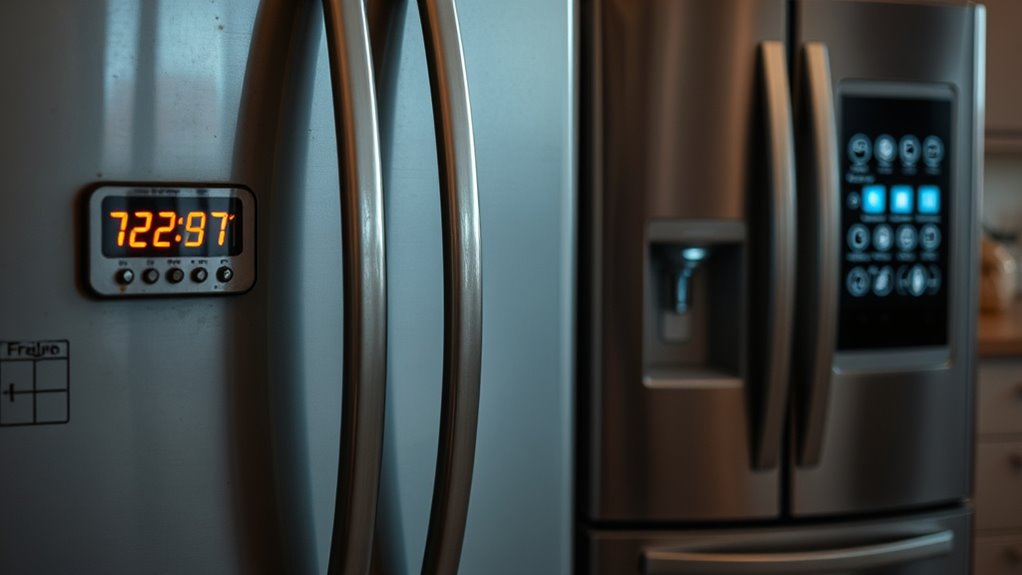

If you notice your appliances are costing more to run, breaking down frequently, or taking longer to do their jobs, it’s time to think about an upgrade. Appliances over 8-15 years old often lose efficiency, and repair costs can add up quickly. Poor performance and rising bills signal that a new model could save you money and hassle long-term. Keep an eye on these signs—details on how to know for sure await if you continue exploring.

Get kitchen gear delivered free with Prime
- Fast, free delivery on millions of items
- Prime Video, Amazon Music and more included
- Member-only deals all year
Key Takeaways
- Appliances over their typical lifespan (10-15 years) often become less efficient and need replacing.
- Rising repair costs and frequent breakdowns indicate it’s time for an upgrade.
- Declining performance, such as poor cleaning or longer cycles, suggests replacement is needed.
- Increasing energy bills point to reduced energy efficiency, making newer models more cost-effective.
- Overall, weighing repair costs against benefits of newer features helps determine the best upgrade timing.
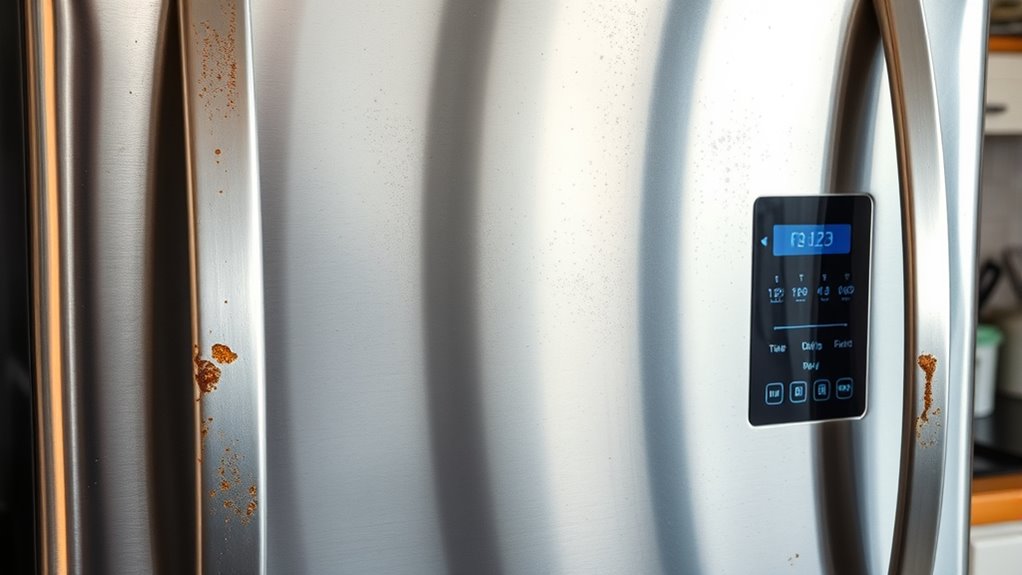
Wondering if it’s time to upgrade your appliance? It’s a common dilemma, especially when you’re trying to balance budget, convenience, and energy savings. One of the first signs you should consider replacing an old appliance is its declining energy efficiency. Over the years, appliances tend to become less effective at consuming power, which means your electricity bills could be be creeping higher without you realizing it. If your monthly utility bills have been steadily climbing, it’s worth checking whether your current appliance is to blame. Modern models are designed to be far more energy-efficient, helping you save money in the long run. Upgrading could cut your energy costs markedly, making it a smart financial move.
Declining energy efficiency signals it’s time to consider upgrading your appliance.
Another critical factor to watch for is repair costs. When your appliance starts breaking down frequently or needs constant repairs, it’s often a sign that it’s nearing the end of its life. Continuously fixing an old appliance might seem cheaper initially, but those costs can add up quickly. If you find yourself calling a repair technician more often than not, or if the repair bills are getting hefty, it’s likely more economical to replace it altogether. Repair costs tend to increase as appliances age, and sometimes, repairs aren’t worth the expense if the appliance’s overall reliability is compromised.
Beyond energy efficiency and repair costs, consider the age of your appliance. Most appliances have a typical lifespan—roughly 10 to 15 years for refrigerators, washers, and dryers, and about 8 to 10 years for dishwashers. If your appliance is approaching or surpassing this age range, it’s probably time to think about a replacement. Newer models often come with advanced features, better safety standards, and improved energy efficiency, making them a worthwhile investment.
Additionally, pay attention to how well your appliance functions. If it’s no longer performing as it used to—such as clothes not washing thoroughly or appliances taking longer to complete cycles—you should evaluate whether repairs or replacement makes more sense. Ultimately, if your appliance is costing you more in repairs or energy, and it’s showing signs of age, upgrading is likely the best course of action. Not only will you enjoy more reliable performance, but you’ll also benefit from lower energy bills and reduced maintenance headaches. Making that switch at the right time can save you money and frustration in the long run.
A good rule of thumb is to consider appliance lifespan and assess if your current unit has exceeded that timeframe, signaling a likely need for replacement.
As an affiliate, we earn on qualifying purchases.
Frequently Asked Questions
How Can I Tell if My Appliance Is Energy-Efficient?
You can tell if your appliance is energy-efficient by checking its energy consumption and looking for an appliance label, like ENERGY STAR. These labels indicate the appliance meets energy-saving standards, helping you save on utility bills. Additionally, compare the energy consumption of your current appliance with newer models. If it’s high or lacks a label, upgrading to an energy-efficient appliance can reduce costs and environmental impact.
Are Smart Appliances Worth the Investment Long-Term?
Smart appliances are definitely worth the investment long-term. They can save you energy, money, and time, making your household run smoother than ever. With advanced technology compatibility, you can control and monitor your appliances remotely, ensuring peak energy savings. Although they might seem pricey upfront, the convenience and efficiency they offer will pay off over time, transforming your home into a smart, eco-friendly haven.
What Safety Features Should I Look for in a New Appliance?
You should look for safety features like child safety locks and automatic shut-off in your new appliance. These features help prevent accidents and keep little ones safe around hot surfaces or moving parts. Fire prevention features, such as thermal sensors or fire suppression systems, are essential too. Prioritize appliances with these safety measures to protect your family and reduce risks of fire or injury, ensuring peace of mind in your home.
How Do I Recycle or Dispose of My Old Appliance Responsibly?
You should recycle or dispose of your old appliance responsibly by following proper disposal methods. Start with recycling tips like removing any hazardous materials and checking if local recycling centers accept appliances. Consider donating if it’s still functional. If not, contact your municipality for eco-friendly disposal options. Avoid dumping in landfills to protect the environment. Always guarantee you follow safety guidelines, especially for appliances containing refrigerants or batteries.
Can I Upgrade My Current Appliance With Smart Technology?
Yes, you can upgrade your current appliance with smart technology. Many models now support voice control and remote monitoring, making them more convenient and efficient. You might add a smart hub or compatible accessories that enable these features without replacing the entire appliance. Just make certain your device is compatible and follow the manufacturer’s instructions for installation. This way, you enjoy modern features without the cost of a full upgrade.
As an affiliate, we earn on qualifying purchases.
Conclusion
When your appliance starts acting up, it’s like a warning bell ringing—don’t ignore it. Upgrading when you notice frequent breakdowns, rising energy bills, or outdated features can save you headaches and money down the road. Think of it as trading in an old, tired car for a sleek new ride; your home will thank you with better efficiency and convenience. So, trust your instincts and don’t let your old appliance become a sinking ship.
smart dishwasher with energy saving features
As an affiliate, we earn on qualifying purchases.
As an affiliate, we earn on qualifying purchases.
reliable dryer with long lifespan
As an affiliate, we earn on qualifying purchases.
As an affiliate, we earn on qualifying purchases.
Fall Picks
fall essentials
As an affiliate, we earn on qualifying purchases.