
To clean your gadgets safely, first check their labels or manufacturer instructions for dishwasher safety. If they’re labeled as dishwasher-safe, place them on the top rack, avoiding the heating element, and skip high-heat cycles. For non-dishwasher-safe devices, use a soft, damp cloth and mild soap for gentle cleaning. Improper methods can cause damage or reduce lifespan, so keep this in mind—it’s worth exploring more to protect your gadgets effectively.

Get kitchen gear delivered free with Prime
- Fast, free delivery on millions of items
- Prime Video, Amazon Music and more included
- Member-only deals all year
Key Takeaways
- Always check device labels for dishwasher safety instructions before cleaning.
- Use gentle cleaning methods like soft, damp cloths and mild soap for non-dishwasher-safe gadgets.
- Place dishwasher-safe devices on the top rack, avoiding the heating element and high-heat cycles.
- Limit dishwasher use to prevent material degradation, and opt for hand washing when in doubt.
- Regularly inspect gadgets for damage, and avoid abrasive scrubbers or harsh chemicals to prolong lifespan.
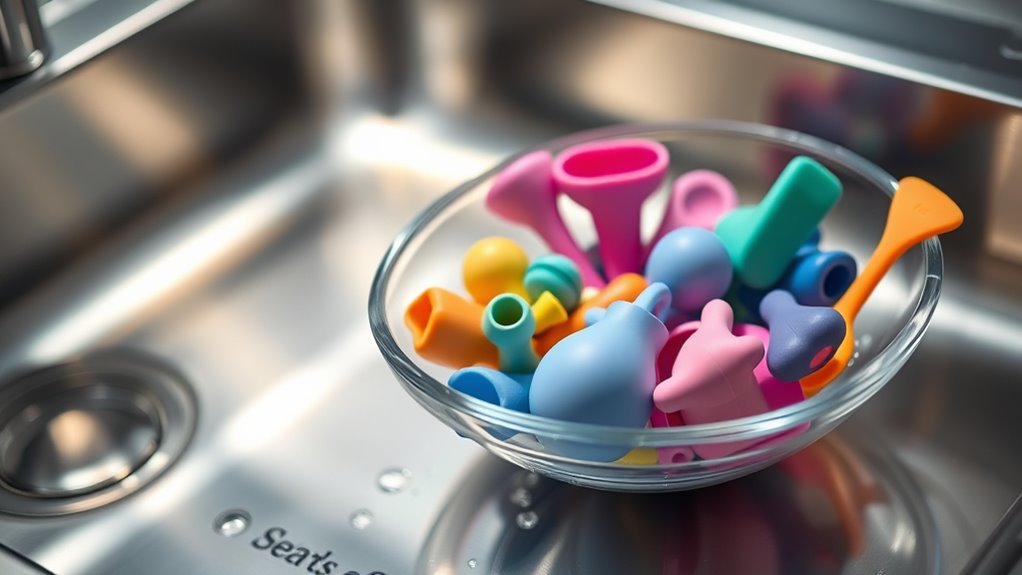
Many gadgets today are designed to withstand the dishwasher, making cleanup faster and more convenient. But before you toss your device in, it’s essential to consider the cleaning methods you use and how they impact the device’s durability. Not every gadget can handle the high heat, strong detergents, or vigorous water jets that dishwashers employ. Understanding which cleaning methods are safe and which could cause damage helps you prolong your device’s lifespan and maintain its functionality.
Many gadgets are dishwasher safe, but always check instructions to avoid damage from heat or harsh detergents.
When evaluating whether your gadget is dishwasher safe, check the manufacturer’s instructions carefully. These typically specify if a device can endure the dishwasher’s conditions or if it’s better cleaned by hand. If it’s labeled dishwasher safe, it means the device’s materials and construction are designed to handle the cleaning process without degrading. In contrast, non-dishwasher-safe gadgets require gentler cleaning methods. Using the wrong cleaning approach can damage sensitive components, compromise seals, or warp plastic parts, reducing the overall durability of your device.
Cleaning methods vary from simple wiping to full immersion, and selecting the right one depends on your gadget’s design. For instance, devices with electronic parts or delicate surfaces should never be submerged in water or placed in the dishwasher. Instead, a soft, damp cloth with mild soap usually suffices. For devices that are dishwasher safe, placing them on the top rack and avoiding the heating element minimizes risk. Always opt for gentle cycles and skip the drying phase if possible, as high heat can affect certain materials or electronics.
Device durability depends heavily on how you clean your gadgets. Even if a device is dishwasher safe, excessive exposure to heat, strong detergents, or repeated cycles can wear down materials over time. It’s wise to limit dishwasher cleaning to occasional use and prefer hand washing for regular maintenance. Regular inspections for cracks, warping, or degraded seals can help you catch issues early before they cause more significant damage. When cleaning, avoid abrasive scrubbers or harsh chemicals, which can scratch surfaces or weaken protective coatings, reducing the device’s lifespan.
In essence, knowing the appropriate cleaning methods for your gadgets and understanding their durability limits ensures you don’t inadvertently ruin them. When in doubt, stick to gentle cleaning techniques and follow the manufacturer’s guidelines. This approach helps preserve both the appearance and functionality of your devices, letting you enjoy the convenience of dishwasher-safe gadgets without risking damage. Proper care and maintenance mean your gadgets will last longer, perform better, and stay in great shape for years to come.
dishwasher safe gadgets cleaning
As an affiliate, we earn on qualifying purchases.
As an affiliate, we earn on qualifying purchases.
Frequently Asked Questions
Can I Put My Smartwatch in the Dishwasher?
You shouldn’t put your smartwatch in the dishwasher, even if it has a high waterproof rating. Water and cleaning agents can damage internal components, regardless of its water resistance. Instead, clean it regularly with a damp cloth and avoid excessive moisture. Follow your device’s recommended cleaning frequency to keep it in good shape without risking water damage. Always check the manufacturer’s guidelines before attempting any deep cleaning.
What Cleaning Products Are Safe for Electronic Gadgets?
Imagine your gadgets as delicate flowers—you wouldn’t douse them in harsh chemicals, right? Stick to gentle cleaning solutions like isopropyl alcohol (at least 70%) or a soft cloth dampened with water. These guarantee electronic safety while effectively removing dirt. Avoid harsh chemicals or abrasive cleaners, as they can damage screens or internal components. Keep your devices pristine without risking harm; gentle solutions are your best friends in this delicate dance.
How Do I Dry Gadgets After Cleaning?
After cleaning your gadgets, you should gently dry the screen using a soft, lint-free cloth to avoid streaks. For gadget maintenance, avoid using abrasive materials that could scratch surfaces. Let your device air dry in a well-ventilated area, ensuring all moisture evaporates before powering it on. Proper screen drying helps prevent water damage, and gentle handling keeps your gadgets in top condition for longer.
Are There Specific Dishwasher Cycles for Electronics?
Dishwasher cycles don’t typically cater to electronic safety, so you shouldn’t rely on them for gadgets. Instead, opt for gentle, hand-washing methods. If you must use a dishwasher, select the delicate or low-heat cycle, but only if your device is explicitly marked dishwasher-safe. Remember, many electronics aren’t designed for dishwasher damage, so prioritize proper cleaning practices to safeguard your gadgets and ensure longevity.
How Often Should I Clean My Gadgets?
You should clean your gadgets weekly to maintain peak performance and hygiene. Use ultrasonic cleaning for delicate items, as it effectively removes dirt without damage. For DIY gadget cleaning, avoid harsh chemicals and water exposure—stick to soft cloths and gentle solutions. Regular cleaning prevents buildup and prolongs device lifespan, making ultrasonic cleaning a safe, efficient method for keeping your gadgets spotless without risking harm.
gentle cleaning cloth for electronics
As an affiliate, we earn on qualifying purchases.
As an affiliate, we earn on qualifying purchases.
Conclusion
Knowing whether your gadgets are dishwasher safe can save you from a world of trouble. Always check the labels or manufacturer’s instructions before tossing them in. When in doubt, play it safe—hand wash instead of risking a ruined device. Remember, a little caution goes a long way, and it’s better to be safe than sorry. Don’t let a simple mistake turn into a costly lesson; keep your gadgets in top shape by cleaning smartly.
As an affiliate, we earn on qualifying purchases.
top rack dishwasher safe containers
As an affiliate, we earn on qualifying purchases.
As an affiliate, we earn on qualifying purchases.
Fall Picks
fall essentials
As an affiliate, we earn on qualifying purchases.