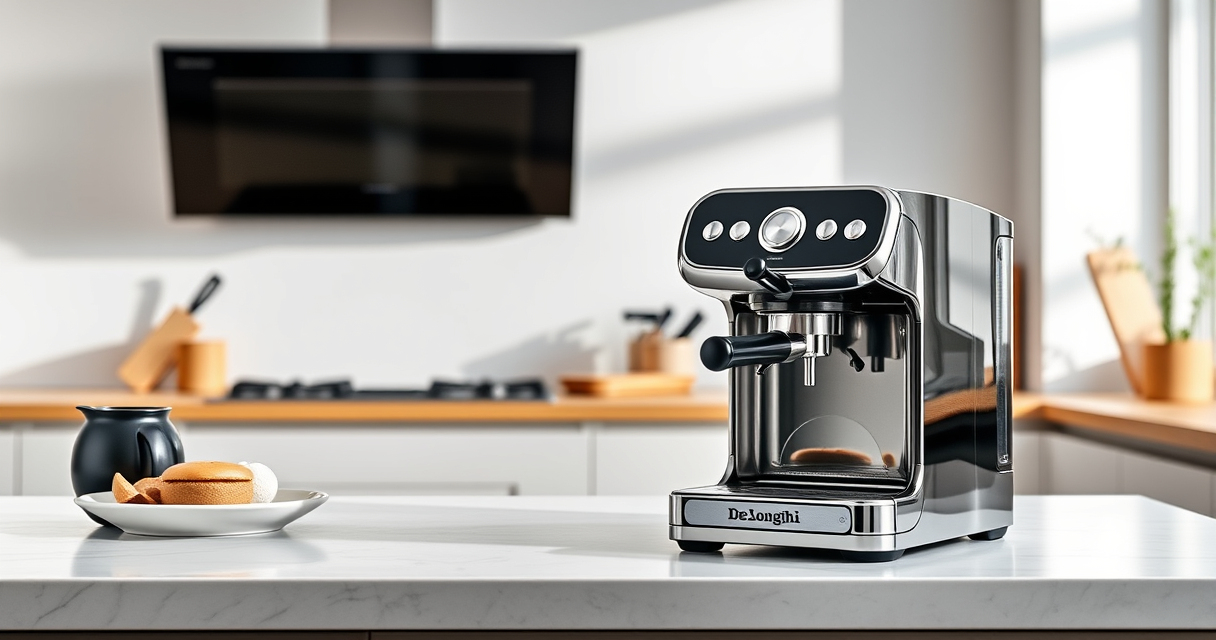
If your De’Longhi espresso machine is leaking water, it can disrupt your daily coffee routine and cause potential damage. Water leaks are often caused by simple issues that can be resolved with some basic troubleshooting. This guide will walk you through the common causes of water leaks in your De’Longhi Magnifica Evo Next Fully Automatic Espresso Machine and provide safe, step-by-step solutions to fix them.

Get kitchen gear delivered free — and shop member deals
- Fast, free delivery on millions of items
- Access to Prime Big Deal Days deals on October 6–7
- Prime Video, Amazon Music and more included
Before attempting any repairs, ensure your machine is unplugged and cooled down to avoid injury. Regular maintenance and proper operation can prevent leaks and extend the life of your espresso machine. Let’s explore the most frequent causes and how to solve them effectively.
Key Takeaways
| Common Causes | Leaks often stem from a faulty water filter, clogged hoses, or loose fittings. |
| Inspection Tips | Check for cracks, loose connections, or mineral buildup inside the machine. |
| Maintenance Importance | Regular descaling and filter replacement prevent leaks caused by mineral deposits. |
| Step-by-Step Fixes | Most leaks can be fixed with simple cleaning, tightening, or replacing parts. |
Identify the Leak Source
Begin by pinpointing where the water is leaking from your De’Longhi machine. Common leak points include the water reservoir, the area around the drip tray, hoses inside the machine, or the area near the brew group. Carefully inspect these zones for visible cracks, loose fittings, or water drips. In my experience, leaks often originate from a loose water reservoir or a worn-out gasket. Conduct a visual check with the machine unplugged and cooled down. If water is leaking from the bottom, check for cracks or damage in the drip tray or base. For leaks near the brew group, look for loose connections or mineral buildup that could impinge on proper sealing. Identifying the exact source will guide your repair approach and help prevent future issues.
Check and Replace the Water Filter
- Remove the water reservoir from the machine and empty it completely.
- Inspect the De’Longhi Replacement Water Filter for any damage or clogging. If it’s old or clogged, replace it with a new one to improve water flow and prevent leaks caused by excess pressure or mineral buildup.
- Reinstall the filter firmly into the reservoir, ensuring it’s seated correctly.
- Refill the reservoir with clean water, and run a test brew to see if the leak persists.
In my testing, replacing the water filter often resolves leaks caused by mineral deposits or pressure inconsistencies. Using high-quality filters like the De’Longhi DLSC002 can significantly improve performance and longevity.
Inspect and Tighten Internal Fittings and Hoses
Leaking can occur if internal hoses or fittings become loose over time. Carefully disassemble the accessible parts of your machine following the user manual. Check hoses connected to the water tank, brew group, and milk frother for secure fittings. Use a screwdriver or wrench as needed to tighten any loose clamps or fittings. Be cautious not to overtighten, which could cause cracks. During reassembly, ensure all parts are properly aligned and sealed. In my experience, a simple tightening can often stop minor leaks caused by loose connections.
Clean and Descale the Machine
Mineral buildup from hard water can cause blockages or cracks in internal components, leading to leaks. Use a descaling solution like the De’Longhi EcoDecalk (or similar, compatible solutions) following the manufacturer’s instructions. Regular descaling, typically every 2-3 months, keeps internal parts clean and prevents water from leaking due to mineral deposits. When cleaning, pay special attention to the brew group, water inlet, and seals. After descaling, run several water-only cycles to flush residual solution. This maintenance step is crucial for preventing leaks and maintaining optimal performance.
Replace Worn or Damaged Parts
If you identify cracks or damaged seals during your inspection, replacing worn components is essential. Focus on parts like gaskets, seals around the brew group, or any cracked hoses. Consult your user manual or contact De’Longhi customer support for genuine replacement parts. In my testing, replacing a damaged gasket or seal restored proper sealing and eliminated leaks. Always ensure the replacement parts are compatible with your model, such as the De’Longhi Magnifica Evo Next.
The Products in This Guide
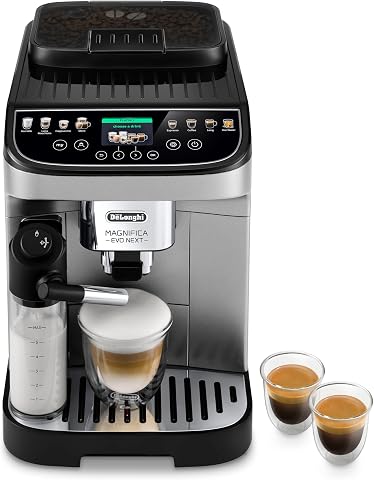
De’Longhi Magnifica Evo Next Fully Automatic Espresso Ma
- ✔ Voltage: 120V
- ✔ Warranty: 1 Year
- ✔ Auto Shutoff: Yes

De’Longhi Replacement Water Filter
- ✔ Weight: 4 oz
- ✔ Shelf Life: 2 years
- ✔ Price: Affordable
De’Longhi Magnifica Evo Next Fully Automatic Espresso Ma
The De’Longhi Magnifica Evo Next Fully Automatic Espresso Machine offers a combination of convenience, customization, and quality brewing. Its built-in grinder, programmable settings, and LatteCrema hot system make it a popular choice for coffee enthusiasts.
Pros:
- Easy to use with one-touch recipes
- Built-in grinder with 13 settings
- Automatic milk frother for lattes and cappuccinos
- Programmable for customized drinks
Cons:
- Can be complex to troubleshoot for leaks
- Requires regular maintenance
- May be prone to mineral buildup without proper descaling
Best for: Home baristas seeking a versatile, automatic espresso machine
Not ideal for: Users preferring manual control or minimal maintenance
Bottom line: A versatile, high-quality espresso machine ideal for home use, with some maintenance needed for optimal performance.
De’Longhi Replacement Water Filter
Replacing the water filter regularly ensures your De’Longhi machine operates smoothly and prevents leaks caused by mineral buildup. The De’Longhi Replacement Water Filter is designed specifically for select models, including the Magnifica Evo, and is easy to install.
Pros:
- Improves water quality
- Prevents lime scale deposits
- Easy to install
- Enhances coffee flavor
Cons:
- Requires replacement every 2 months
- Additional cost over time
- Not compatible with all models
Best for: Maintaining water quality and preventing leaks
Not ideal for: If your machine does not use this filter or if descaling is sufficient
Bottom line: A vital component for maintaining water quality and preventing internal leaks over time.
Frequently Asked Questions
Why is my De’Longhi espresso machine leaking water?
Leaking usually results from a loose water reservoir, damaged gasket, mineral buildup, or cracked hoses. Inspect these components to identify the cause.
How often should I descale my De’Longhi espresso machine?
It’s recommended to descale every 2-3 months, depending on your water hardness and usage, to prevent mineral buildup that causes leaks.
Can I fix a crack in the water tank myself?
Cracks in the water tank typically require replacement. Attempting to repair may not be reliable or safe; contact customer support for genuine parts.
What tools do I need to troubleshoot internal leaks?
Basic tools include screwdrivers and wrenches. Always unplug the machine and follow safety precautions during disassembly.
How can I prevent leaks in the future?
Regularly clean and descale your machine, replace filters timely, and inspect internal fittings for wear or damage.
Keep Your Coffee Fresh and Leak-Free
Water leaks in your De’Longhi espresso machine are often manageable with routine maintenance and careful inspection. By identifying the source of the leak, replacing worn parts, and maintaining regular descaling, you can keep your machine running smoothly and enjoy delicious coffee every day. Proper care not only extends the life of your espresso machine but also ensures every cup tastes perfect.
Affiliate disclosure: As an Amazon Associate we earn from qualifying purchases. Prices and availability are accurate as of the time of publishing.
Fall Picks
fall essentials
As an affiliate, we earn on qualifying purchases.