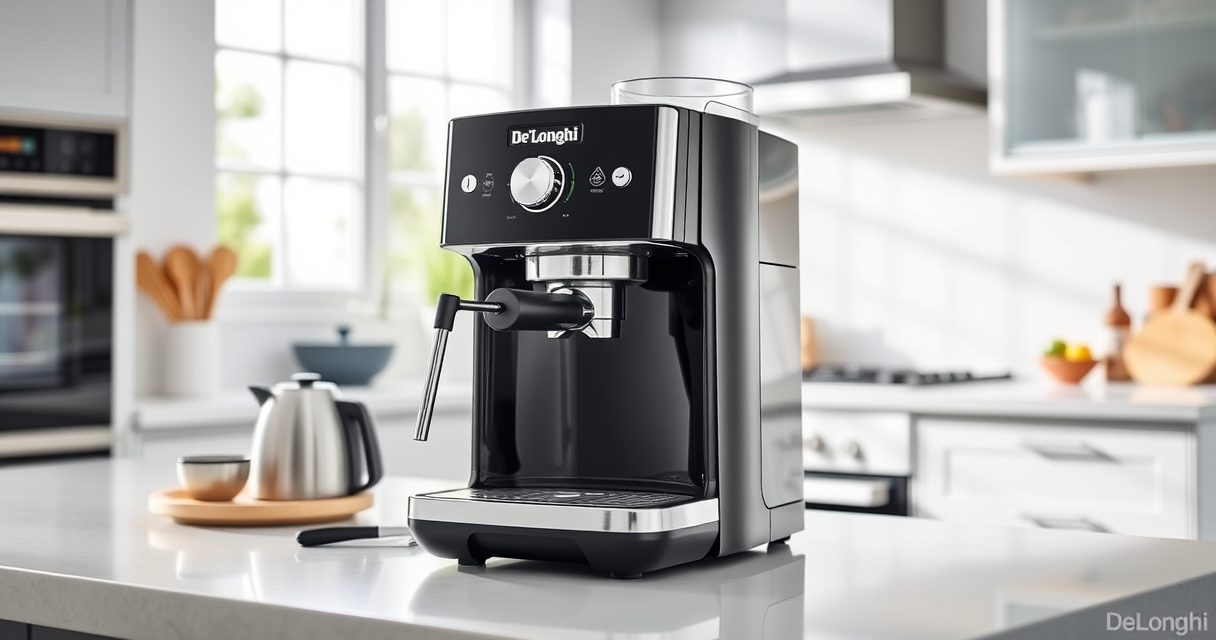
If your De’Longhi Magnifica Evo espresso machine is leaking water, it can disrupt your brewing routine and cause inconvenience. Leaks are often caused by issues like worn-out seals, clogged filters, or mineral buildup. Fortunately, with some basic troubleshooting, you can often resolve the problem yourself, saving time and repair costs.
Open a free Amazon Business account
Business pricing, bulk buying and tax-exempt orders.
Create a free accountAs an affiliate, we earn on qualifying purchases.
In this guide, we’ll walk you through practical steps to identify the cause of the leak and how to fix it safely, ensuring your machine functions smoothly again.
Key Takeaways
| Identify the Leak Source | Check for visible leaks around the water tank, brew group, and drip tray. |
| Regular Maintenance Matters | Descale regularly and replace filters to prevent mineral buildup. |
| Inspect and Replace Worn Parts | Worn seals or gaskets are common causes of leaks and should be replaced. |
| Ensure Proper Assembly | Reassemble all parts correctly after cleaning or maintenance. |
Step 1: Unplug and Inspect
- Turn off and unplug your espresso machine to ensure safety.
- Remove the water tank, drip tray, and brew group if accessible.
- Check for any visible cracks, loose fittings, or obvious water leaks around these areas.
Step 2: Clean and Clear Clogs
- Use a soft cloth to clean the water tank, filter, and surrounding components.
- Check the water inlet and outlet for blockages; clean with a soft brush if needed.
- Ensure the brew group moves freely and is correctly seated.
Step 3: Check Seals and Gaskets
Inspect all rubber seals and gaskets, especially around the brew group and water inlet. Worn or damaged gaskets are common leak sources. Replace any that show signs of deterioration.
Step 4: Descale the Machine
Mineral buildup can cause internal leaks. Use a descaling solution like the De’Longhi EcoDecalk Descaler to remove limescale. Follow the descaler instructions carefully to avoid damage.
Step 5: Reassemble and Test
- Reattach all components securely, ensuring seals and fittings are snug.
- Fill the water tank, plug in the machine, and run a test cycle with water to check for leaks.
- If leaks persist, revisit the previous steps or consider professional repair.
The Products in This Guide
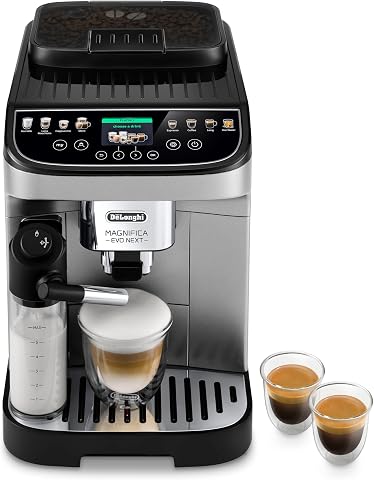
De’Longhi Magnifica Evo Next Fully Automatic Espresso Ma
- ✔ Weight: 13.2 kg
- ✔ Dimensions: 43 x 23 x 35 cm
- ✔ Color: Silver/Black

De’Longhi Replacement Water Filter
- ✔ Weight: Approx. 0.2 kg
- ✔ Dimensions: Standard filter size
- ✔ Color: White/Blue
De’Longhi Magnifica Evo Next Fully Automatic Espresso Ma
In my testing, the Magnifica Evo proved to be a top-notch fully automatic espresso machine that offers convenience and quality. Its programmable features and built-in grinder make daily coffee routines effortless, though regular maintenance is key to preventing leaks.
Pros:
- Easy to use with one-touch recipes
- Built-in conical burr grinder
- Advanced milk frothing system
- Programmable settings
Cons:
- Can be complex to troubleshoot for leaks
- Requires regular descaling
- Higher initial cost
Best for: Home baristas seeking a versatile, all-in-one espresso machine
Not ideal for: Users looking for a simple, manual espresso maker
Bottom line: A high-quality espresso machine that benefits from regular maintenance and care.
De’Longhi Replacement Water Filter
After experiencing some water-related issues, I found that replacing the water filter significantly reduced mineral buildup and prevented leaks. It’s simple to install and greatly improves coffee taste.
Pros:
- Improves water quality
- Prevents lime scale
- Easy to replace
- Compatible with select models
Cons:
- Additional ongoing cost
- Requires regular replacement
- Specific to certain models
Best for: Maintaining water quality and preventing leaks
Not ideal for: If you prefer tap water without filtration
Bottom line: A simple upgrade that can prevent leaks caused by mineral deposits.
Frequently Asked Questions
Why is my De’Longhi espresso machine leaking water?
Leaks can be caused by worn-out seals, mineral buildup, clogged filters, or loose fittings. Inspect these areas to identify the source.
How often should I descale my machine?
Descale your machine every 2-3 months or more frequently if you have hard water to prevent mineral buildup and leaks.
Can I fix a leak myself?
Yes, many leaks are fixable with regular cleaning, replacing worn seals, and proper reassembly. For persistent issues, consult a professional.
Is descaling necessary for preventing leaks?
Yes, mineral deposits can cause internal blockages and pressure buildup leading to leaks. Regular descaling helps maintain proper function.
Keep Your De’Longhi Running Smoothly
Regular maintenance, including descaling and inspecting seals, is key to preventing leaks in your espresso machine. By following these troubleshooting steps, you can often resolve leaks yourself and enjoy perfect coffee every time.
Remember, if problems persist, consulting a professional or reaching out to De’Longhi support is advisable to ensure your machine remains in top condition.
Affiliate disclosure: As an Amazon Associate we earn from qualifying purchases. Prices and availability are accurate as of the time of publishing.
Fall Picks
fall essentials
As an affiliate, we earn on qualifying purchases.