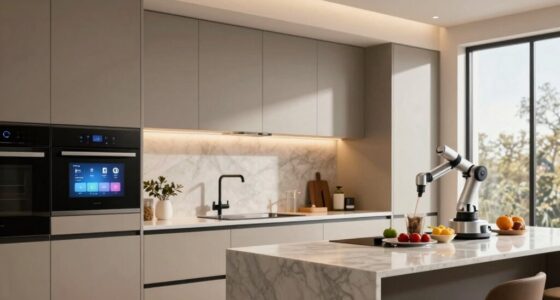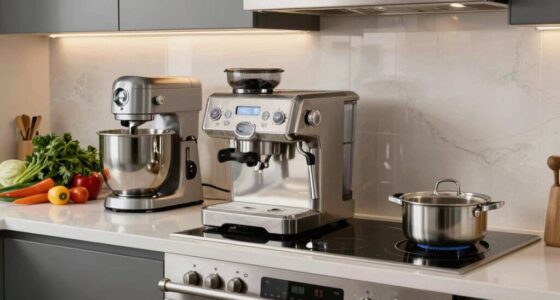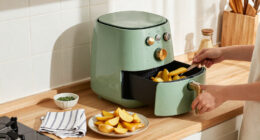
If you place appliances on rough or textured surfaces, setup friction can cause unnecessary wear and strain. This increases energy consumption, shortens their lifespan, and makes repositioning difficult. Excess friction can also lead to safety risks like tipping or damage, especially if debris gets trapped underneath. Over time, these issues lead to higher bills, maintenance headaches, and potential hazards. Keep listening to discover how proper setup protects your appliances and saves you money.

Get kitchen gear delivered free with Prime
- Fast, free delivery on millions of items
- Prime Video, Amazon Music and more included
- Member-only deals all year
Key Takeaways
- Excessive friction causes appliances to work harder, increasing energy consumption and reducing efficiency.
- High friction can lead to physical damage, wear, and a shorter lifespan for the appliance.
- Difficult repositioning or maintenance due to friction risks accidental damage or safety hazards.
- Trapped debris and dirt from friction can cause overheating and promote mold or corrosion.
- Improper setup with high friction surfaces can compromise safety and lead to costly repairs.
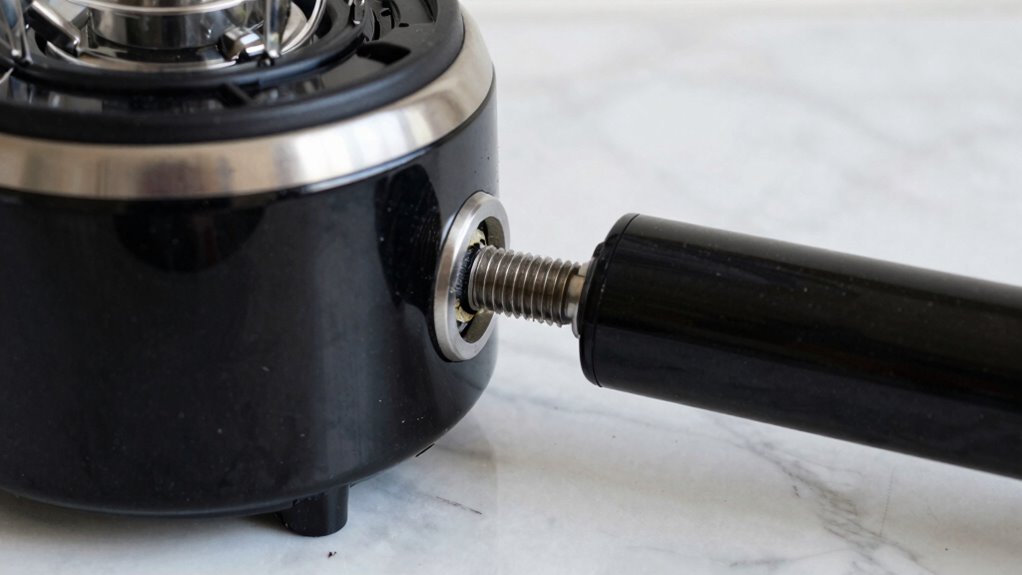
Setting up appliances on surfaces with high friction can seem straightforward, but it often leads to unexpected problems. When you place a device on a rough or textured surface, the increased friction can cause more than just stability issues. For example, if your refrigerator or microwave isn’t sitting evenly because of uneven contact with a high-friction surface, the motor has to strain to keep the appliance running smoothly. Over time, this extra effort wastes energy, increasing your utility bills and reducing the lifespan of the device. You might think that a stable setup is enough, but the hidden toll on energy efficiency can be significant, especially if the appliance continuously struggles against resistance caused by the surface it’s placed on. Additionally, high-friction surfaces can sometimes lead to increased wear and tear on the appliance’s feet or base over time.
Placing appliances on rough surfaces can hinder efficiency and cause long-term damage.
User safety is another critical concern when dealing with high-friction surfaces. A common mistake is assuming that a non-slip surface automatically makes an appliance safer. However, excessive friction can actually create hazards. For instance, if an appliance is firmly pressed against a textured countertop or floor, it might be difficult to reposition or move later, leading you to force it, which increases the risk of dropping or damaging it. Moreover, if the appliance vibrates or shifts during operation because it’s overly anchored by friction, it could cause instability, tipping over or falling. This is especially dangerous with heavy or hot appliances, where a fall could cause injury or damage. Additionally, high friction can trap dust, dirt, or moisture around the appliance’s base, creating slippery or mold-prone conditions that compromise safety over time. Understanding surface properties is essential for avoiding these hazards and maintaining a safe environment. Recognizing the impact of surface friction on appliance stability can help prevent accidents.
Another issue with setting appliances on high-friction surfaces is that it complicates maintenance and cleaning. If dust or debris gets trapped between the appliance and the surface, it can lead to overheating or inefficient operation. Cleaning around tightly pressed appliances becomes more difficult, increasing the chances of neglecting essential upkeep. Furthermore, the constant struggle between the appliance’s weight and the surface’s grip can cause scratches or damage to both, which might void warranties or reduce the appliance’s lifespan. Understanding surface friction and its impact can help you make smarter choices when placing appliances. Being aware of how surface properties affect appliance performance is vital for maintaining overall safety and efficiency. Proper placement not only improves performance but also simplifies routine care, saving time and effort.
In essence, while it might seem like a simple solution to set appliances on textured surfaces for stability, the long-term consequences are often negative. You end up sacrificing energy efficiency, risking user safety, and complicating maintenance. Instead, focus on balanced placement that guarantees stability without unnecessary friction. This approach keeps your appliances running at their best, saves energy, and keeps everyone safe. Proper setup is about more than just preventing slipping; it’s about creating a safe, efficient environment that ensures your appliances serve you well for years to come.
Products Worth Considering

Ninja SLUSHi Professional Frozen Drink Maker (FS301)

Le Creuset Heritage Stoneware Rectangular Baking Dish Set, 3-Piece, Marseille

Ninja Foodi Smart 6-in-1 Indoor Grill and Air Fryer, 4 Qt, FG551
As an affiliate, we earn on qualifying purchases.
Frequently Asked Questions
How Can I Detect Setup Friction Early in the Installation Process?
You can detect setup friction early by paying close attention to installation challenges that cause resistance or unusual difficulty. During installation, if you notice parts don’t fit smoothly or if you’re applying excessive force, these setup obstacles signal potential friction issues. Regularly check for misalignments or tight spots, and address them immediately. Addressing these early signs helps prevent damage and guarantees your appliance operates efficiently, avoiding costly repairs later.
Does Setup Friction Affect Appliance Warranty or Future Repairs?
Setup friction can definitely impact your appliance warranty and future repairs. If you ignore excessive friction during installation, it might void your warranty or cause damage that leads to costly repairs later. Warranty concerns arise because manufacturers often specify proper setup procedures. Repair implications include increased wear and tear, which can shorten your appliance’s lifespan. To avoid these issues, guarantee installation is smooth, following all guidelines carefully, and address any friction issues promptly.
Are There Specific Tools to Reduce Setup Friction During Installation?
Think of installation as steering a smooth river—tools can be your kayak, helping you glide past installation challenges effortlessly. To reduce setup friction, use specialized tools like lubrication sprays, torque wrenches, or alignment guides designed for appliances. These tools streamline the process, improve user experience, and prevent damage. Investing in the right equipment makes installation safer, faster, and less frustrating, ensuring your appliance functions perfectly from the start.
Can Setup Friction Cause Long-Term Damage to Appliances?
Yes, setup friction can cause long-term damage to appliances if not managed properly. During installation, you should use proper installation techniques and perform a friction assessment to identify areas of excessive resistance. Ignoring these signs may lead to parts wearing out prematurely or mechanical failure over time. Regularly checking and reducing friction during setup ensures your appliance operates smoothly and lasts longer, preventing costly repairs down the line.
What Common Mistakes Lead to Increased Setup Friction?
You often face installation challenges when you neglect precise measurements or skip reading instructions, increasing setup friction. Rushing the process or using the wrong tools makes the user experience frustrating, like trying to fit a puzzle piece upside down. These mistakes create unnecessary resistance, risking damage to your appliance over time. To avoid this, take your time, follow the steps carefully, and make certain all components align properly for smooth setup and operation.
Conclusion
If you let setup friction creep in, it’s like adding salt to a sweet dish—what should be smooth and seamless turns bitter and difficult. Don’t overlook the importance of proper setup; it’s the foundation that keeps your appliances humming along. When you neglect this step, you’re inviting trouble and frustration. Remember, a well-set appliance is like a well-tuned instrument—playing its best and making your life easier, not harder.