
Smart appliances feel easy to use when they recognize your commands accurately, respond quickly, and integrate smoothly into your routines. If they misinterpret your voice, process commands slowly, or malfunction often, they become frustrating and annoying. Good energy management and reliable connectivity also make a big difference, reducing annoyances and improving convenience. If you want to understand how to spot and fix these issues, keep exploring these key factors further.
Open a free Amazon Business account
Business pricing, bulk buying and tax-exempt orders.
As an affiliate, we earn on qualifying purchases.
Key Takeaways
- Accurate and seamless voice recognition reduces frustration and makes interaction feel natural.
- Energy-efficient features that adjust automatically enhance convenience and reduce user effort.
- Reliable device performance and smooth integration into routines increase perceived ease.
- Frequent misinterpretations or malfunctions cause annoyance and diminish device value.
- Well-designed smart features that align with user needs simplify tasks and improve overall experience.

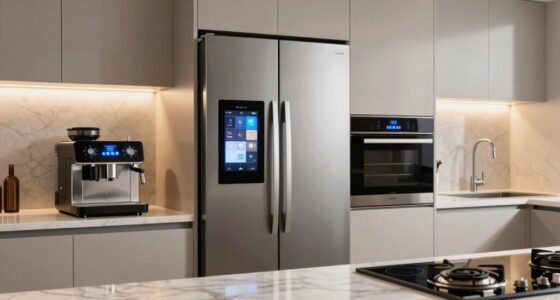
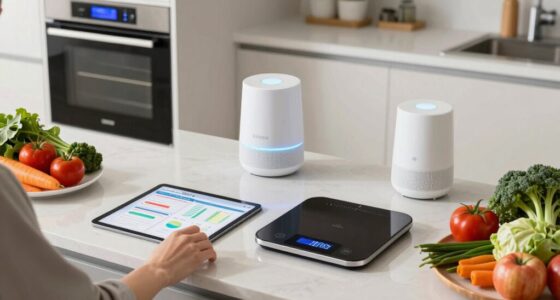
Smart appliances promise to make your life easier, but for some, they can feel more like a hassle than a help. When you first set up a device with voice recognition, it seems promising—just speak, and it responds. However, if the technology doesn’t recognize your commands accurately or takes too long to process, frustration quickly sets in. You might find yourself repeating yourself or feeling like the device is more of a hindrance than a help. On the flip side, when voice recognition works seamlessly, it transforms your daily routine, allowing you to control your appliances effortlessly. You can ask your smart oven to preheat while you’re still in the living room or set the dishwasher to run at a specific time, all with simple voice commands. This ease of use makes your interaction with the device feel natural and less burdensome.
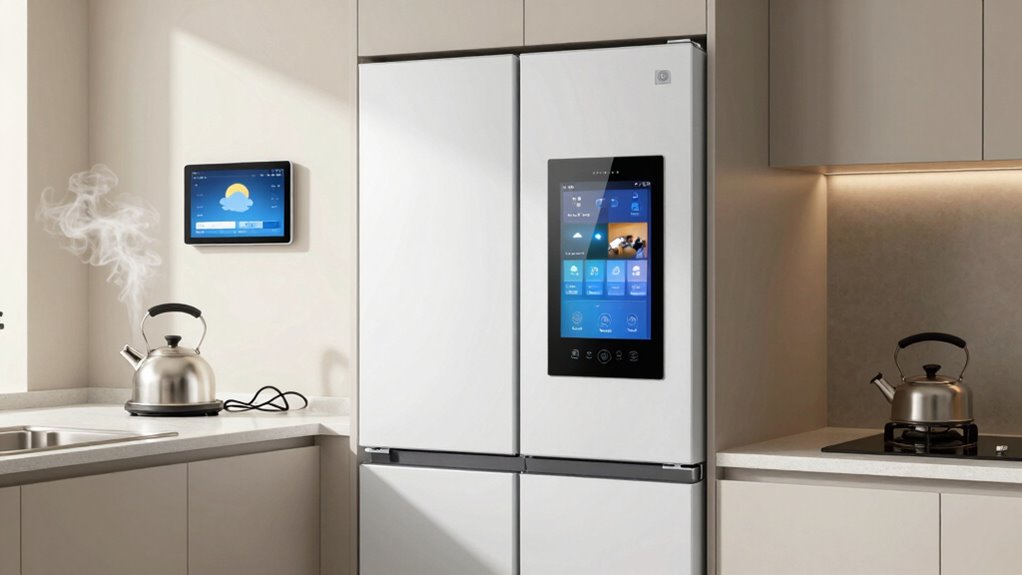
Energy efficiency plays a significant role in why some smart appliances feel like a blessing while others seem like a burden. When an appliance is genuinely energy-efficient, it saves you money on utility bills and reduces your environmental impact. These devices often come with smart features that optimize their operation—like adjusting their power usage based on your habits or turning off when not needed. If your smart fridge, for example, tracks your food inventory and suggests expiration dates, it not only helps you save money but also ensures you’re not wasting energy or food. Conversely, if a smart device consumes more energy due to constant connectivity or inefficient algorithms, it feels counterproductive. Instead of saving you time and money, it adds to your frustration and utility costs. Recognizing energy management as a critical component can help you choose appliances that genuinely improve your home efficiency. Additionally, understanding how these devices connect to other smart systems can influence their overall reliability.
The difference in how you experience these devices often hinges on their reliability and integration. When voice recognition is accurate and the device’s energy management features are effective, your smart appliances seem intuitive and beneficial. They blend into your routine seamlessly, making your home feel smarter rather than more complicated. But if a device constantly misinterprets your commands or consumes excessive energy, it quickly becomes an annoyance. In fact, system integration is key to ensuring that all your smart devices work together smoothly, enhancing their usability. Good connectivity between devices also reduces the likelihood of malfunctions and improves overall user satisfaction. In those moments, you wonder whether the hassle is worth the benefits. Ultimately, the appliances that feel easy tend to have refined voice recognition systems and energy efficiency that genuinely aligns with your needs. When they work well, they elevate your daily life. When they don’t, they remind you of their limitations—making you wish you had stuck with traditional appliances.
As an affiliate, we earn on qualifying purchases.
Frequently Asked Questions
How Do Smart Appliances Impact Daily Household Routines?
Smart appliances streamline your daily routines by automating tasks, saving time, and boosting energy efficiency. You can control them remotely, making chores more convenient. However, connectivity issues might disrupt this ease, causing frustration. When they work smoothly, they seamlessly integrate into your household, but technical glitches can turn them into nuisances. Overall, they impact your routines positively when reliable, but can be annoying if connectivity problems persist.
What Privacy Concerns Are Associated With Smart Appliance Data Collection?
Imagine your smart fridge quietly recording what you eat, raising privacy concerns. You worry about data security and privacy breaches, knowing sensitive info about your routines is stored. These appliances collect details about your habits, which could be exploited if not properly protected. You might feel uneasy, questioning who has access and how securely your data is protected. It’s crucial to stay aware and verify that your privacy settings are robust.
Can Smart Appliances Replace Traditional Household Tasks Completely?
Smart appliances can’t fully replace traditional household tasks because, despite improving household efficiency, their reliability varies. You might find that they handle chores like laundry or vacuuming well, but occasional glitches can disrupt routines. While they make life easier, you still need to supervise and occasionally step in. Fully replacing manual tasks isn’t yet practical, but they considerably enhance your household’s overall efficiency when used correctly.
How Do Different Brands Compare in User Experience?
Think of steering smart appliances like a scenic drive—some brands offer a smooth, intuitive journey, while others can feel like a bumpy ride. Your experience hinges on the user interface; a simple, well-designed interface promotes brand loyalty, making tasks feel effortless. In contrast, confusing menus and inconsistent controls can turn the experience into a frustrating detour. Choose brands that prioritize seamless interaction for a more enjoyable, hassle-free smart home.
What Are the Long-Term Costs of Maintaining Smart Appliances?
The long-term costs of maintaining smart appliances include increased energy expenses and repair costs. Over time, these devices may consume more power or require costly repairs due to complex components. You might also face expenses from software updates or replacing parts. To save money, regularly maintain your appliances, choose energy-efficient models, and consider warranty options. Staying proactive helps you manage costs and keep your smart appliances running smoothly.
energy-efficient smart appliances
As an affiliate, we earn on qualifying purchases.
As an affiliate, we earn on qualifying purchases.
Conclusion
Ultimately, the difference between smart appliances feeling easy or annoying depends on how well they fit into your daily routine. When devices learn your habits and respond seamlessly, they become true helpers. Notably, a recent survey found that 68% of users feel frustrated when their smart appliances misunderstand commands, highlighting the importance of reliability. By choosing intuitive, well-designed technology, you can enjoy the convenience without the hassle, turning your home into a truly smart sanctuary.
reliable smart home connectivity
As an affiliate, we earn on qualifying purchases.
As an affiliate, we earn on qualifying purchases.
smart home device troubleshooting
As an affiliate, we earn on qualifying purchases.
As an affiliate, we earn on qualifying purchases.
Fall Picks
fall essentials
As an affiliate, we earn on qualifying purchases.