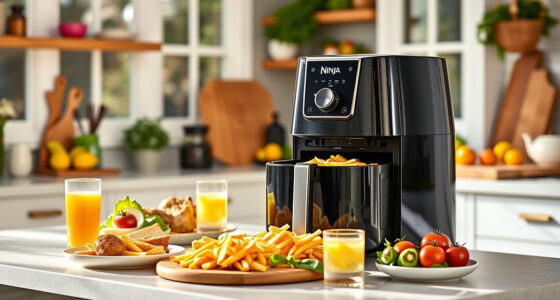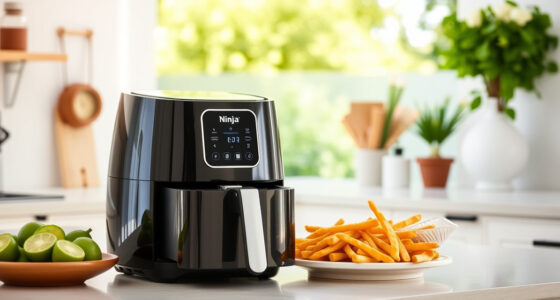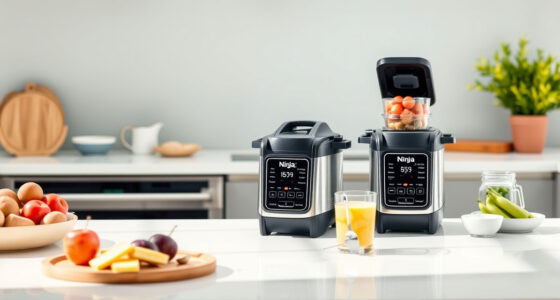
Leaving your smart slow cooker on overnight can be safe if it has essential safety features like automatic shut-off, timers, and secure lids. Make sure it’s placed on a stable, heat-resistant surface away from flammable materials. It’s also important to follow the manufacturer’s guidelines and not overfill the appliance. When used correctly and with proper safety precautions, using your slow cooker overnight is generally okay—exploring these tips further will help you stay safe.

Get kitchen gear delivered free — and shop member deals
- Fast, free delivery on millions of items
- Access to Prime Big Deal Days deals on October 6–7
- Prime Video, Amazon Music and more included
Key Takeaways
- Many modern smart slow cookers include safety features like automatic shut-off and timers suitable for overnight use.
- Always check the manufacturer’s guidelines and safety features before leaving a slow cooker unattended overnight.
- Place the appliance on a stable, heat-resistant surface away from flammable objects and ensure the lid is secure.
- Regularly inspect the device for damage, and avoid overfilling to prevent spills or overheating.
- Using energy-efficient settings and safety features helps ensure safe overnight operation.
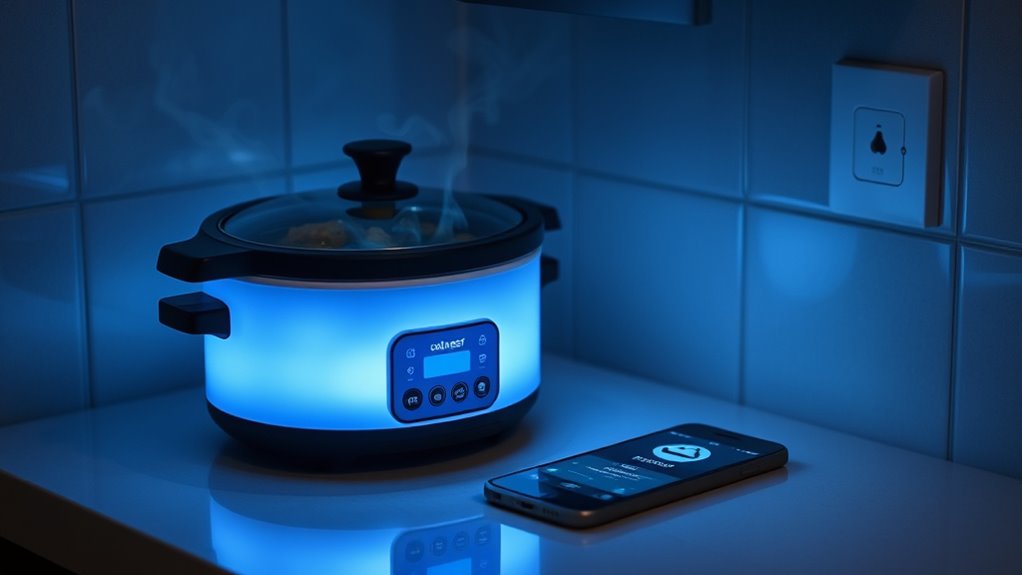
Many people wonder if it’s safe to leave a smart slow cooker on overnight, especially when preparing meals in advance or keeping food warm for extended periods. The idea of leaving an appliance unattended for hours can raise concerns about safety and energy use. When considering whether to leave your smart slow cooker on overnight, it’s essential to think about both energy consumption and appliance safety. Modern smart slow cookers are designed with safety features, but understanding their capabilities and limitations helps you make an informed decision.
Energy consumption is a key factor. Smart slow cookers are generally energy-efficient compared to traditional cooking methods, but leaving them on for hours still results in electricity use. If you’re concerned about energy costs, you might want to check the appliance’s wattage and estimate the total energy used during your intended cooking or warming period. Many models have a low-wattage “warm” setting that keeps food at a safe temperature without drawing much power. Using this setting can minimize energy consumption while still maintaining food safety.
Smart slow cookers use minimal energy, especially on warm settings, helping you save while keeping food safe.
Appliance safety is equally important. Most modern smart slow cookers come equipped with safety features like automatic shut-off, delay timers, and locking lids. These features are designed to prevent overheating, spills, and other hazards. If your device has an automatic shut-off or a timer that turns it off after a certain period, you can feel more confident leaving it unattended overnight. However, not all models have these features, so it’s crucial to read your user manual and understand your specific appliance’s safety mechanisms.
Even with safety features, it’s wise to follow best practices. Make sure your slow cooker is placed on a stable, heat-resistant surface, away from flammable objects. Check that the lid is secure, and avoid overfilling the pot to prevent spills or overheating. If your cooker lacks an automatic shut-off, you might consider setting a timer or switching it to a warm setting before you go to bed. Additionally, regular maintenance and inspection of your appliance can help prevent electrical issues or malfunctions. Always ensure that the appliance is in good working condition, with no frayed cords or other damage.
smart slow cooker with automatic shut-off
As an affiliate, we earn on qualifying purchases.
As an affiliate, we earn on qualifying purchases.
Frequently Asked Questions
Can Smart Slow Cookers Be Hacked or Accessed Remotely?
Yes, smart slow cookers can be hacked or accessed remotely if they have vulnerabilities. To protect yourself, you should use strong, unique passwords and keep your device’s firmware updated. Implement hacking prevention techniques like enabling two-factor authentication if available, and avoid connecting your slow cooker to unsecured Wi-Fi networks. Staying vigilant helps prevent remote access vulnerabilities and keeps your device and home safe.
Do Different Brands of Smart Slow Cookers Have Varying Safety Features?
Different brands of smart slow cookers do have varying safety features, so you should compare their brand safety options before choosing one. Some brands include automatic shut-off, temperature controls, and remote monitoring, while others may lack these features. By selecting a brand with extensive safety features, you ensure better protection while using your smart slow cooker. Always check the product specifications and reviews to confirm the safety measures offered.
How Does the Smart Technology Affect the Longevity of the Device?
Think of smart technology as your modern-day crystal ball—enhancing, but not necessarily prolonging your device’s longevity. It can lead to faster wear if the device constantly updates or runs complex features, but proper use and regular maintenance help. You’re in control; by following manufacturer guidelines, you ensure your smart slow cooker stays reliable longer, keeping your kitchen smarter and your recipes perfect without sacrificing the device’s lifespan.
Are There Specific Foods That Are Unsafe to Cook Overnight?
Certain foods are unsafe to cook overnight due to food safety concerns and prolonged cooking duration. You should avoid leaving raw meats, seafood, or dairy-based dishes in the slow cooker for extended periods, as bacteria can grow rapidly. Additionally, foods with high moisture content or those prone to spoilage, like cooked rice or potatoes, can become unsafe if left too long. Always follow recommended cooking times and food safety guidelines to prevent health risks.
What Are the Signs of a Malfunctioning Smart Slow Cooker?
Think of your smart slow cooker like a trusted friend—if it suddenly emits unusual smells or sparks during use, it’s probably malfunctioning. Voltage fluctuations can cause it to behave erratically, and strange odors often signal electrical issues or burnt food. If you notice these signs, unplug it immediately. Regularly inspect for frayed cords or scorch marks, and don’t ignore warning signs—they’re your first step in preventing potential hazards.
slow cooker timer with safety features
As an affiliate, we earn on qualifying purchases.
As an affiliate, we earn on qualifying purchases.
Conclusion
In short, leaving your smart slow cooker on overnight can be safe if you follow the manufacturer’s guidelines and guarantee it’s in good working condition. Think of it like setting a timer for your coffee—once it’s programmed, you don’t need to worry about it. Just make sure the cooker is clean, placed on a stable surface, and connected to a reliable outlet. With these precautions, you can enjoy a warm, ready meal without concern.
heat-resistant slow cooker placement mat
As an affiliate, we earn on qualifying purchases.
As an affiliate, we earn on qualifying purchases.
energy-efficient slow cooker warm setting
As an affiliate, we earn on qualifying purchases.
As an affiliate, we earn on qualifying purchases.
Fall Picks
fall essentials
As an affiliate, we earn on qualifying purchases.