Using an app to remotely preheat your oven offers great convenience, allowing you to start heating before you arrive home and saving time. However, it also raises safety concerns like potential overheating or forgetting to turn it off. To enjoy the benefits safely, make sure your device has proper safety features, keeps the app updated, and follows all recommended precautions. If you want to know how to balance ease of use with safety, keep exploring the details.

Get kitchen gear delivered free with Prime
- Fast, free delivery on millions of items
- Prime Video, Amazon Music and more included
- Member-only deals all year
Key Takeaways
- Remote preheating offers significant convenience by allowing users to start oven heating remotely before entering home.
- When used responsibly and verified for safety, remote preheating can be a safe feature with proper app updates and safety checks.
- Safety risks include potential electrical faults, overheating, or forgetting to turn off the oven, especially if safety features are not properly engaged.
- Proper user precautions, such as verifying safety status and following device guidelines, minimize hazards associated with remote preheating.
- Integrating preheating with smart home systems can enhance safety and efficiency, balancing convenience with responsible usage.
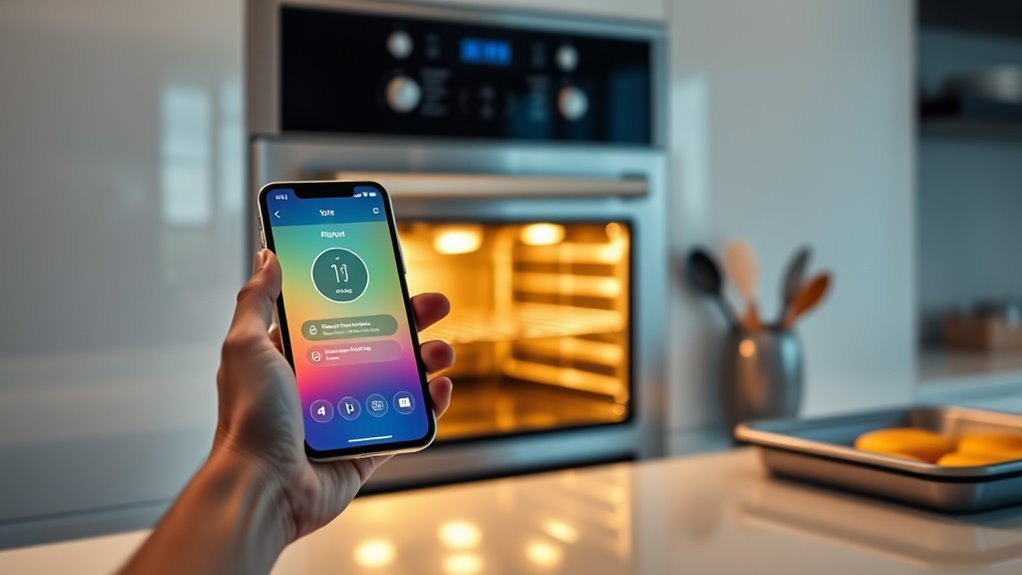
Imagine arriving home to a warm oven ready for your cooking or baking needs, all thanks to the convenience of remote preheating via an app. With just a few taps on your smartphone, you can start heating your oven before you even step inside, saving you time and making your routine more efficient. This feature is especially useful when you’re running late or want to optimize your schedule. But as you enjoy this innovation, it’s important to consider the impact on energy efficiency and user safety. Remote preheating allows you to control your oven more precisely, ensuring it only heats when necessary. This means you can avoid wasting energy by accidentally leaving the oven on or preheating it unnecessarily. Properly managing preheating through your app can reduce energy consumption, lowering your utility bills and decreasing your carbon footprint. It also helps you avoid the risks associated with traditional preheating methods, such as forgetting to turn off the oven or accidentally setting it too high. Since many smart ovens are equipped with safety features, they can alert you if something’s amiss or automatically shut down if unsafe conditions are detected. This enhances user safety by minimizing risks like overheating or electrical faults. Additionally, the ability to preheat remotely means you’re less likely to handle hot ovens unnecessarily, reducing the chance of burns or other accidents. You can also program preheating sessions in advance, ensuring the oven reaches the right temperature without you having to stand nearby and monitor it. This feature is especially beneficial for those with mobility challenges or busy schedules. Furthermore, integrating smart home automation can enable your oven to work seamlessly with other devices, optimizing energy use across your home. However, it’s vital to use these apps responsibly. Always verify that your oven is in a safe state before starting a preheat cycle remotely, and avoid doing so if you’re not familiar with the device’s safety features. Keep your app updated to benefit from the latest security enhancements that protect your personal data and prevent unauthorized access. While remote preheating offers significant advantages in terms of convenience and energy savings, it also requires responsible usage to maintain safety standards. With the right precautions, you can enjoy all the benefits without compromising your safety or the environment. In the end, this technology aims to make your life easier and more efficient, but staying mindful of safety protocols ensures that you reap these benefits without unnecessary risks. Properly managing your smart oven’s remote preheating capabilities helps you enjoy a safer, more energy-efficient cooking experience tailored to your busy lifestyle.
Frequently Asked Questions
Can Remote Preheating Cause Oven Malfunctions?
Remote preheating can cause oven malfunctions if you don’t use it correctly, potentially impacting oven safety and appliance longevity. Overusing remote features or neglecting manufacturer guidelines might lead to electrical issues or wear and tear. Always follow safety instructions and regularly maintain your oven to prevent malfunctions. By doing so, you guarantee your oven operates smoothly, stays safe, and lasts longer, even with remote preheating features.
Is App Control Compatible With All Oven Models?
You might think all ovens are ready for app control, but that’s not true—compatibility varies wildly. Not every oven supports app integration, and some models need specific smart features. Before you get excited about remote preheating, check if your oven’s compatible. Otherwise, you could be stuck with a fancy app that doesn’t work, making you wish you’d never trusted technology to handle your kitchen’s heart.
How Secure Is the App Connection for Preheating?
The app connection for preheating is generally secure, but it depends on the manufacturer’s security measures. It uses wireless encryption to protect your data and app authentication to guarantee only authorized users can control the oven. Keep your app and device software updated, and use strong, unique passwords to enhance security. While these measures help, always stay cautious about potential vulnerabilities in connected appliances.
What Should I Do if the App Fails to Preheat the Oven?
When your app falters like a stubborn gate, don’t let frustration simmer. Instead, switch to manual preheating—turn the knob and set the oven to your desired temperature. Then, troubleshoot the app by checking your Wi-Fi connection and updating the software. Think of it as finding a backup key—ensuring your cooking plans aren’t derailed. With patience, you’ll get back to baking with confidence and ease.
Are There Any Environmental Impacts of Remote Preheating?
Remote preheating can increase energy consumption as your oven uses power even before you start cooking. This extra energy use may lead to higher utility bills and contribute to environmental impacts like increased carbon emissions. Additionally, frequent remote preheating might affect your appliance’s lifespan, as it causes more wear and tear. To minimize these effects, use preheating sparingly and only when necessary, balancing convenience with environmental responsibility.
Conclusion
While remote preheating your oven with an app feels like having a personal kitchen genie, it’s essential to remember that safety is your guiding star. Just as a ship needs a steady hand at the wheel, you must stay alert and cautious. Technology offers convenience, but don’t let it lull you into complacency—treat your oven like a wild stallion that needs careful handling. Balance innovation with vigilance, and your kitchen will remain a safe haven.
Fall Picks
fall essentials
As an affiliate, we earn on qualifying purchases.