TL;DR

Get kitchen gear delivered free with Prime
- Fast, free delivery on millions of items
- Prime Video, Amazon Music and more included
- Member-only deals all year
A Good Housekeeping report presents 11 ideas for making use of the space above kitchen cabinets, including storing infrequently used items and displaying artwork or plants. The suggestions are design ideas, not a tested ranking; whether they work depends on the kitchen layout, access and conditions above the cabinets.
Good Housekeeping has outlined 11 ways to use the space above kitchen cabinets, a hard-to-reach area that can be turned into extra storage or a display zone. The suggestions range from placing baskets and backup pantry goods there to arranging artwork, cookbooks, plants and decorative objects.
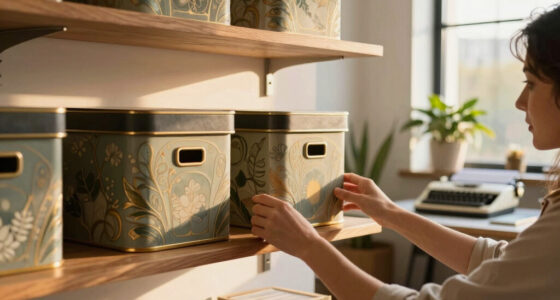
The report recommends using baskets for items that are not needed daily, such as backup ingredients, small appliances or seasonal dish towels. It also suggests storing extra food in jars or containers, including flour, sugar and grains, and using built-in dividers to make separate cubbies for baskets or unopened pantry supplies. The emphasis is on keeping frequently used items within easier reach.
Other ideas focus on appearance: lean artwork against the wall, arrange cookbooks or display vases, sculptures and wooden cutting boards. The report notes that cookbooks placed high are better suited to display than regular use. It also describes adding houseplants in a sunny kitchen and layering smaller decorative pieces, such as faux plants, vintage books and wicker bins.
The final suggestions use natural textures—including wicker, rattan and pampas grass—to add warmth, while a statement light fixture can draw attention upward. The report does not present the ideas as a ranked list or provide measurements, costs or product testing for each approach.
Storage and Display Without Counter Clutter
For readers short on kitchen storage, the area above cabinets can offer room for backup supplies and occasional-use items without taking up counter space. Baskets and containers can also make stored objects look more orderly, while artwork and decorative pieces give the kitchen a place for personal touches when counters need to remain clear for cooking.
The trade-off is accessibility: items stored high may be inconvenient to retrieve, and the report specifically treats cookbooks there as display rather than practical everyday storage. Choosing what belongs overhead is therefore a matter of balancing available space, ease of access and appearance, rather than assuming every suggestion suits every kitchen.
As an affiliate, we earn on qualifying purchases.
Eleven Approaches for Cabinet Tops
The Good Housekeeping article groups its ideas across two main uses: concealed or organized storage and visible decoration. Storage options include baskets, food containers and custom cubbies; display options include artwork, books, plants, vases and small decorative objects. Natural materials can contribute to either purpose by adding texture.
The report includes examples credited to designers, photographers and home bloggers, including a suggestion from designer Jenn Feldman to add picture lighting above displayed cookbooks. These examples illustrate possible arrangements; they do not establish that a particular layout will suit all cabinet heights, lighting conditions or household needs.
As an affiliate, we earn on qualifying purchases.
Fit Depends on the Kitchen
The source does not specify the dimensions or weight limits of the spaces shown, or whether each arrangement is suitable for a reader’s cabinets. It also does not assess how dust, heat, humidity or limited light may affect stored goods, artwork or plants in a particular kitchen. The report offers design suggestions rather than safety or installation guidance.
Readers should judge access before putting heavy or frequently used items overhead. The material supplied also gives no publication date, cost estimates or comparative testing, so those details cannot be confirmed from the source.
decorative kitchen artwork display
As an affiliate, we earn on qualifying purchases.
As an affiliate, we earn on qualifying purchases.
Choose Items for Easy Access
The next step for anyone trying these ideas is to identify what the space can realistically hold and decide whether the priority is storage, display or a mix of both. Infrequently used, lightweight items are better candidates than objects needed every day. Baskets or dividers can help group stored items, while a small, deliberate selection of decor can avoid making the area look crowded.
Before placing anything overhead, check that it can be reached and handled safely, and consider the conditions in the kitchen. The Good Housekeeping report provides no follow-up testing or recommended products; its list leaves the final choice to the homeowner’s layout and preferences.
kitchen houseplants for sunny spots
As an affiliate, we earn on qualifying purchases.
As an affiliate, we earn on qualifying purchases.
Key Questions
What are the main ways to use the space above kitchen cabinets?
Good Housekeeping suggests storing backup pantry items, using baskets or cubbies, and displaying artwork, cookbooks, plants, vases, sculptures and other decor.
What should be stored above cabinets?
The report points to infrequently used items, such as backup ingredients, unopened pantry goods, small appliances or seasonal dish towels. It does not recommend keeping everyday necessities in a hard-to-reach spot.
Are cookbooks practical to keep above kitchen cabinets?
The article describes cookbooks as more suitable for display because retrieving them regularly may be difficult. It also mentions picture lighting as an optional way to highlight them.
Does the report identify one best idea?
No. It offers 11 ideas without ranking them or naming a single best option. Which approach fits depends on the kitchen’s space, access and the homeowner’s priorities.
Source: rss
Fall Picks
fall essentials
As an affiliate, we earn on qualifying purchases.