
TL;DR

Get kitchen gear delivered free with Prime
- Fast, free delivery on millions of items
- Prime Video, Amazon Music and more included
- Member-only deals all year
A Matter Alpha writer says two years of using Matter-compatible devices at home helped address five everyday problems: detecting leaks, switching off lights, automating ceiling fans, monitoring humidity and spotting room-to-room temperature differences. The examples come from one household, and the report says costs, device choice and battery upkeep affect whether the setups are worthwhile.
A Matter Alpha writer says about two years of adding Matter devices to a family home helped address five recurring household problems, including unnoticed water leaks, lights left on and uneven temperatures between rooms. The account describes one household’s experience rather than a controlled test, but it offers concrete examples of how sensors and automations can be used in a compatible smart-home setup.
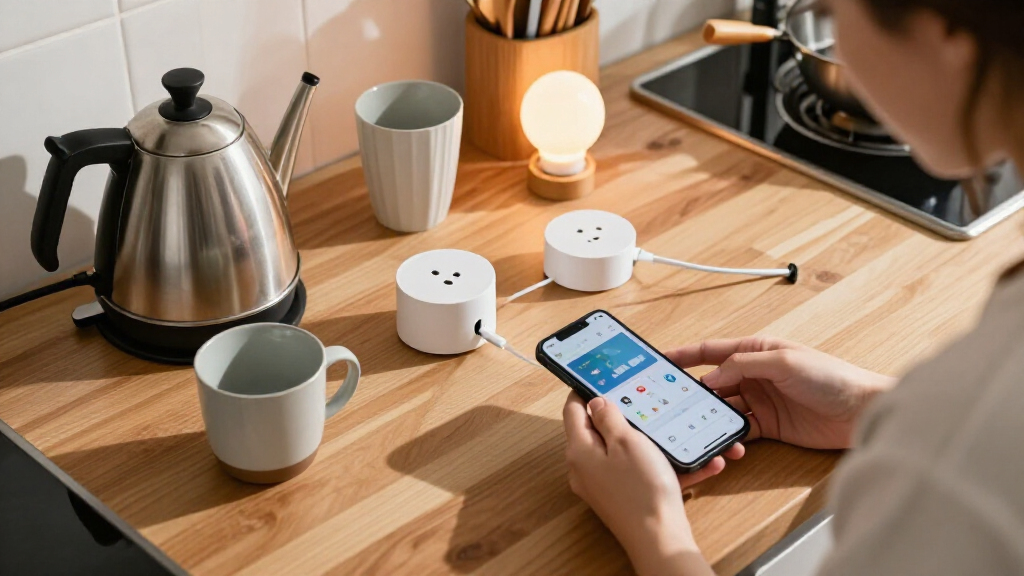
For leak detection, the writer uses IKEA’s KLIPPBOK water leak sensor, which sounds an alarm when water touches it. The report says the sensor can work on its own, while linking it to a smart-home platform through Matter can send a phone notification when the homeowner is away. That may give the household more time to respond than discovering a leak after returning home.
For lighting, the writer set up a Homey Pro automation to switch off selected lights together, including when the family is away or in bed. A presence sensor also turns off the pantry light when the room is empty. The writer says presence sensors similarly automate ceiling fans, turning them on or off based on whether someone is in a room.
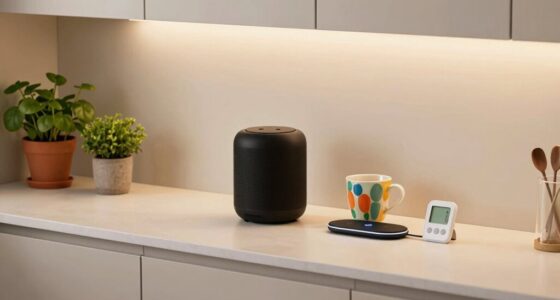
The other two uses are environmental monitoring. Humidity sensors, including the SwitchBot Meter Plus and IKEA ALPSTUGA, help the household track dry conditions and connect readings with a compatible humidifier. Temperature sensors provide readings in individual rooms that the hallway thermostat cannot supply. The report says some devices and platforms can retain historical readings, but does not provide measured savings or a quantified change in comfort.
Where Home Automations Helped
The examples show Matter being used not only to connect devices, but to make household information actionable. A leak alert can reach someone who is away; a presence sensor can respond to an empty room; and separate temperature readings can reveal that a central thermostat does not describe conditions everywhere in the home. These are practical benefits when they work reliably, though the source does not establish how often the automations prevented damage or reduced energy use.
The approach also has costs and upkeep. Sensors may be inexpensive individually, the writer notes, but buying several and replacing their batteries adds expense. Households also need compatible devices and a smart-home platform capable of carrying out the desired routines. The report presents the benefits as dependent on a home’s needs and the owner’s tolerance for setup and maintenance.
Matter-compatible water leak sensor
As an affiliate, we earn on qualifying purchases.
As an affiliate, we earn on qualifying purchases.
A Two-Year Matter Setup
Matter is a smart-home connectivity standard intended to let compatible devices work across supported platforms. In the report, the writer uses Homey Pro to connect and automate devices, while some sensors can provide basic functions without that connection. For example, the KLIPPBOK’s local alarm sounds when it detects water; the network connection is what makes remote phone alerts possible in the writer’s setup.
The account is based on the author’s own home, described as a family of four, and does not compare Matter devices with other smart-home standards or products. It also includes a disclosure that the source page may contain affiliate links. Its examples should be read as reported personal experience, not independent testing of every named device or a guarantee that the same routines will work identically in other homes.
““I’ve spent much of the past two years filling my home with Matter devices.””
— Matter Alpha writer
smart home lighting automation kit
As an affiliate, we earn on qualifying purchases.
As an affiliate, we earn on qualifying purchases.
Costs and Reliability Remain Unmeasured
The report does not give a full cost for the devices, batteries, platform or setup, nor does it quantify how much money or time the automations saved. It also does not report long-term reliability, false alerts, connectivity failures or how frequently batteries need replacing. The writer’s experience does not establish that every Matter-compatible device supports the same features or works with every platform.
It is also unclear how much the humidity and temperature readings changed household decisions or comfort. The article describes monitoring and automation, but provides no before-and-after data, independent verification or comparison with non-Matter alternatives.
As an affiliate, we earn on qualifying purchases.
Choosing Devices for Each Home
The source describes no scheduled product launch, policy change or further testing. For readers considering similar setups, the next step is to identify a specific recurring problem, check that the chosen sensor, device and smart-home platform support the intended Matter functions, and account for batteries and ongoing maintenance. The report’s own conclusion is that the purchase makes sense only if the practical benefit is worth those costs and effort.
As an affiliate, we earn on qualifying purchases.
Key Questions
What five household problems did the Matter devices address?
The writer describes leak detection, lights left on, fans that were not switched on when needed, changes in humidity and uneven temperatures between rooms. These are examples from one household, not a guarantee of results for every user.
Does the leak sensor need Matter to sound an alarm?
According to the report, the IKEA KLIPPBOK sounds a local alarm when water touches it without requiring Matter. The writer uses Matter integration to receive a phone notification while away from home.
Can Matter devices automatically control lights and fans?
They can be used in automations when the devices and smart-home platform support the required functions. In the reported setup, a presence sensor controls a pantry light and ceiling fans, while a Homey Pro routine switches off selected lights.
Does the report show that Matter devices save money?
No. It describes practical uses but provides no measured energy savings, total cost or return-on-investment figures. The writer says sensor purchases and battery replacements can add up.
Source: rss
Halloween Picks
halloween
As an affiliate, we earn on qualifying purchases.